Clean banner edges for busy print and sign shops
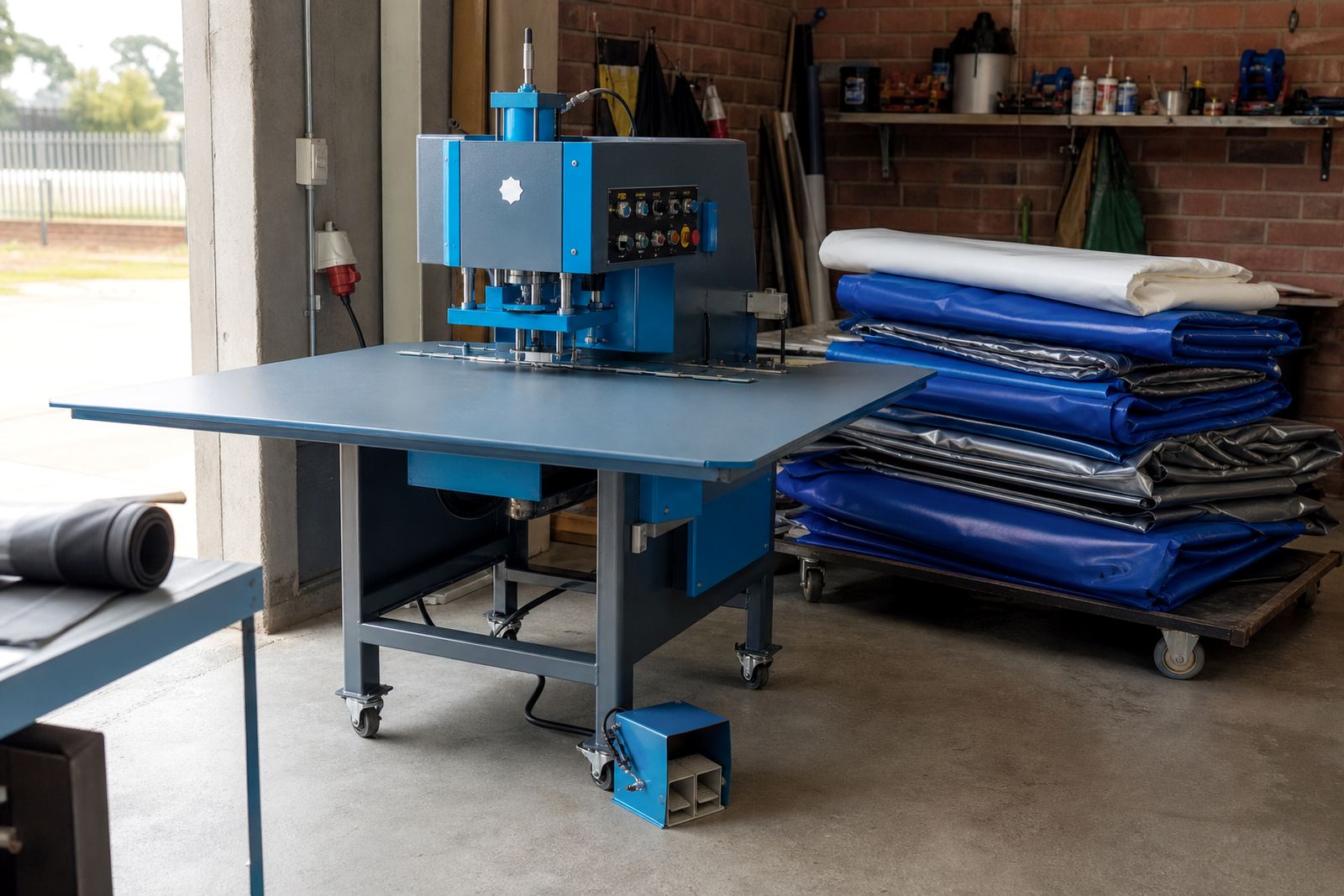
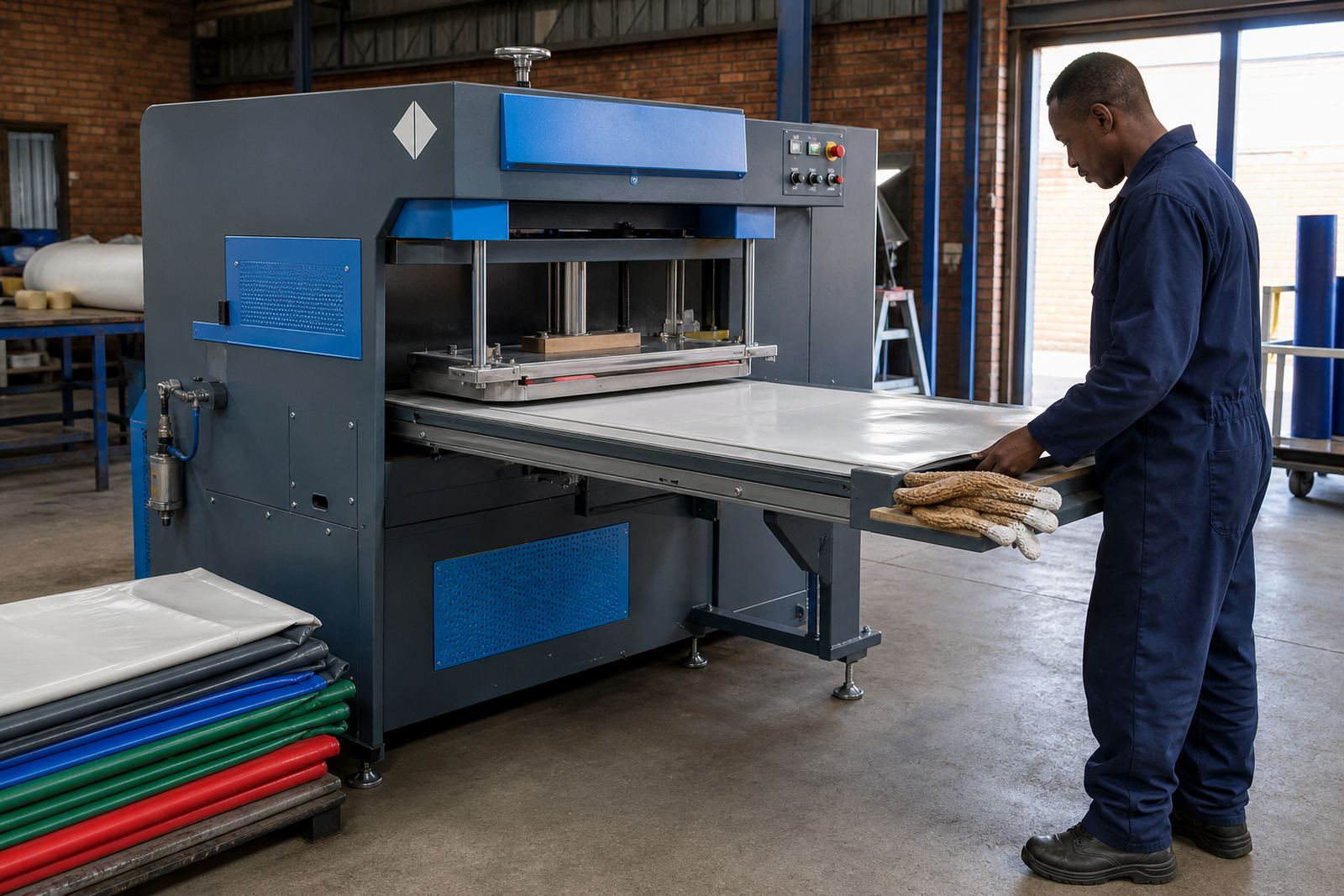
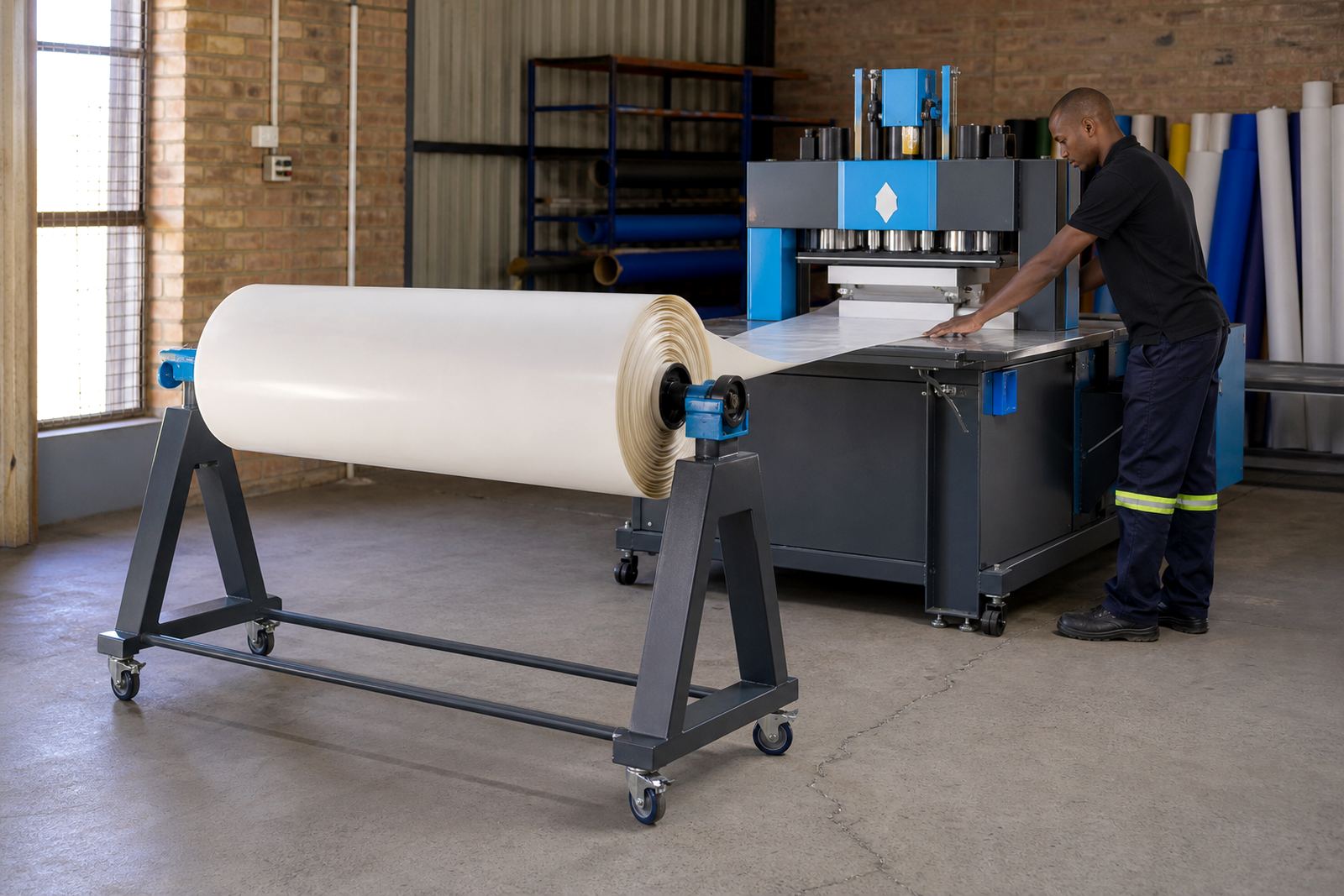
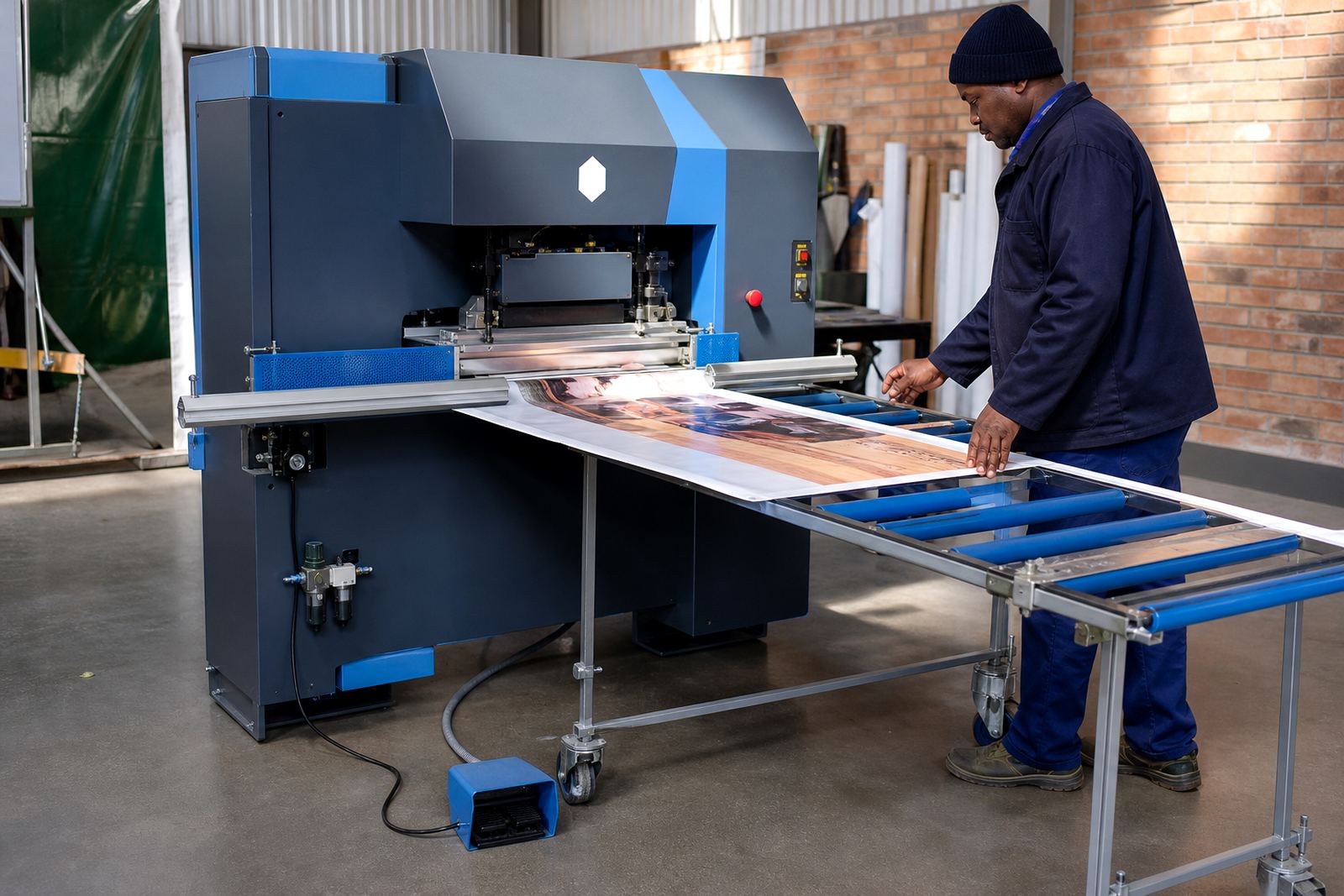
This machine is used where a banner needs a neat, repeatable edge before it is fitted to a frame, wall or tension system. Depending on the build, it can be configured for high-frequency welding or hot-air and hot-wedge welding, both widely used on PVC-coated fabrics, coated mesh and similar sign materials. The aim is consistent seam quality on straight runs, corners and returns, with enough control to handle single hems, double hems and reinforcement strips.
For banner work, the edge finish matters because it affects how the job hangs, how eyelets sit and how the material handles wind load at a site in Johannesburg, Durban, Cape Town or along the coast where humidity can affect storage and finishing. A proper edge weld also helps when the banner must take repeated tensioning during event installs or retail rollouts.
- Suitable for PVC banner, tarpaulin and display skin edge finishing
- Works with hems, reinforcement bands and keder pockets
- Supports clean, repeatable seams on long production runs
- Common on jobs for retail signage, promotions and event graphics
Welding methods and seam styles used on banner jobs
High-frequency welding is used where a controlled dielectric weld is needed on compatible PVC-coated materials. Hot-air and hot-wedge systems are used for edge seams, hems and joining work on wider panels, especially where the operator needs steady heat along the weld path. The right method depends on the fabric coating, thickness and the seam type required for the job.
For banner edging, the machine may be set up for a single fold hem, double fold hem or a folded pocket for keder rope. Eyelet areas can be reinforced before punching, and corner patches can be added to spread the load where the banner is fixed with ropes or hooks. In practice, a sign shop may need different setup for a small shopfront banner compared with a large outdoor display skin, and that is where tooling and guidance matter.
- Single and double hems for banner perimeter finishing
- Keder pocket formation for framed display systems
- Reinforcement patches for eyelet positions and stress points
- Edge joining for panels, overlaps and repair sections
Sizes, working widths and build options
Banner edge welding equipment is supplied in different working widths to suit compact shop floors and larger production areas. Smaller benches are useful for short runs, sample work and narrow banner sections, while wider tables or longer weld beds suit full-size print panels, exhibition skins and stage graphics. The choice of size should match the longest piece your team handles on a normal day, with a little extra allowance for trimming and alignment.
Options can include adjustable guides, temperature control, foot or hand operation, pressure rollers, timing control and specialist tooling for hems or keder. On hot-air and hot-wedge units, the output range and air delivery need to suit the material weight and seam speed. On high-frequency units, electrode shape and pressure profile are important for edge consistency. A properly matched machine saves time on alignment and helps keep the seam straight, even if the operator is working under pressure on a rushed event order.
- Compact, mid-size and long-bed configurations available
- Guides for straight hems and repeatable edge widths
- Adjustable welding pressure and speed control
- Tooling choices for banner hems, pockets and finishing bands
Where this machine fits in local production
This type of welder suits sign shops, banner makers, exhibition contractors, event crews and display fabricators handling frequent edge-finishing work. In Germiston and the wider Ekurhuleni area, many workshops need equipment that can keep pace with daily cut and weld jobs, while still being serviceable for long shifts and varied material thickness. It also suits mobile teams that finish or repair banner sets on site where access is tight and deadlines are fixed.
Across Durban and other coastal centres, stored material can pick up moisture if it is kept in the wrong place, so edge work is often best done on clean, flat stock that has been acclimatised in the workshop. In Pretoria, Bloemfontein and Johannesburg, the same machine can be used for shopfront signs, retail hanging banners and framed display skins, provided the setup is matched to the fabric and seam type. The machine is also useful where a client wants a cleaner edge than stitching would give on coated PVC.
- Retail banners and in-store promotional graphics
- Event signage, stage skins and exhibition panels
- Outdoor advertising banners and framed displays
- Tarpaulin edge finishing and repair work
Installation, power and operator safety
Installation depends on the machine type and the layout of the workshop. High-frequency units need correct positioning, earthing and stable access around the welding area, while hot-air and hot-wedge systems need the right electrical supply and clearance for safe use. A sound setup should leave space for material feed, trimming, cooling and stacking finished work without dragging the welded edge across a floor or rough bench top.
Operator safety is part of the daily routine. Guards, heat awareness, clean cable routing and correct tooling matter on all welding equipment. Staff should be trained to keep hands clear of the weld zone, handle hot parts properly and inspect the material path before starting a run. For busy production floors, practical training helps reduce missed seams, burned edges and unnecessary wear on the machine.
- Site installation and commissioning available
- Operator training for setup, seam control and safe handling
- Support for workshop layout and material flow
- Useful for both fixed production spaces and field service teams
Servicing, wear parts and everyday care
These machines need regular care to stay accurate. Routine cleaning removes adhesive residue, dust and trim offcuts from guides and rollers, while planned servicing helps spot wear before it turns into uneven seams or poor pressure. On hot-air and hot-wedge equipment, nozzles, heating elements, rollers and drive parts must be checked. On high-frequency units, electrodes, tooling alignment and contact surfaces need attention so the weld remains even across the full edge. A bit of preventive work saves a lot of downtime later, thats the part many workshops feel most when a big job is due.
Our service team handles preventive servicing, fault finding, tooling alignment, electrode refurbishment, roller replacement and site callouts. We also supply parts and can set up service plans for workshops that run regular banner and tarpaulin work. If a seam is running hot on one side, pulling off line, or leaving weak sections at the corners, the issue is often mechanical, not just material related.
- Preventive servicing and fault finding
- Tooling alignment and seam testing
- Electrode refurbishment and roller replacement
- Parts supply and planned service support
What to confirm before ordering your banner edge welder
To match the right unit to your workshop, confirm the material type, the widest banner you normally handle and the seam styles you need most often. It also helps to know whether your work calls for straight hems only, or if you need keder pockets, eyelet reinforcement and repair capability on the same machine. The more detail you give at the start, the easier it is to match the tooling and working width.
Please have these details ready when you get in touch through the enquiry form on our contact page:
- Material type and coating, such as PVC banner, tarpaulin or coated display fabric
- Typical finished width and longest panel length
- Required seam styles, including hems, pockets, joins and reinforcement
- Whether you need high-frequency or hot-air/hot-wedge welding
- Power supply details and workshop space available for installation
- Any current machine issues, replacement parts or servicing needs
PVCWelder supplies and services banner edge welding equipment from Germiston, with support for clients in Johannesburg, Pretoria, Durban, Cape Town, Bloemfontein and other areas nationwide. Our team includes Mandla Mnisi, Alicia van der Merwe, Sibusiso Abrahams, Johan Mkhabela, Thandi Mokoka and Lebo Motsepe, each handling a practical part of machine supply, fitting, training and support for sign and fabric workshops.
Key facts
| Product type | Banner edge welder for PVC-coated fabrics |
|---|---|
| Welding methods | High-frequency, hot-air or hot-wedge options |
| Typical seam work | Single hem, double hem, keder pocket, reinforcement patch |
| Material use | PVC banner, tarpaulin, coated display skins and related sign fabric |
| Installation needs | Workshop fit-out, power connection, operator setup and test welding |
| Support available | Commissioning, training, servicing, parts and site callouts |