Seam work that holds up on site
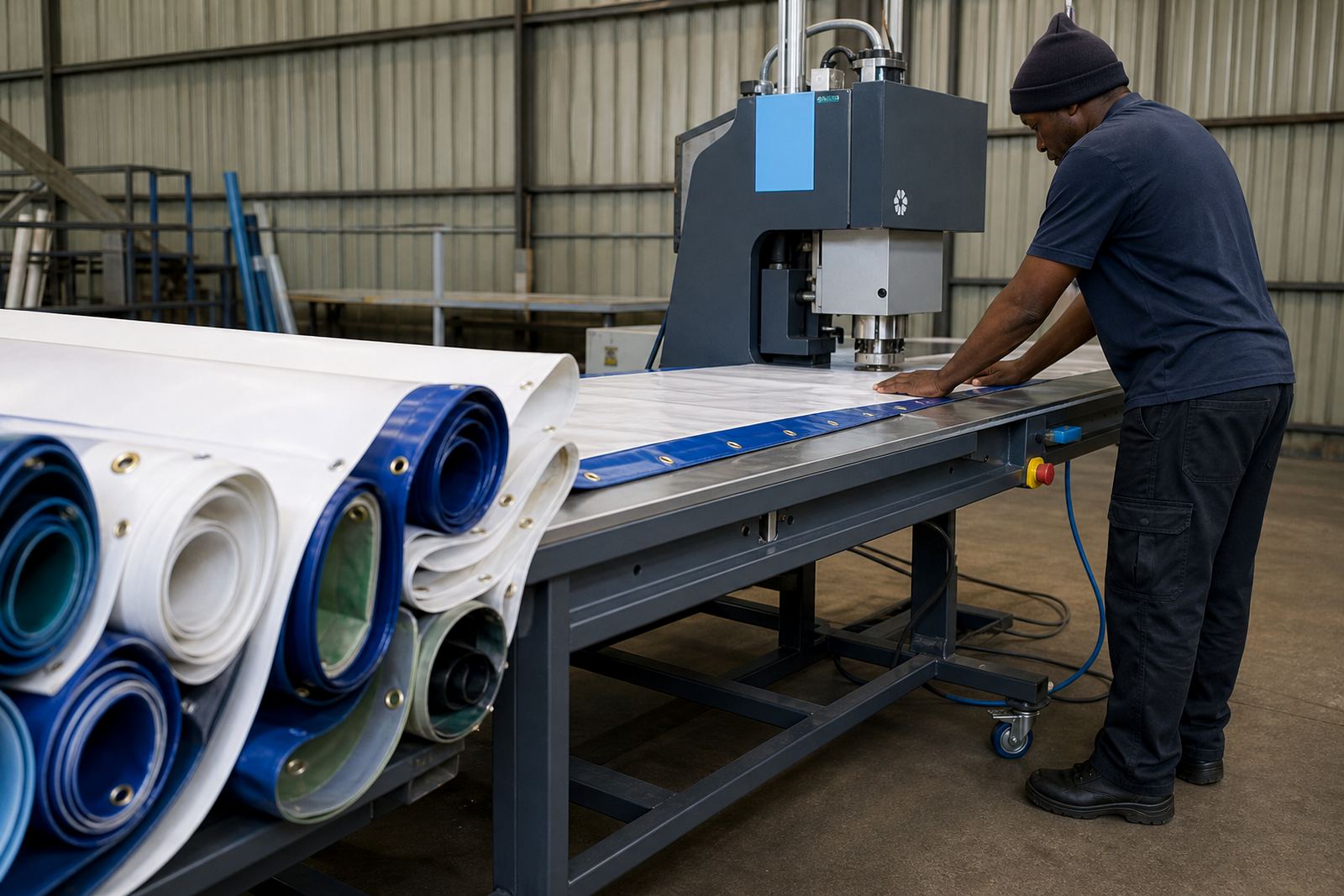
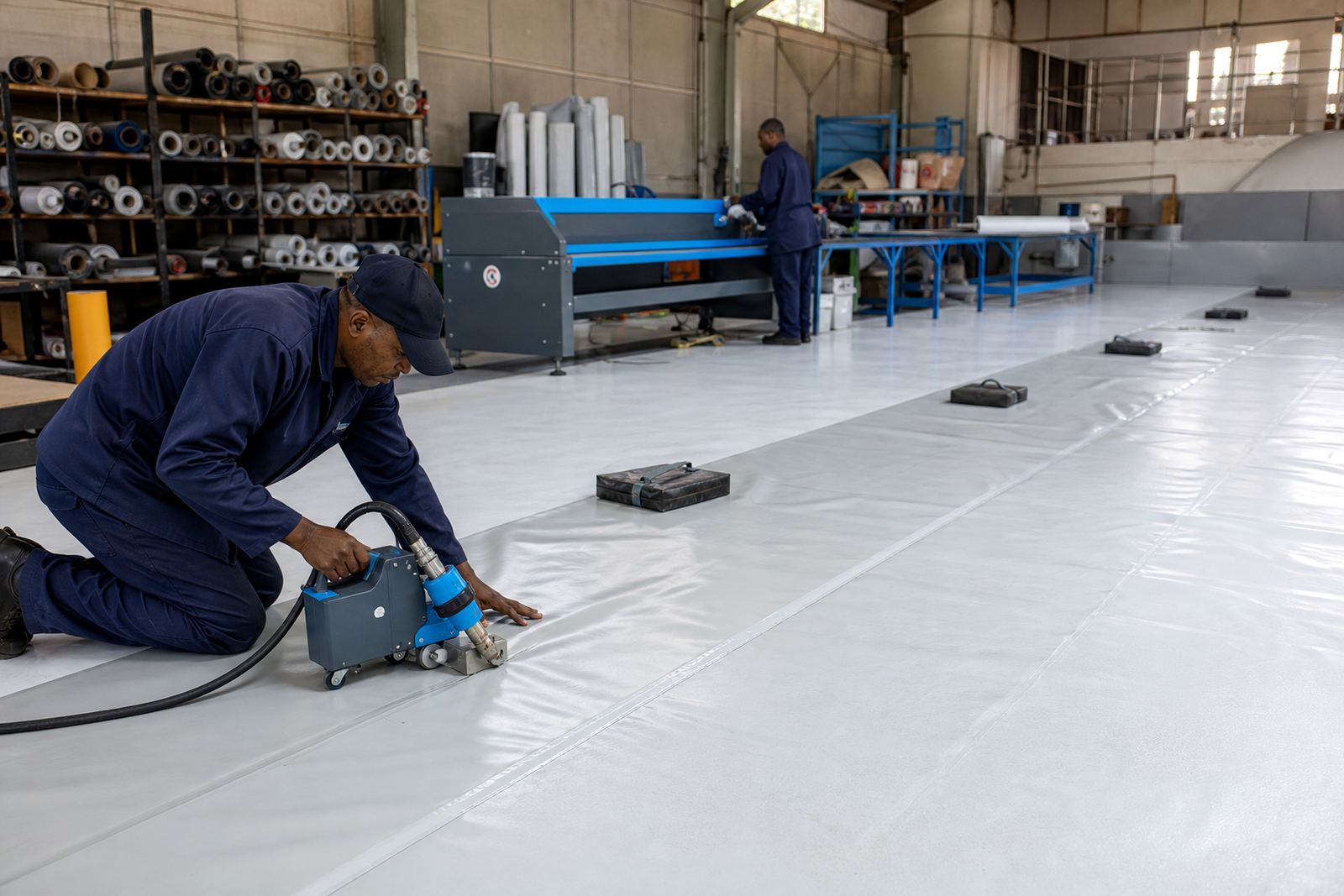
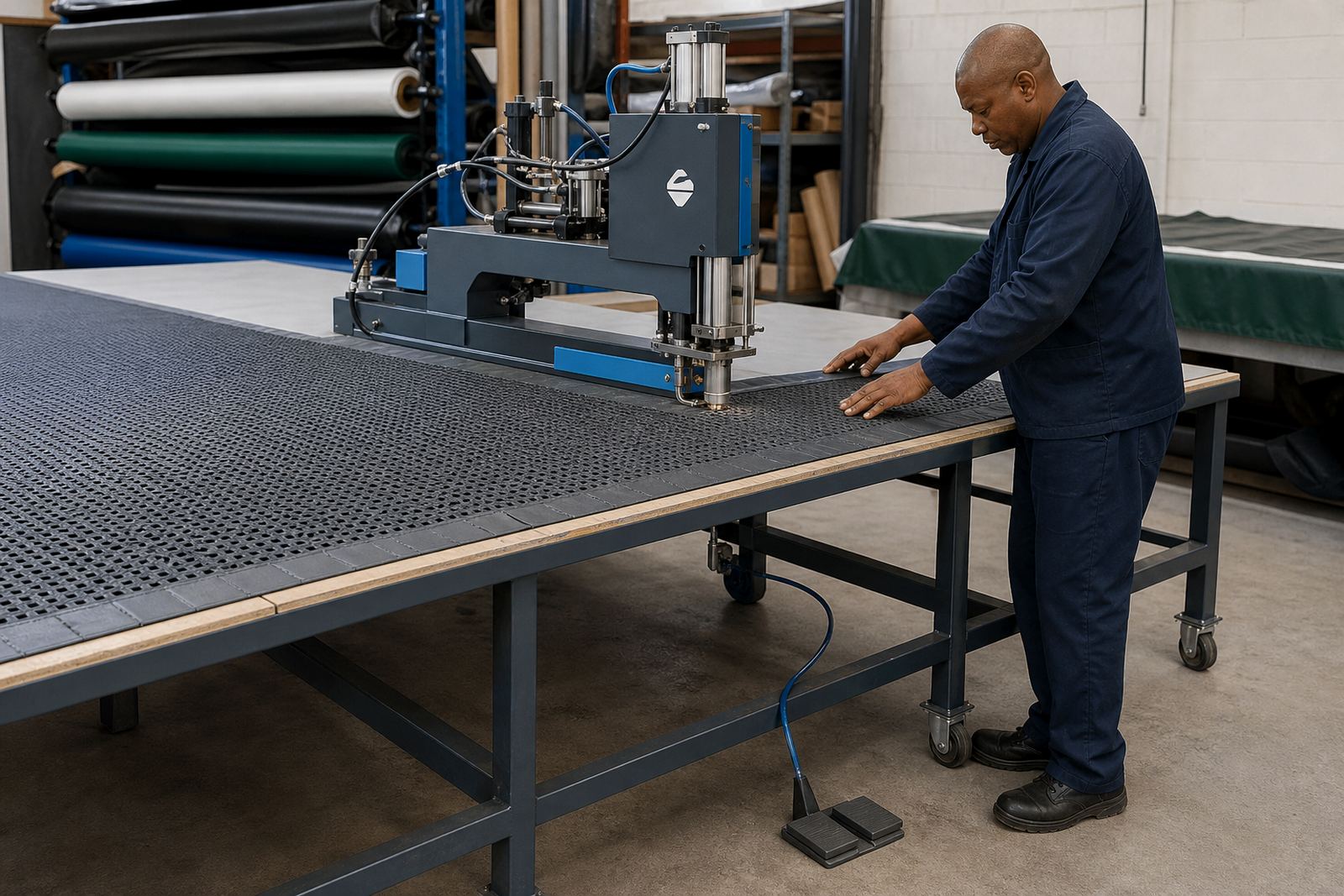
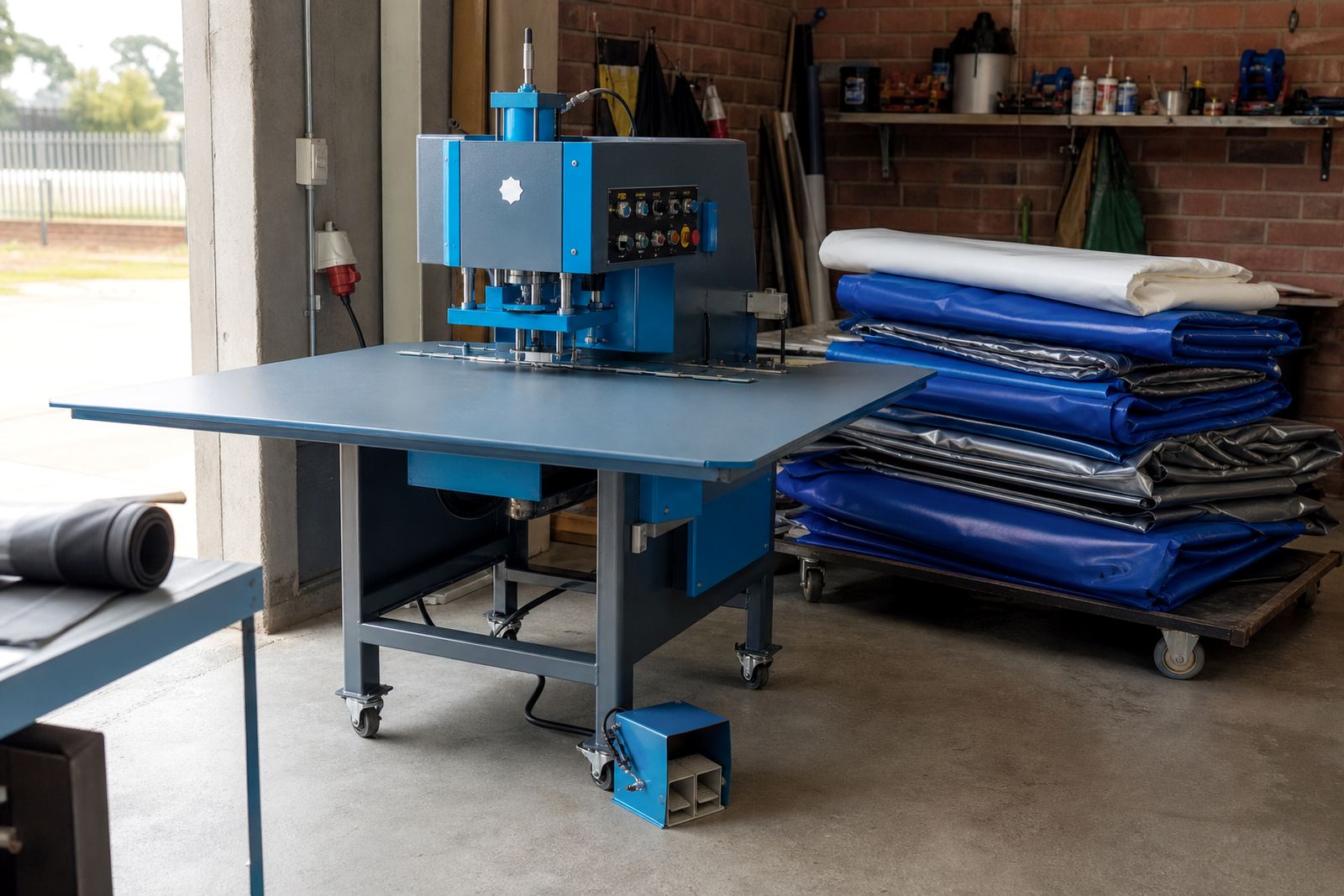
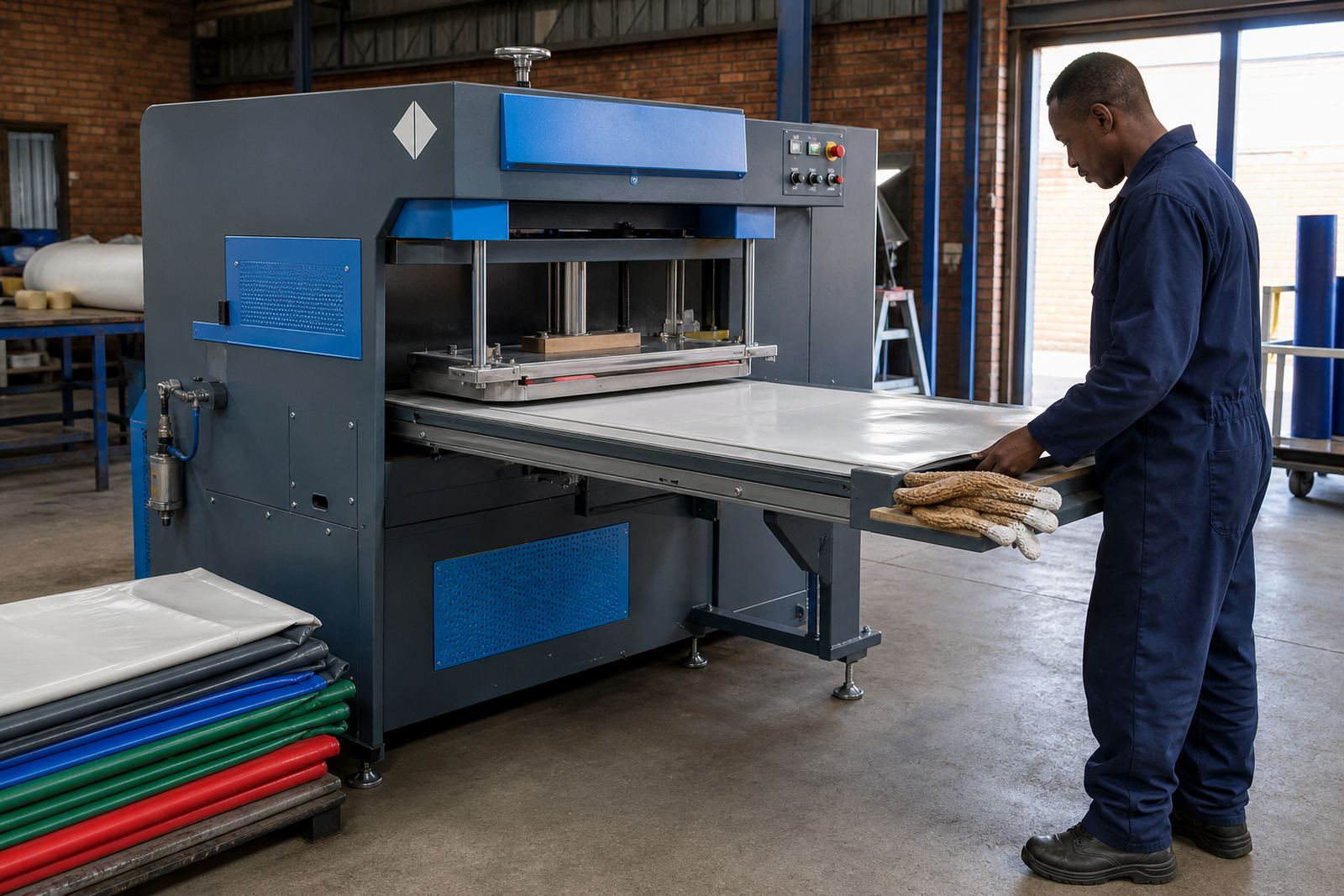
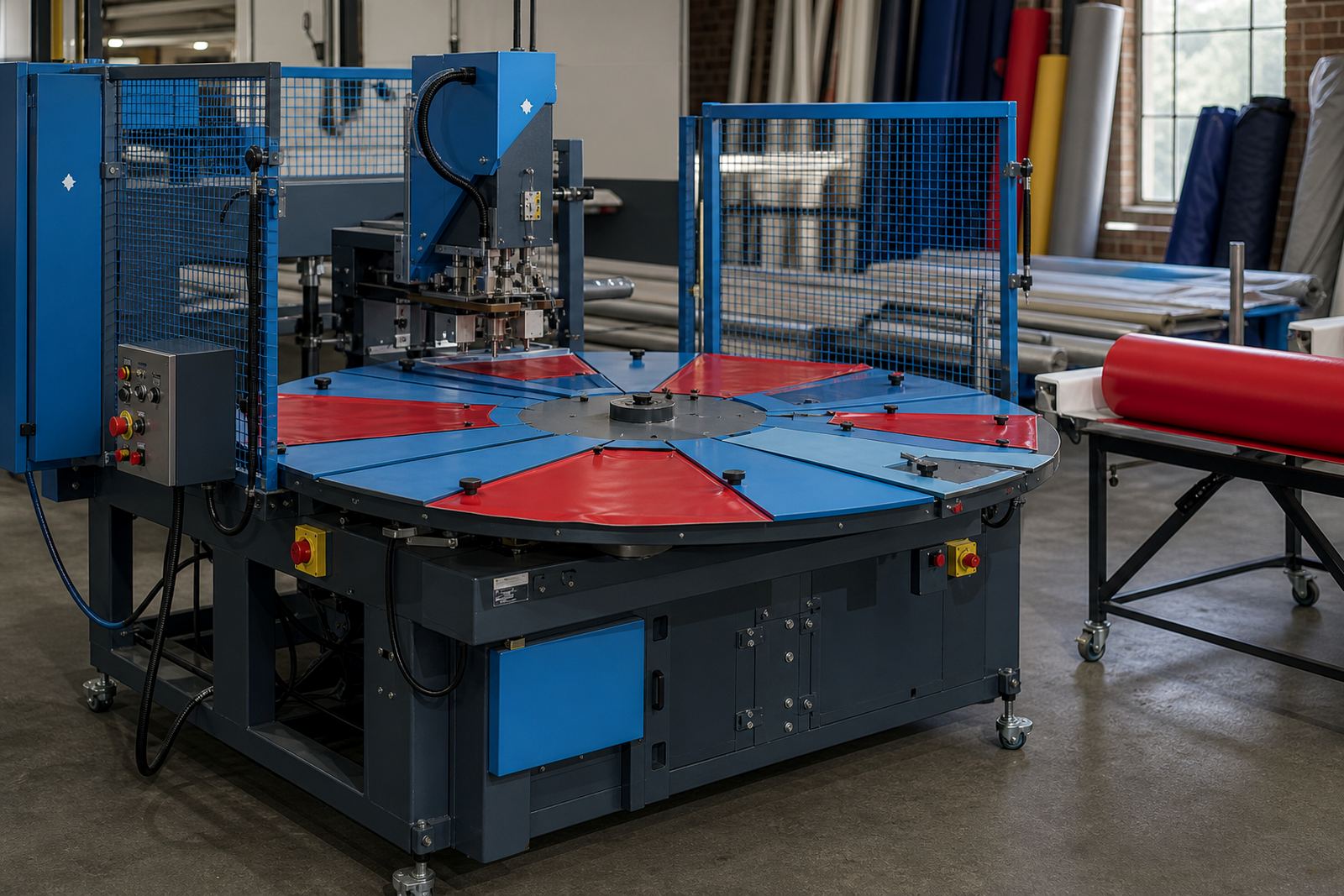
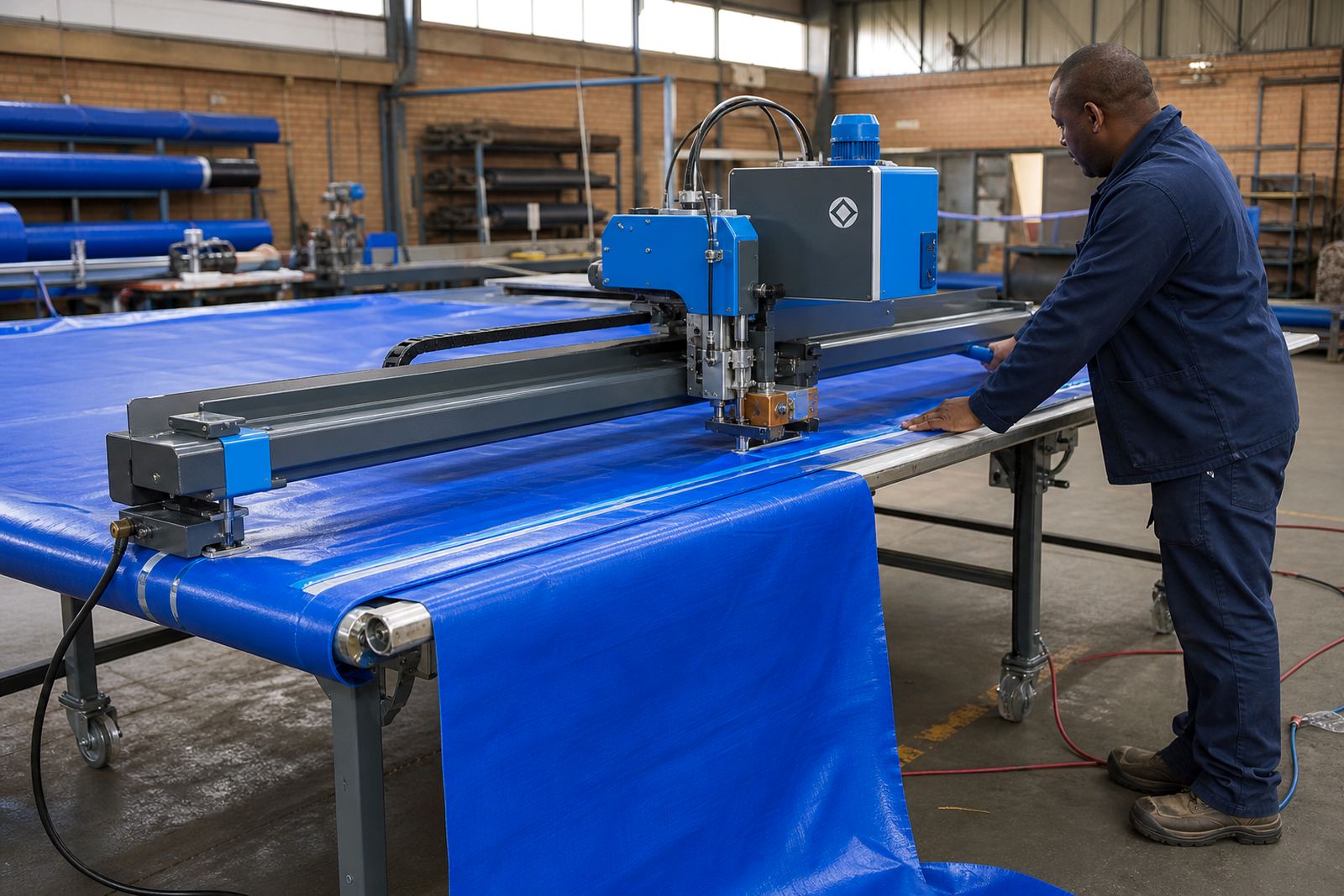
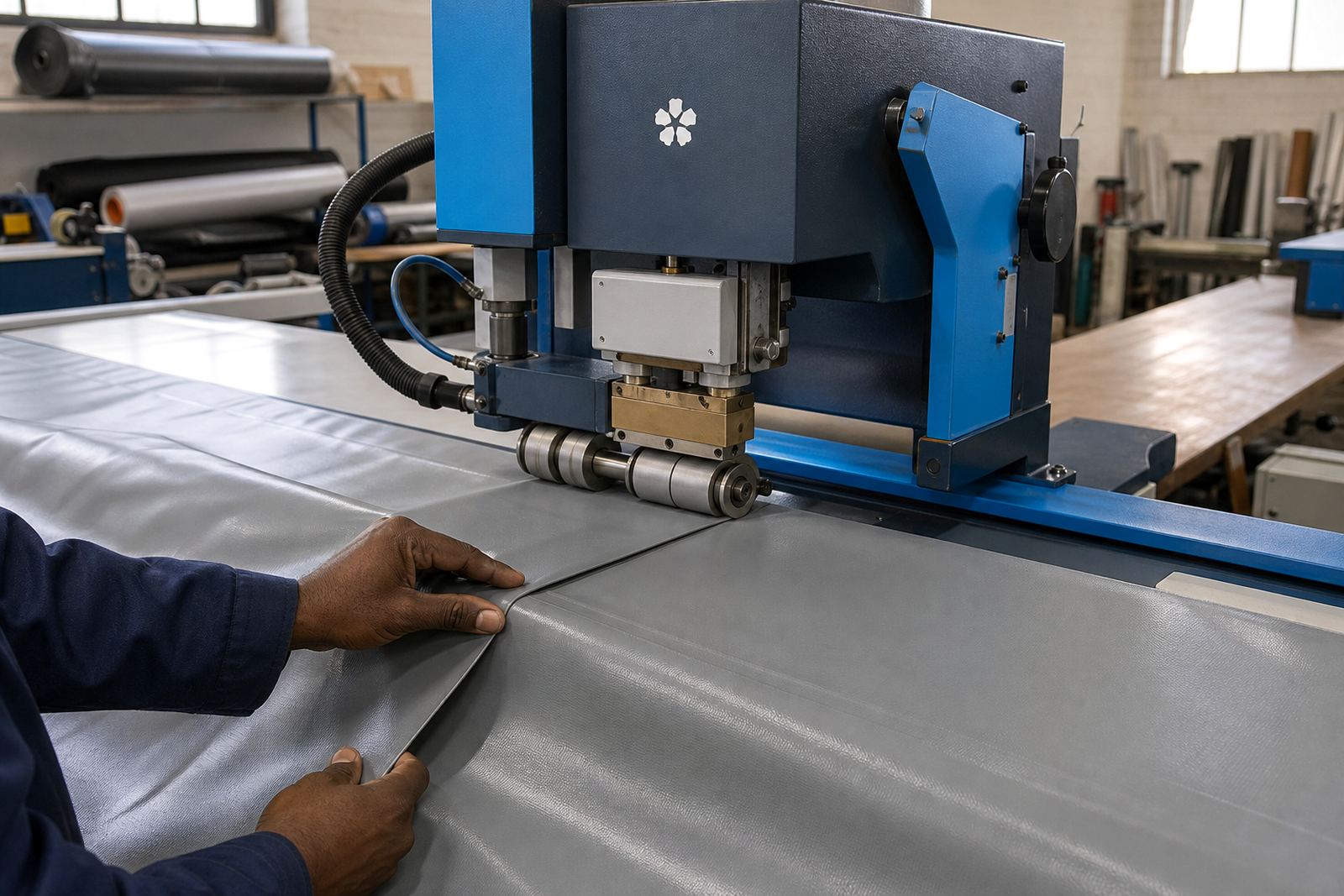
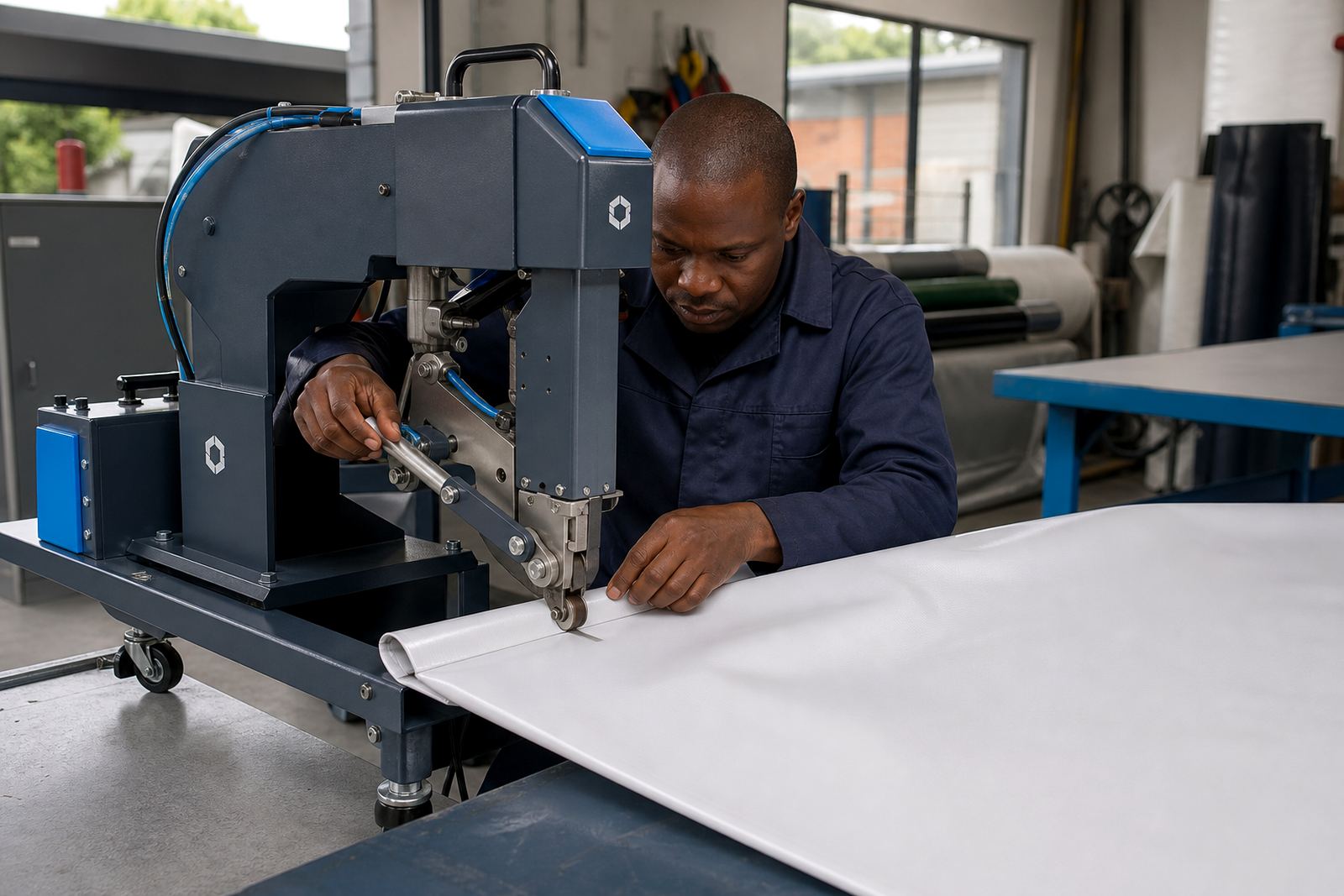
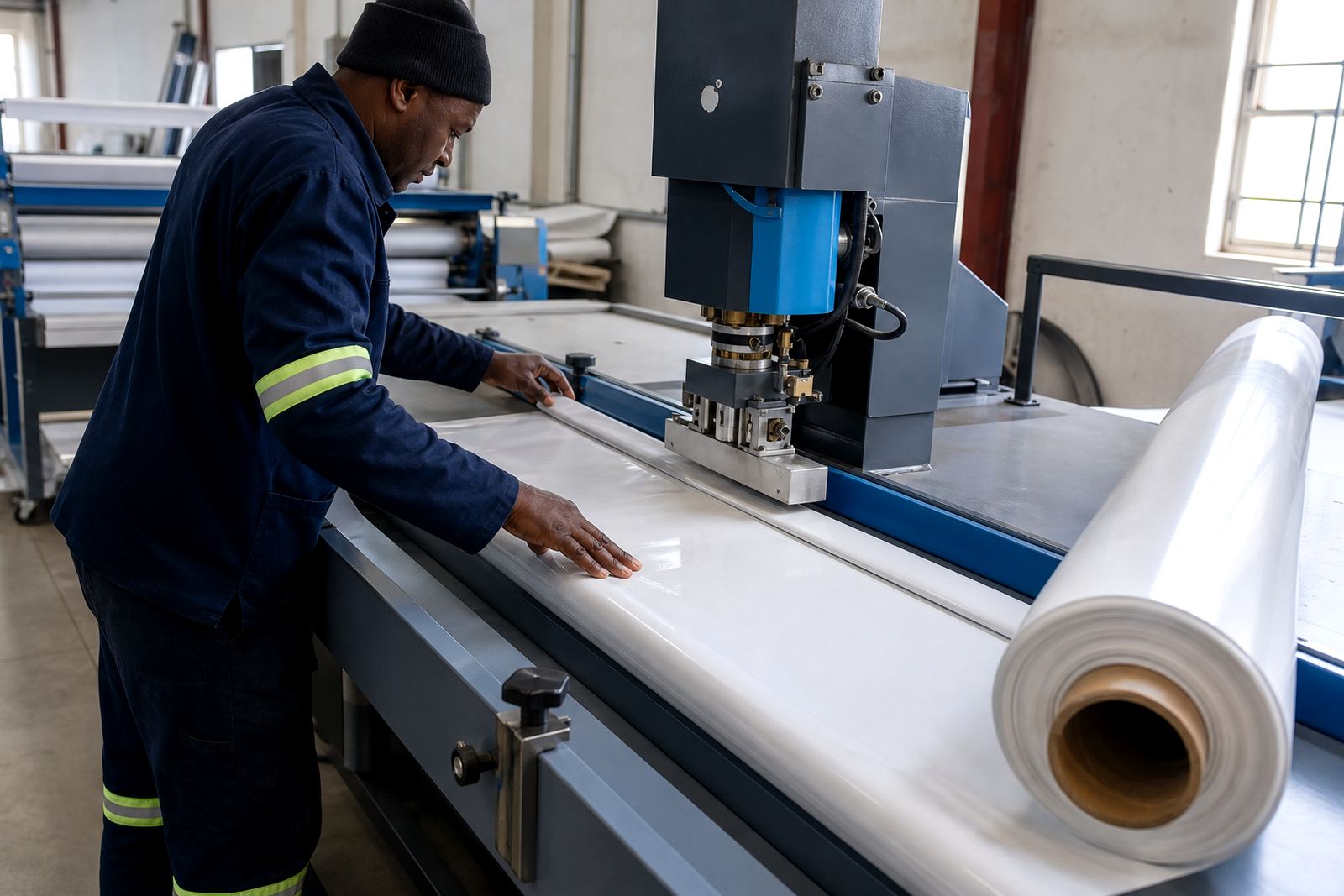
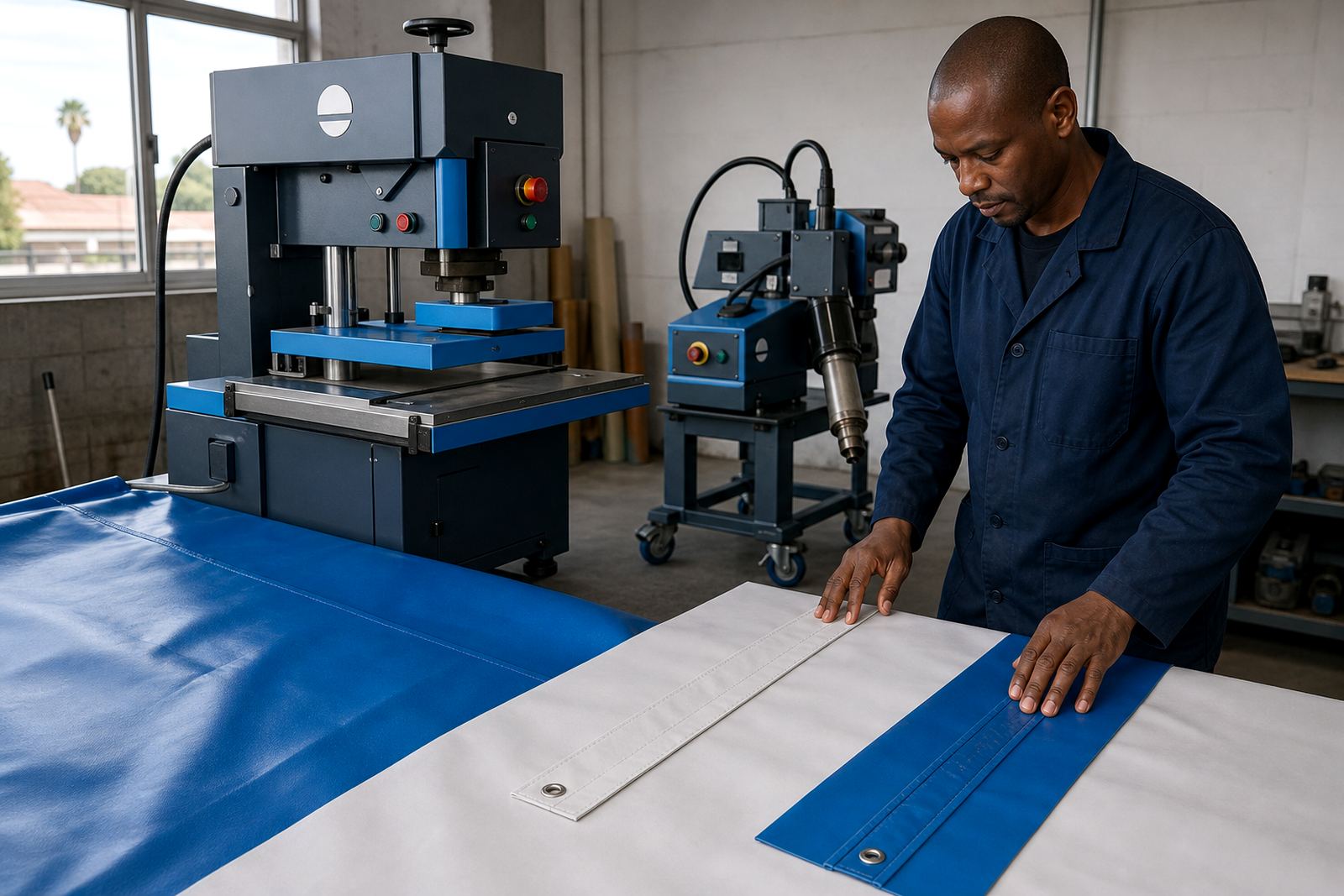
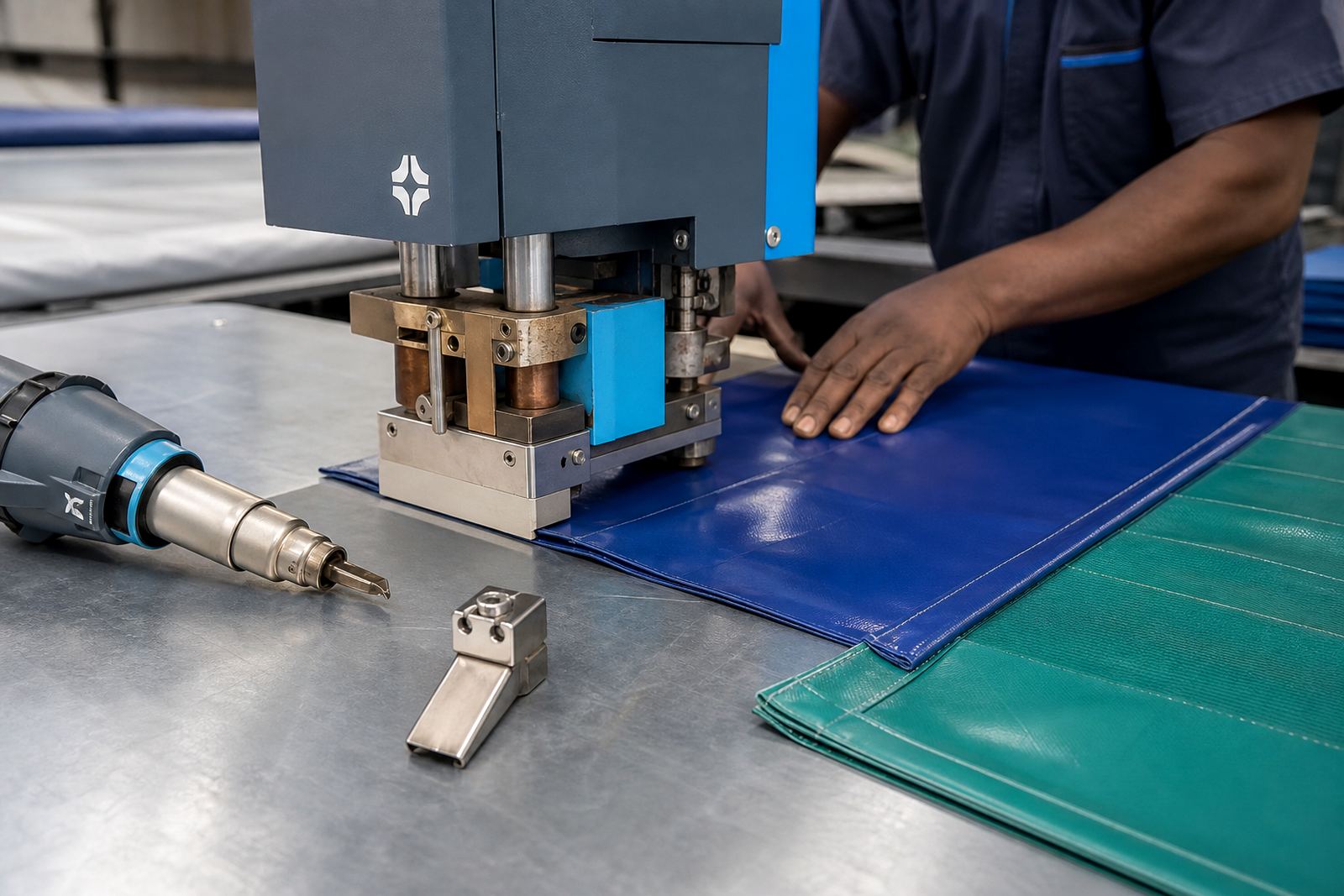
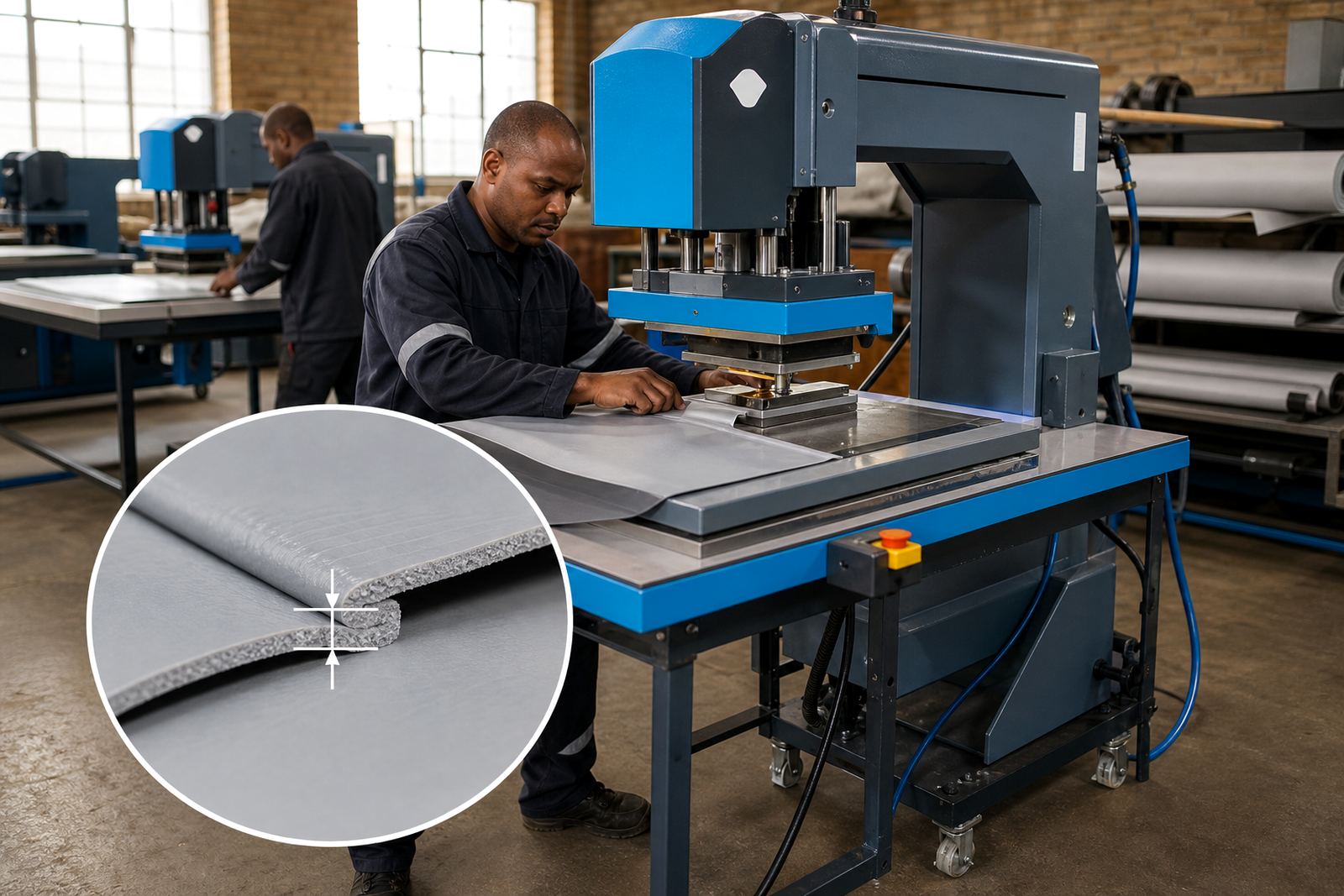
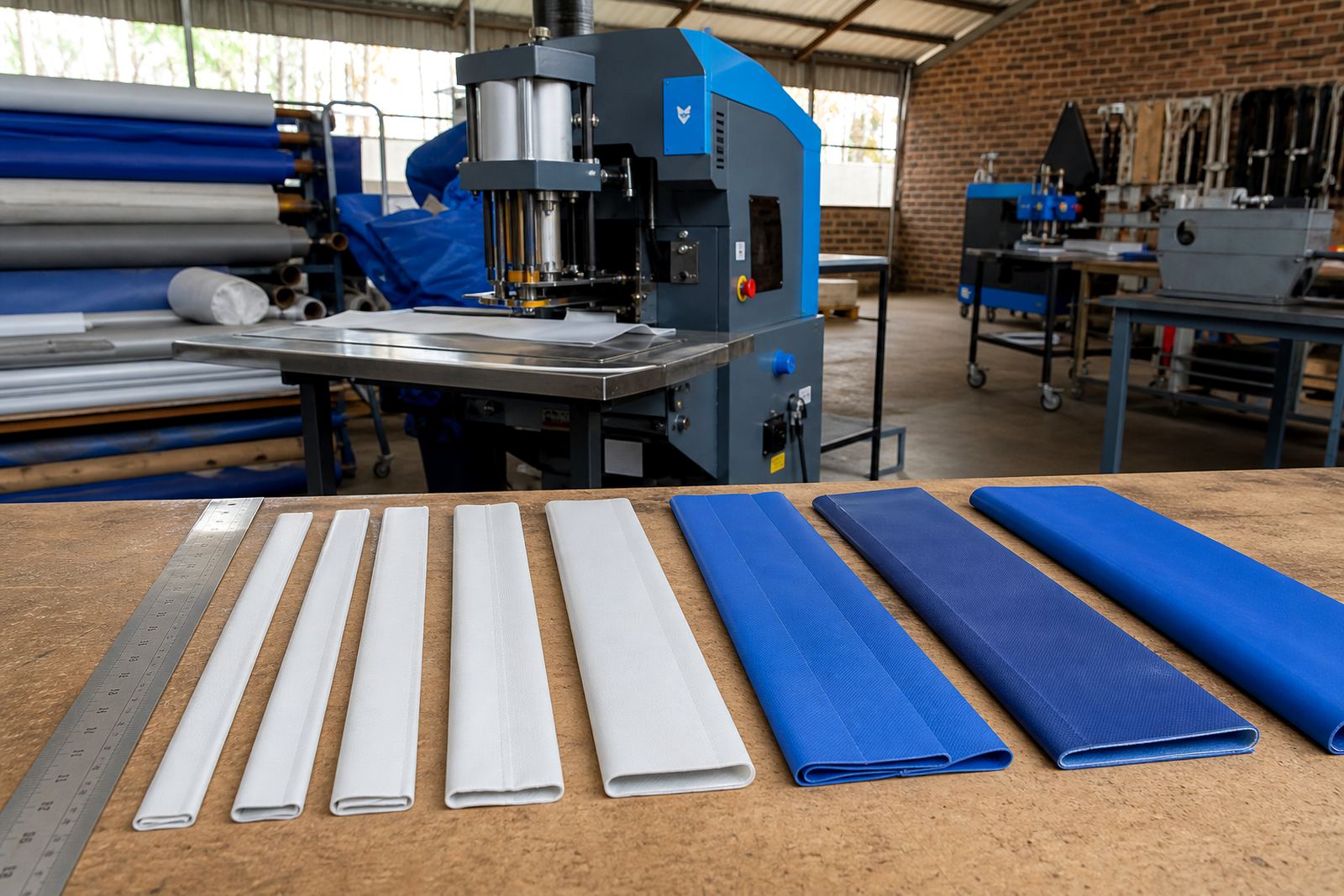
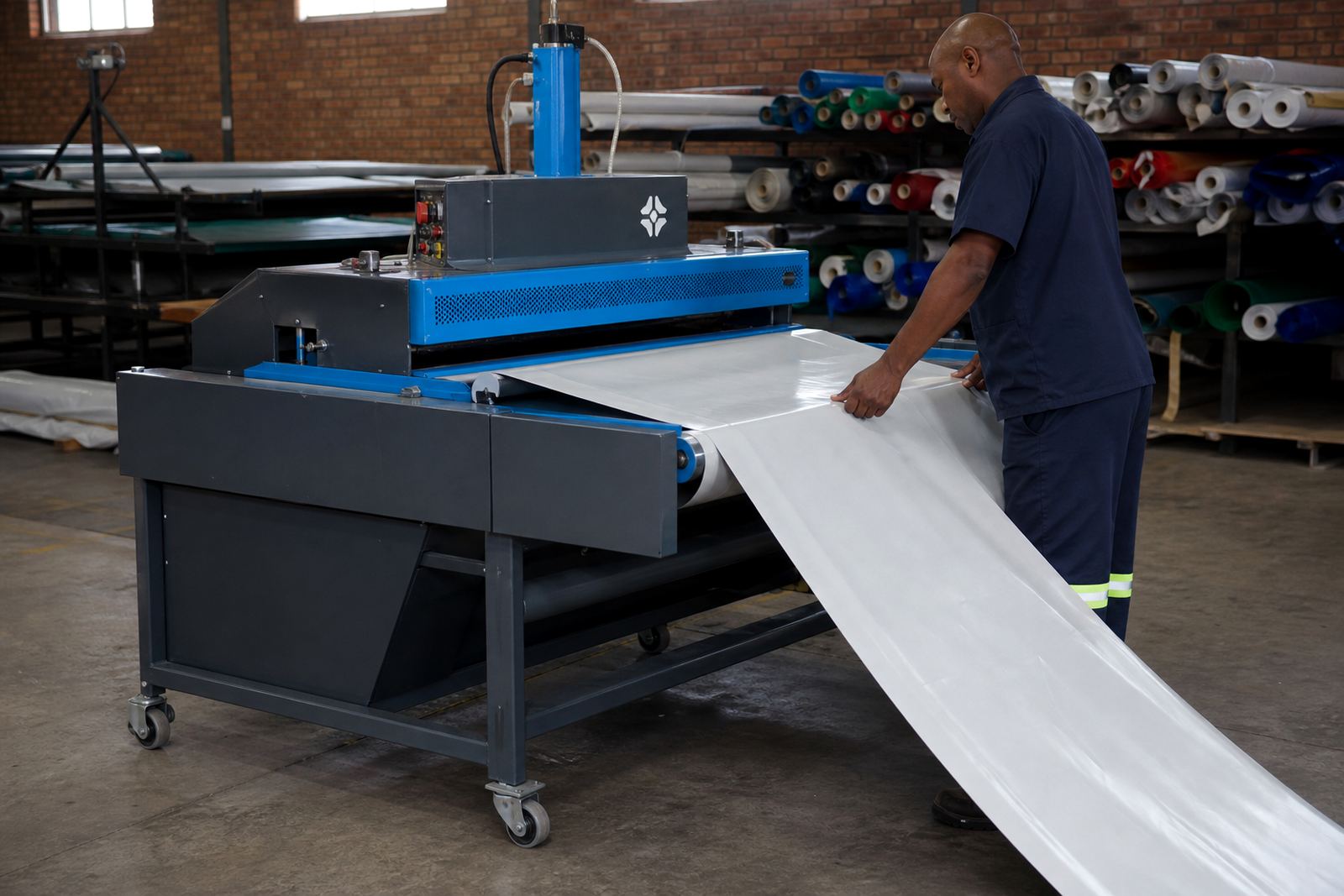
PVC-coated fabrics need clean, even welding if the finished job is going to stay neat under tension, sun and handling. We supply high-frequency welding solutions for straight seams, overlap seams and reinforcement work, plus hot-air and hot-wedge machines for longer runs, hems, keder rails and detail work around corners and openings.
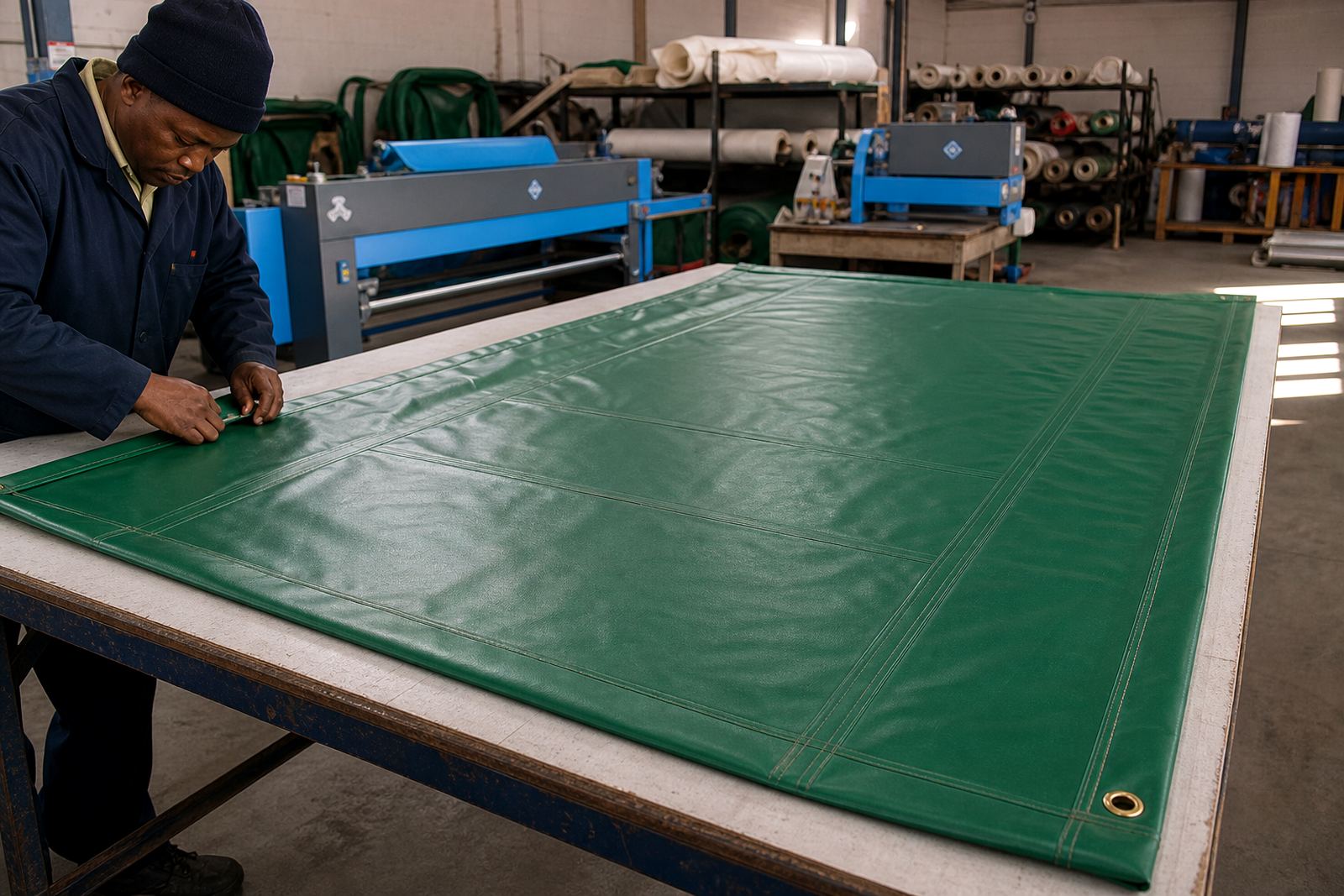
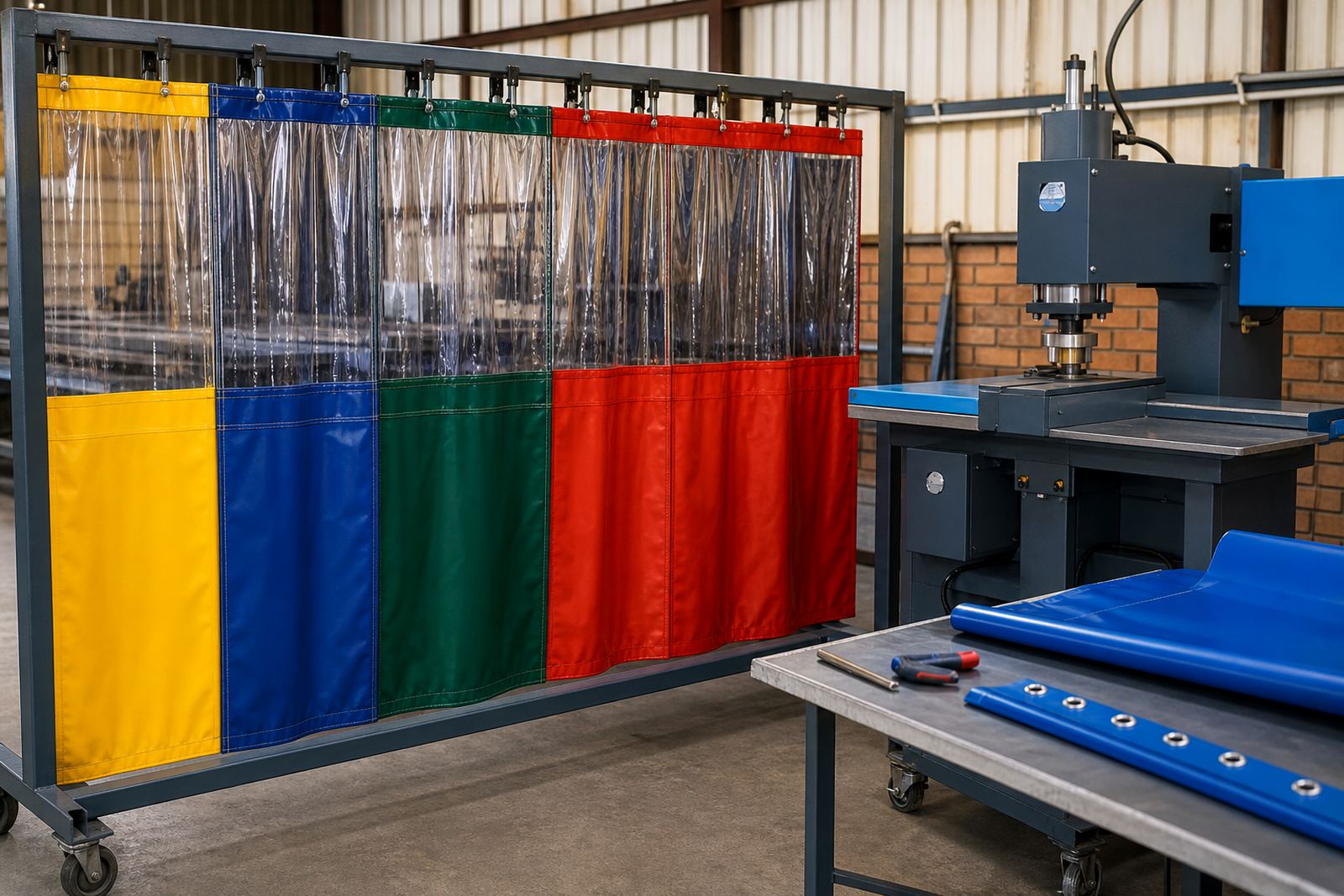
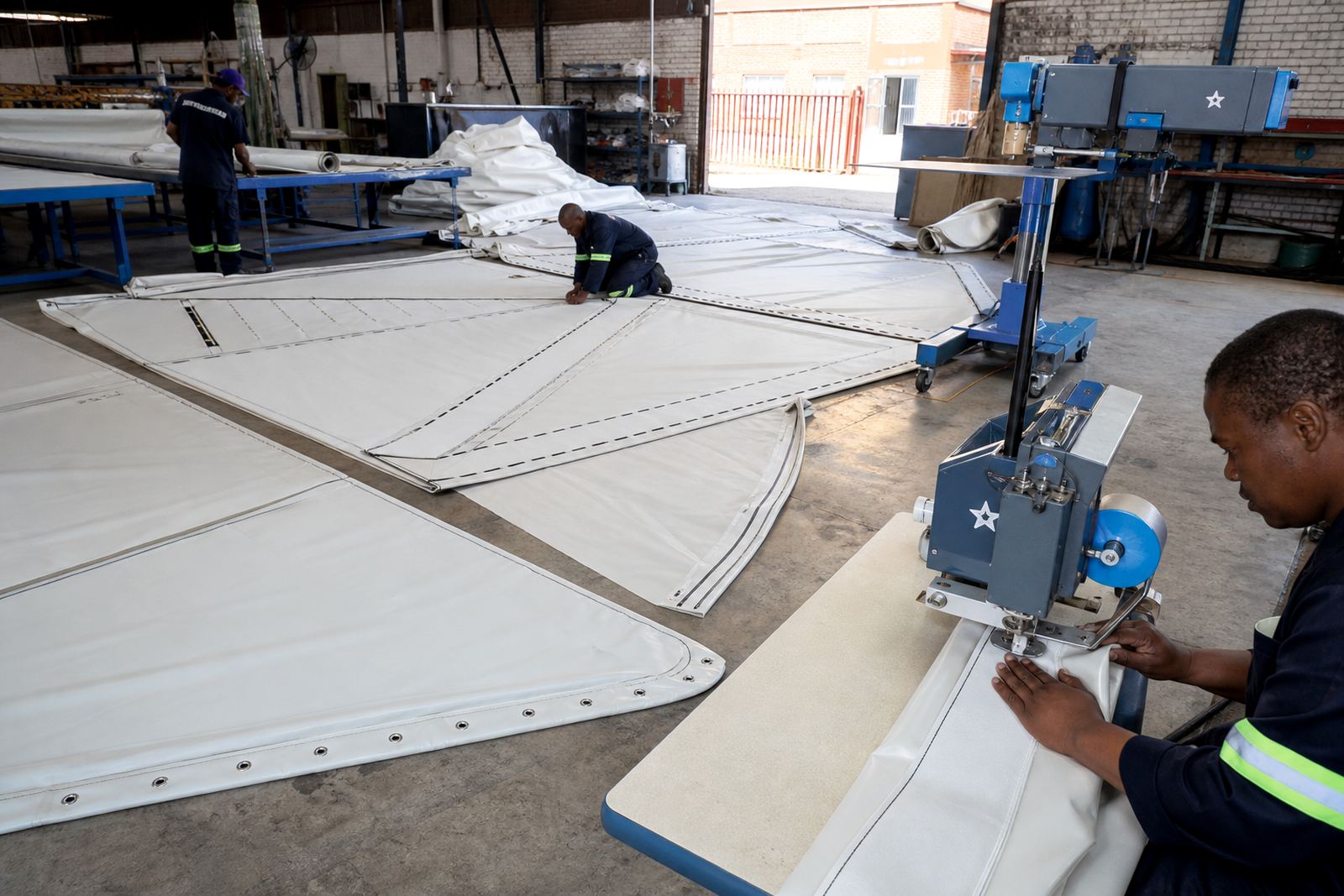
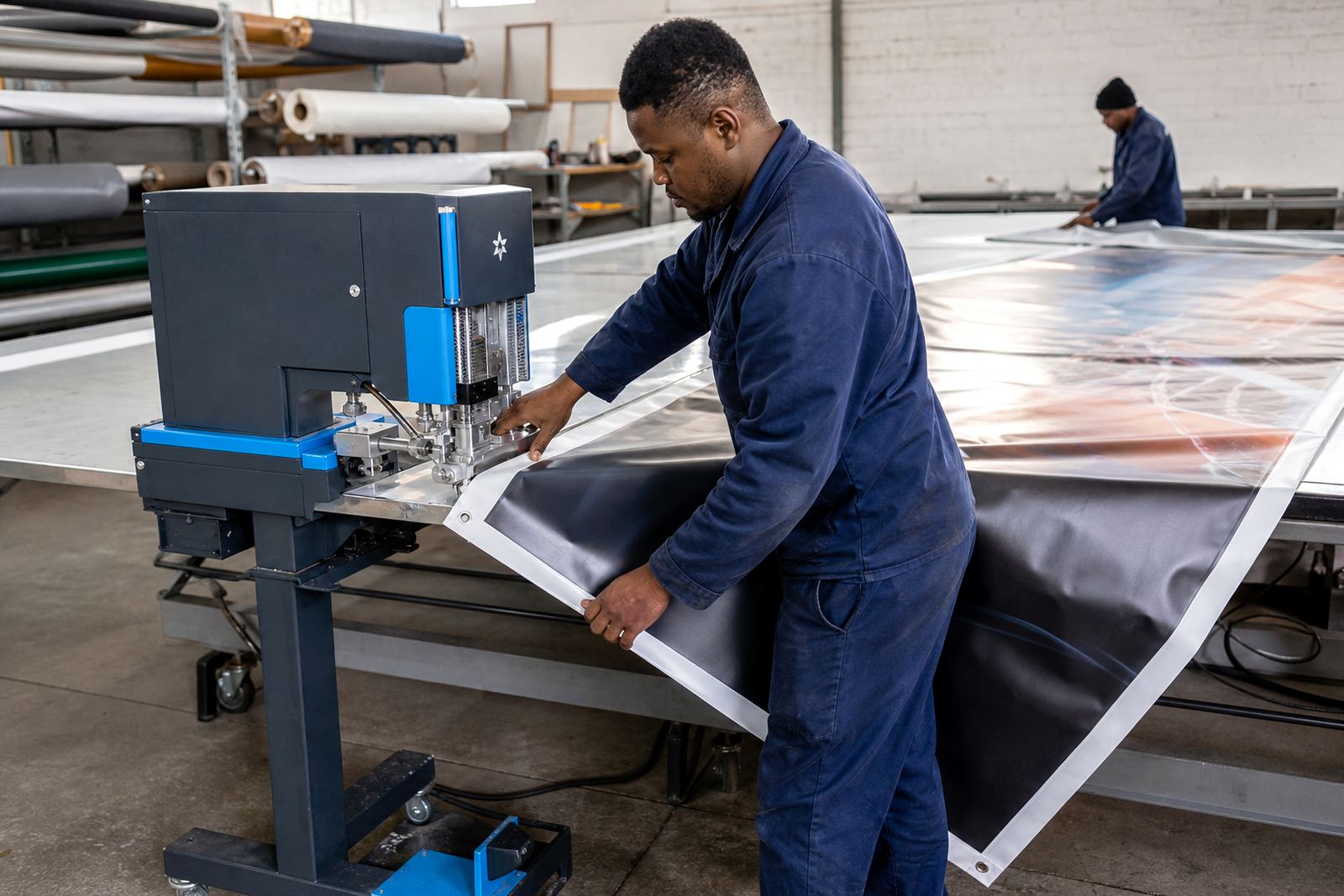
In tarpaulin and banner production, the right machine choice depends on material thickness, seam width and the job flow on the floor. Some workshops need fast repeat welding for side curtains and truck covers, while others need controlled heat for banner hems, tent panels and fitted signage pieces. The machines and tooling are selected to match that kind of production, not a one-size-fits-all set-up.
What the workshop line is set up to do
We work with machinery and tooling used in the practical side of PVC fabrication. That includes equipment for jointing, edge finishing, fitting keder, preparing hems and managing eyelet areas so the finished product sits properly under load. The focus is on controlled welds, consistent heat, and repeatable results from the first panel through to the last.
For sign makers and event fabricators, clean weld lines matter because the finished piece is seen up close. For tent and tarpaulin makers, seam strength, water resistance and edge finish matter just as much. Our role is to match the equipment to the job, then keep it in working order so production does not drift out of spec.
How the Germiston team handles each job
Work starts with the material, the seam type and the intended use. Mandla Mnisi oversees the business, while Alicia van der Merwe handles sales, Sibusiso Abrahams looks after fault finding and servicing, Johan Mkhabela handles installation work, Thandi Mokoka coordinates operator training, and Lebo Motsepe manages parts and support. That mix keeps the technical side and the workshop side joined up.
For a new installation, the machine is positioned, commissioned and checked against the fabric and tooling in use. For servicing, we look at heat consistency, pressure, alignment, wear on key components and any signs that output has shifted. Operator safety is part of the process too, with attention to guarding, handling hot tooling, electrical checks and the way the machine sits in the work area.
- Machine installation and commissioning
- Operator training for everyday use and safe handling
- Preventive servicing and scheduled checks
- Site callouts for faults and production interruptions
- Service plans for busy workshops