Cut-to-fit metal for repeat seam work
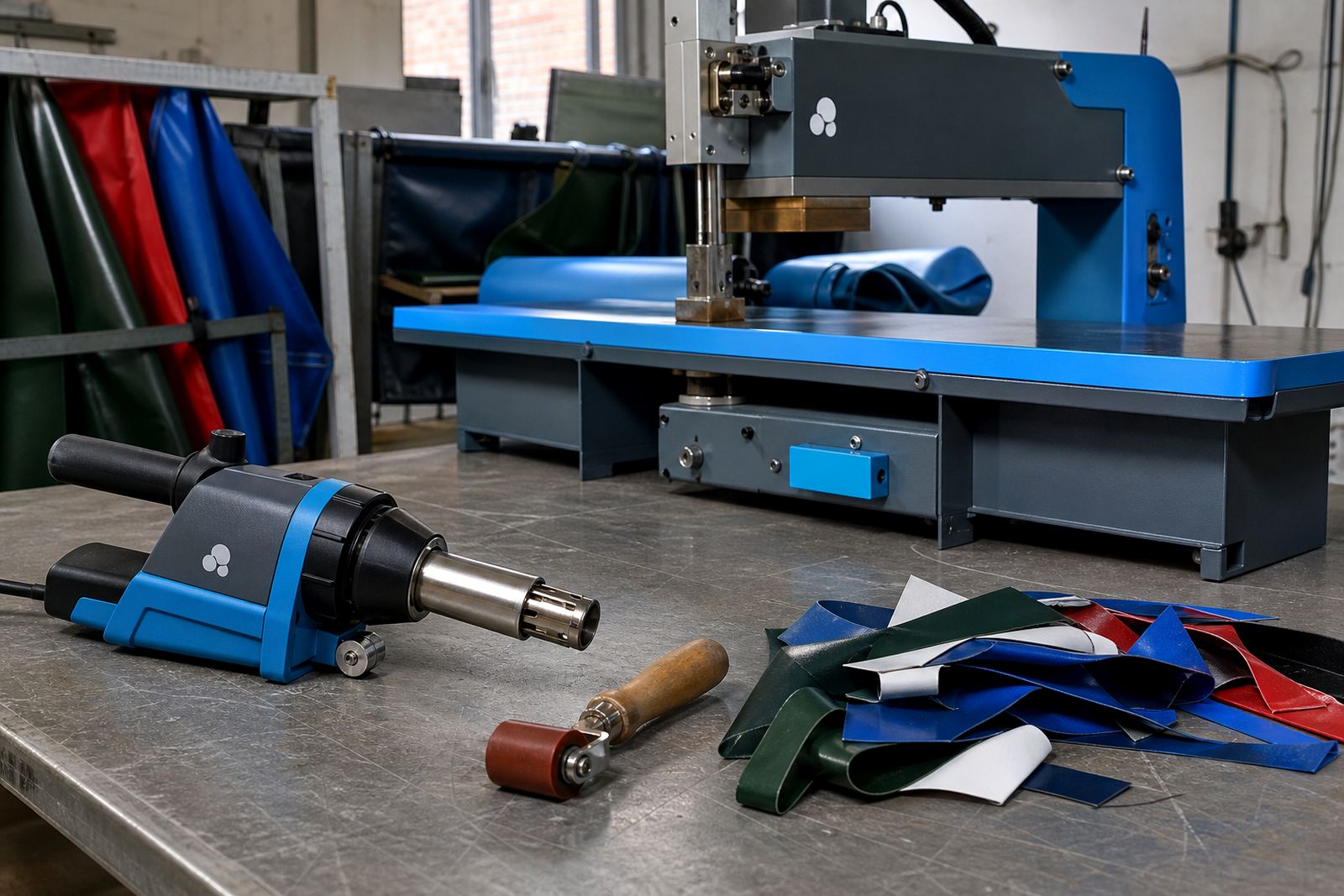
An electrode set is the shaped metal tooling fitted to a high-frequency welder to press and form the weld area on PVC-coated fabric. The profile on the electrode sets the seam width and seam shape, so the finished join is straight, even and suited to the product being made. In day-to-day shop use, the right set makes the difference between a neat production seam and a joint that needs trimming or rework.
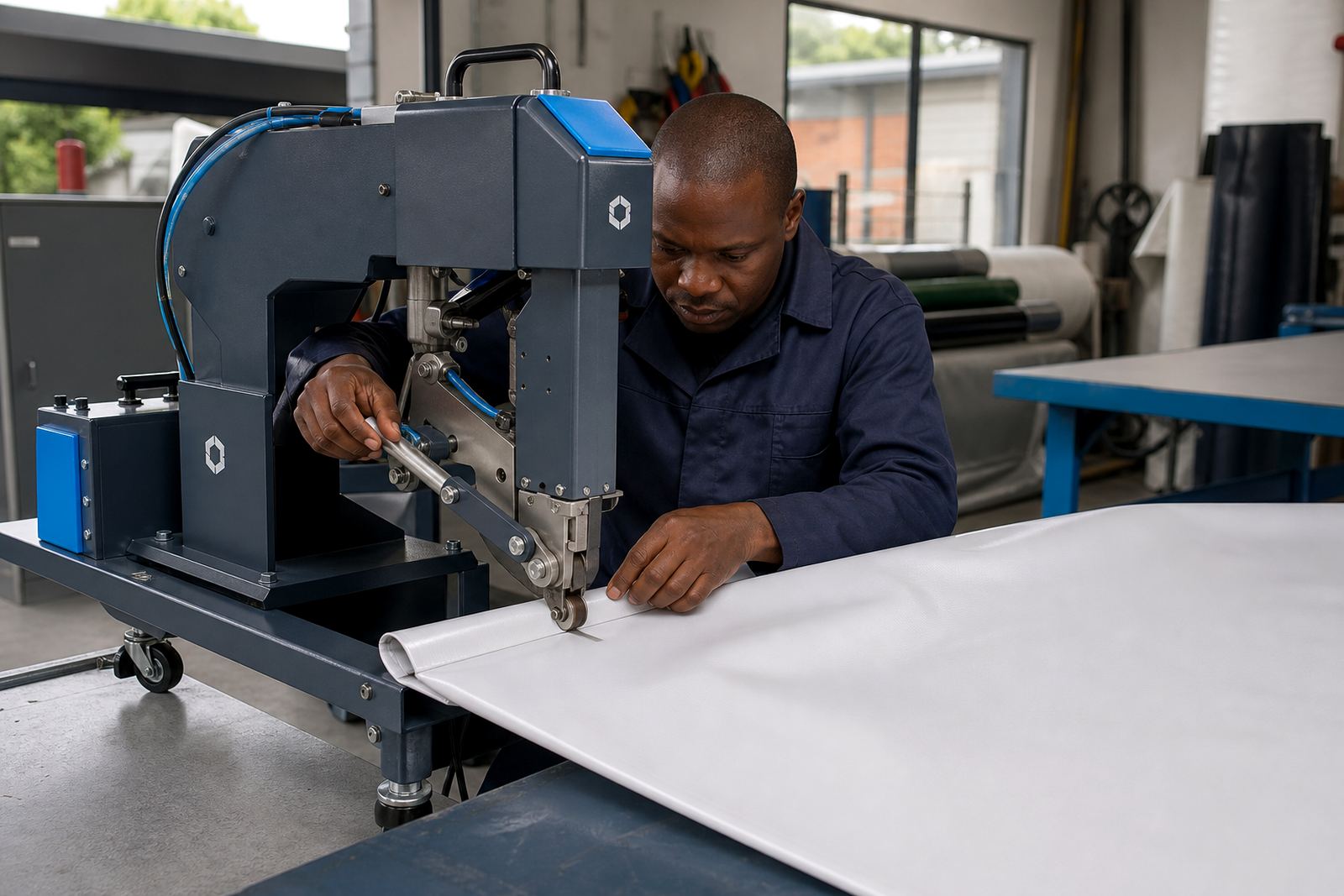
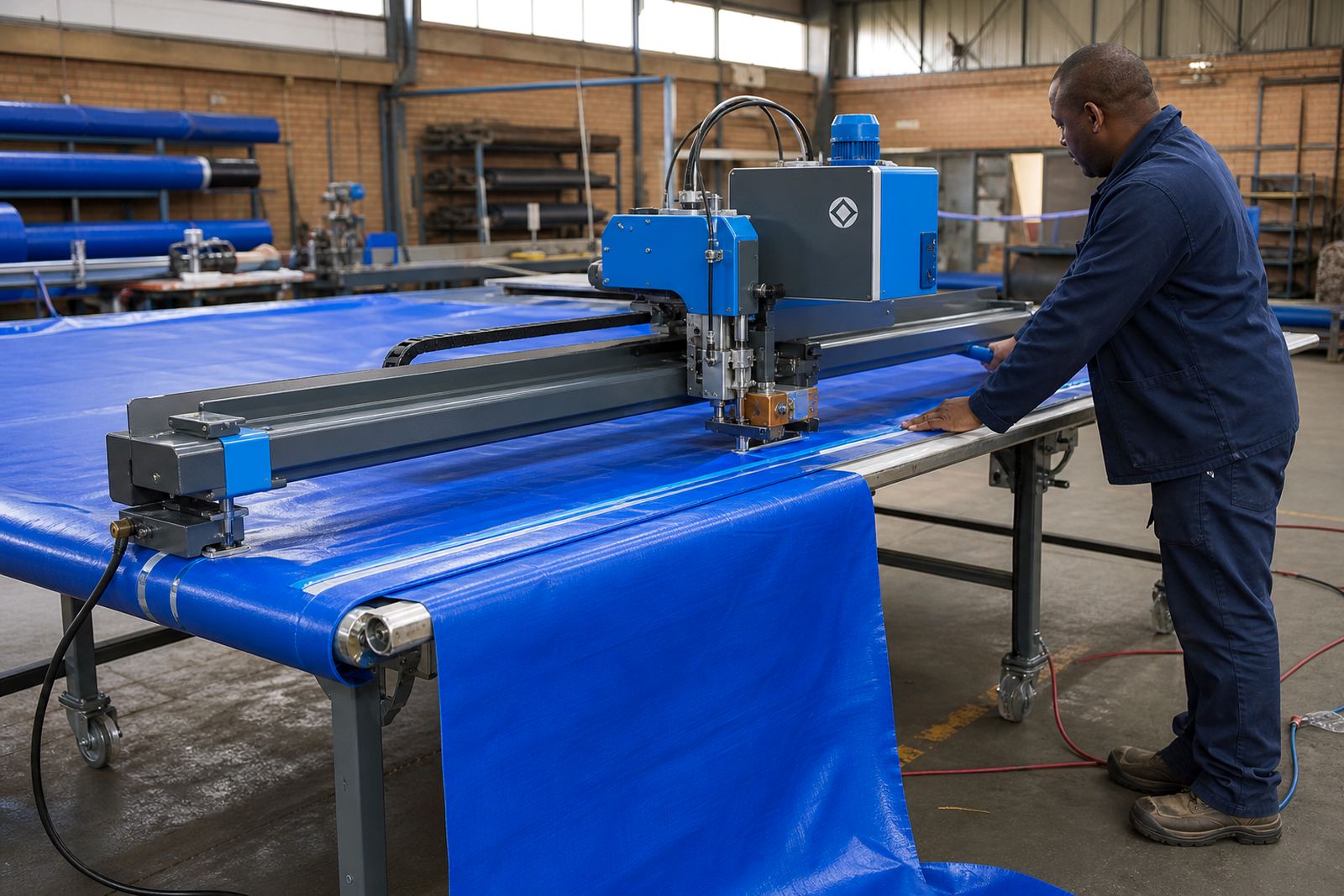
These sets are used on radio frequency welding machines for tarpaulin panels, banner joins, rain covers, tents and other PVC fabric assemblies where repeat accuracy matters. Common profiles include straight seams, double-track seams, hems, edge folds, keder channels and eyelet support areas. A worn or damaged electrode can mark the fabric, leave uneven pressure or create hot spots, so replacement is often part of normal servicing.
Profiles used on tarpaulin and banner lines
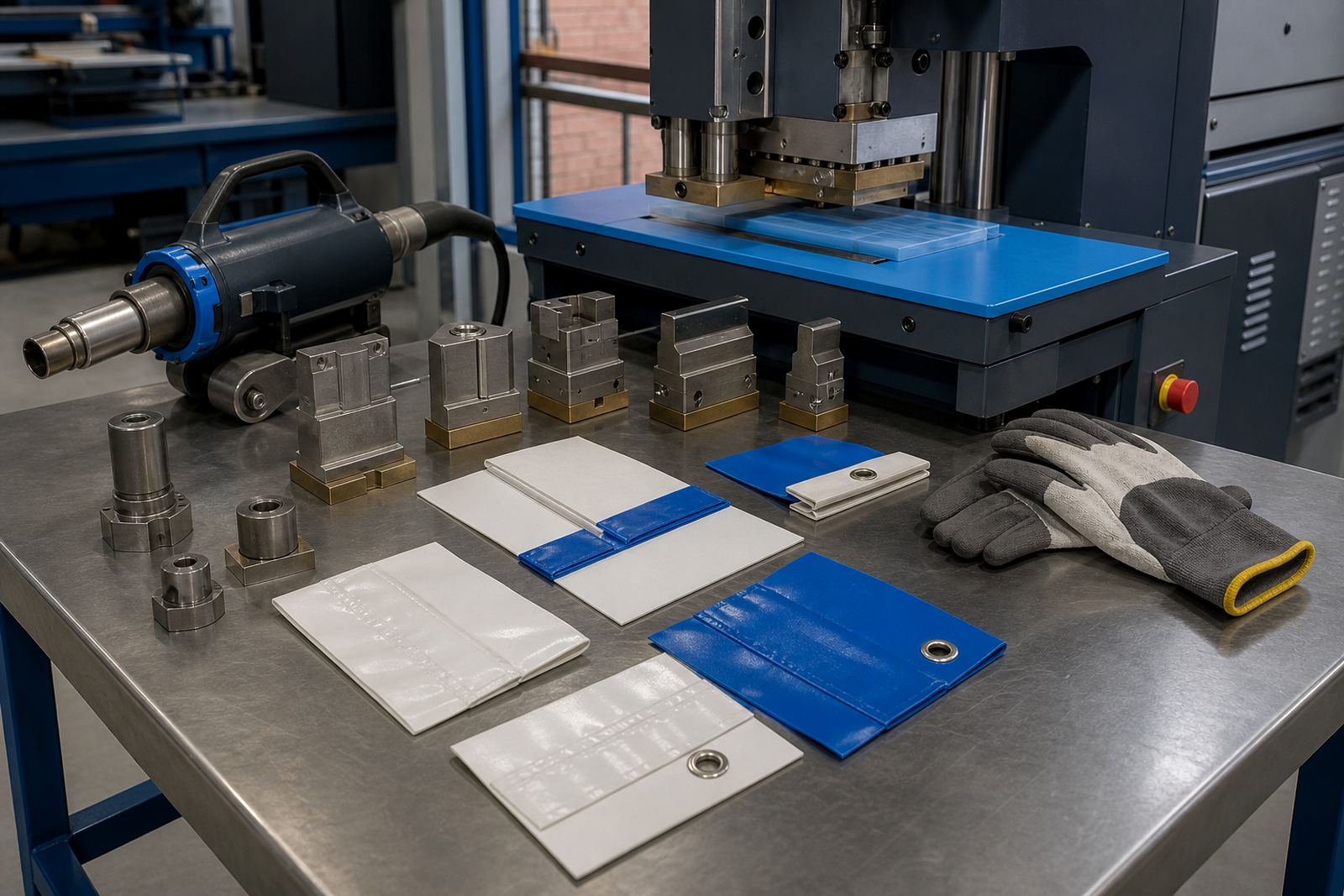
Different production tasks call for different electrode shapes. A straight seam profile suits long sheet joins and panel work. A wider profile is used where extra bonding area is needed for large tarpaulins or wind-exposed banners. Hems and fold-over profiles help where a hem bar is formed before eyelets are added, while keder tooling supports channel welds for track-in banner systems and tent edges.
For sign and display work, the electrode needs to track neatly along the media so the seam does not wander. That matters on printed banner material where a crooked weld is visible from metres away. On heavier tent fabrics and thicker PVC-coated sheeting, the contact face must match the material thickness and the machine platen pressure, otherwise the seam can be under-welded on one side and over-compressed on the other. A small typo at the tooling stage can waste a full panel, so matching the profile properly saves time and material.
- Straight seam electrodes for panel joins and long runs
- Hem and fold electrodes for edge finishing
- Keder channel profiles for track-fit edges
- Eyelet support tooling for reinforced fixing points
- Special profiles for repeat production on fixed patterns
Sizes, faces and fitment details
Electrode sets are selected by length, width, face profile and the mounting pattern on the welding head or platen. Some machines use matched top and bottom tooling, while others use a single shaped electrode against a flat counter surface. The cut, radius and edge finish all affect how the heat and pressure travel through the PVC coating during the weld cycle.
When ordering, the important details are the machine type, the tooling mounting points, the seam profile required and the working size of the weld area. On many shop floors in Gauteng, Durban or Cape Town, machines are used on mixed jobs from 20 mm hems to wider seam bands for tarpaulins and marquee panels. A set that is too narrow can leave weak edges, while one that is too wide can create excess heat spread and a messy finish.
- Overall length of the electrode
- Working width or seam face size
- Mounting hole pattern or clamp style
- Profile type such as seam, hem, keder or eyelet support
- Machine model and platen arrangement
- Material thickness and fabric type being welded
Where the set suits in production
Replacement electrodes suit tarpaulin makers, banner shops, tent manufacturers and PVC fabric converters doing repeat jobs. They are used where consistent seams are needed on side curtains, truck covers, shade products, event structures and welded promotional media. For larger workshops in Johannesburg, Pretoria or Germiston, the set often becomes part of planned tooling changeover between product lines.
In coastal work, especially around Durban and Cape Town, PVC-coated fabrics are often exposed to humidity, salt air and more frequent handling. That means the seam face and tooling surfaces need to stay clean and true, because pitting, corrosion or resin build-up can affect the weld finish. On inland sites the main concern is usually wear from volume production and frequent profile changes between jobs.
Fitting, alignment and operator safety
Correct fitting is important because even a good electrode will weld badly if it sits off-centre or under uneven pressure. The tooling should be aligned to the seam line, tightened to the correct level and checked for flat contact before a production run. When the machine uses heated tooling or other powered welding systems, operators should isolate the equipment before changing electrodes and keep fingers clear of the press area during set-up.
For radio frequency welding, electrode alignment also affects how the seam forms at the edges. A slight tilt can leave a shiny edge on one side and a dull weak edge on the other. Hot-air or hot-wedge lines use different tooling principles, but the same care applies around guides, rollers and pressure surfaces. Good shop practice is to inspect the electrode face, the mounts and the counter tooling before the next shift starts.
- Isolate the machine before fitment or adjustment
- Check alignment against the seam guide
- Inspect for burrs, scoring or corrosion
- Keep the contact face clean and smooth
- Test the first weld strip before full production
What to confirm before ordering
Electrodes last longer when they are cleaned after use and stored so the faces do not knock against each other. Wipe away PVC residue, dust and release build-up, then check for worn corners, dents or uneven wear across the working edge. If a tooling face has gone out of shape, the seam can start to show ghost lines or pinch marks long before the set fails completely.
Before placing an order, confirm the seam profile, the working size, the mounting style and whether the set is for a replacement on existing tooling or for a new production job. It also helps to note the fabric type, the thickness of the PVC-coated material and the machine setup used on site. For workshops serving Germiston, Boksburg, Benoni and other South African production areas, that detail helps match the electrode to the work instead of guessing from a photo alone.
- Seam type and profile required
- Machine make-up and tooling layout
- Length, width and fixing points
- Fabric thickness and intended application
- Whether the job is straight seam, hem, keder or eyelet work
Key facts
| Product type | Replacement high-frequency electrode set |
|---|---|
| Application | PVC-coated fabrics for tarpaulins, banners, tents and related welded products |
| Common profiles | Straight seam, hem, fold, keder channel, eyelet support |
| Fitment | Mounted to the welding head or matched counter tooling, depending on machine layout |
| Material | Machined metal tooling with shaped welding face |
| Order details | Length, width, mounting pattern, seam profile, machine setup and fabric thickness |