Built for narrow PVC work that needs control
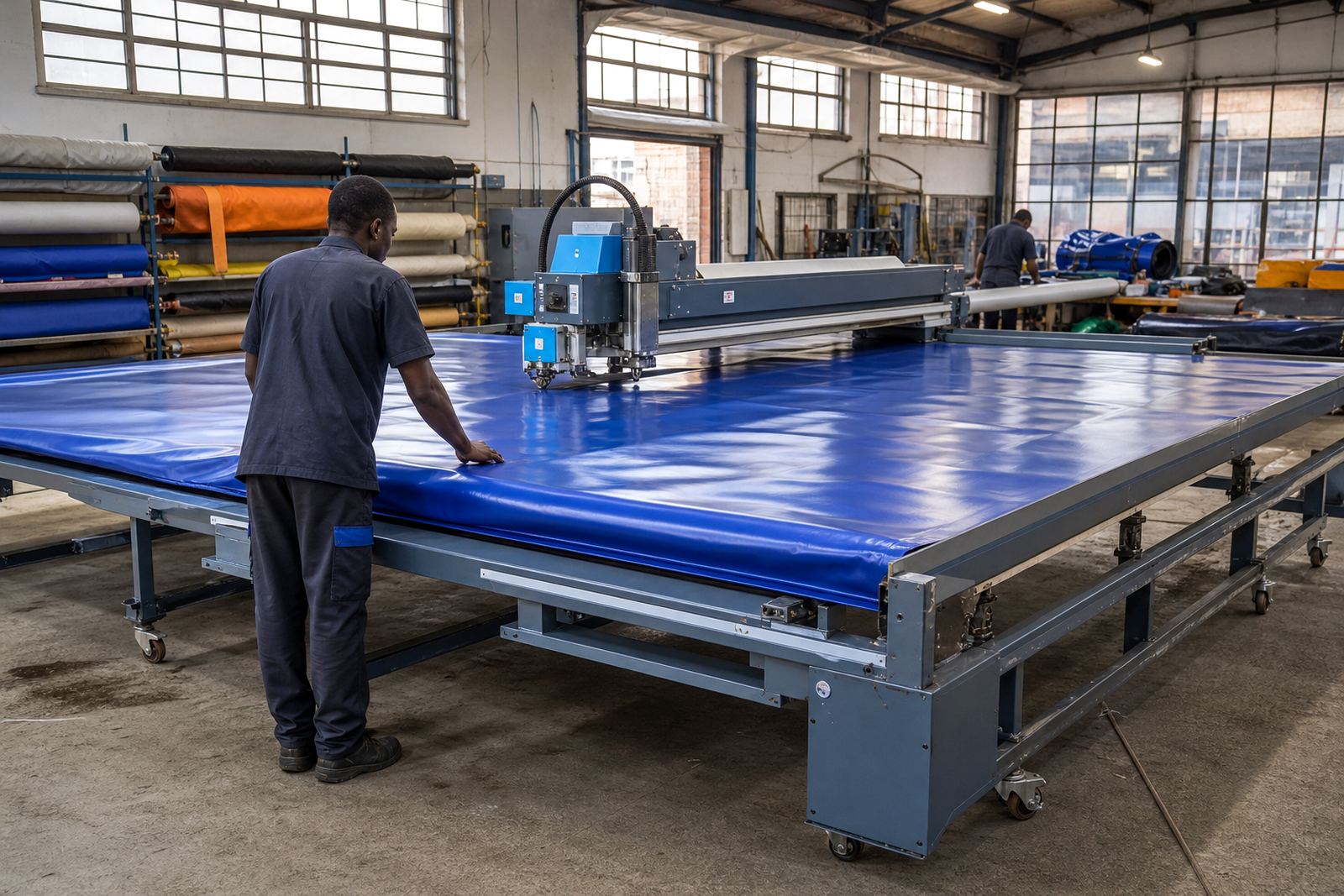
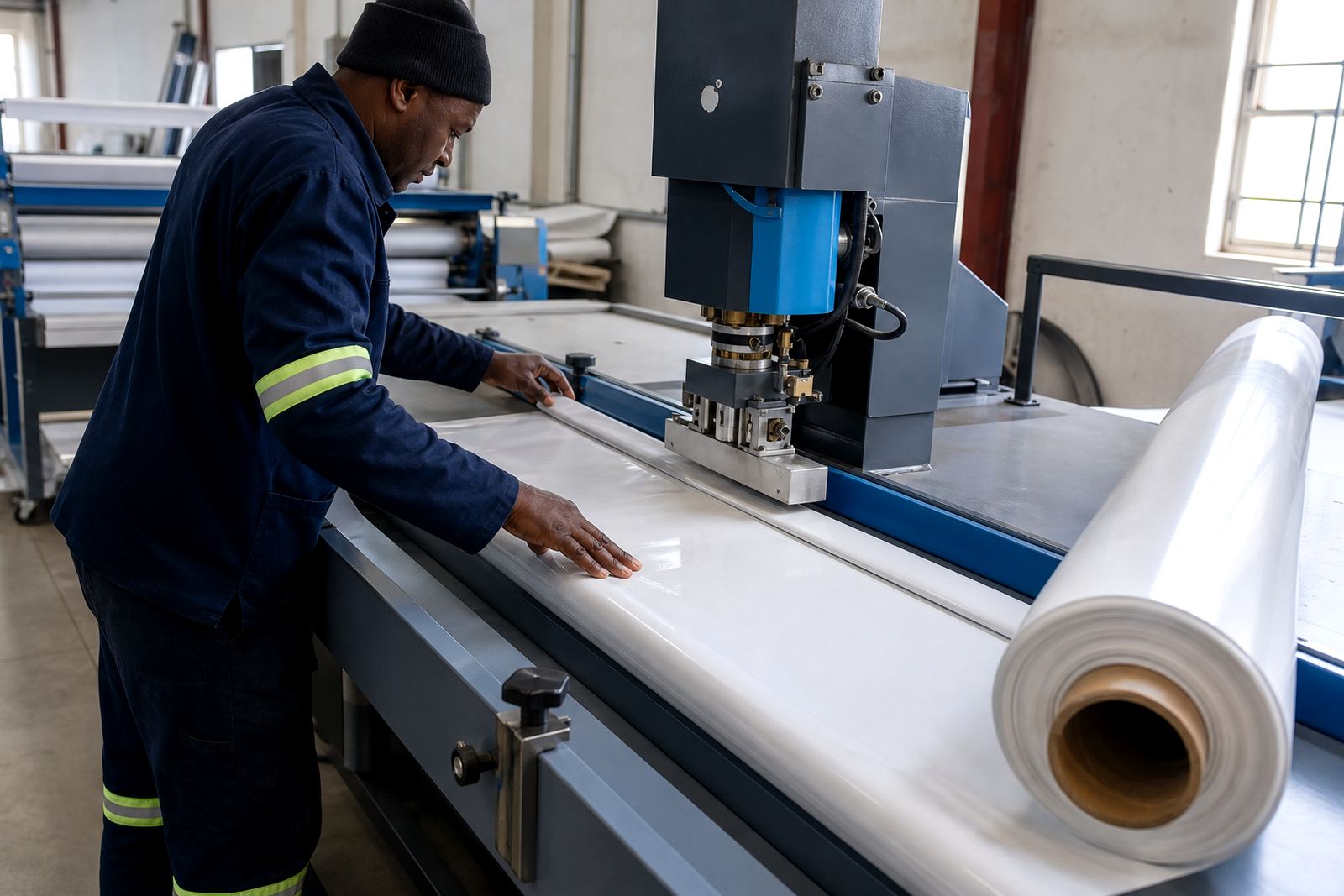
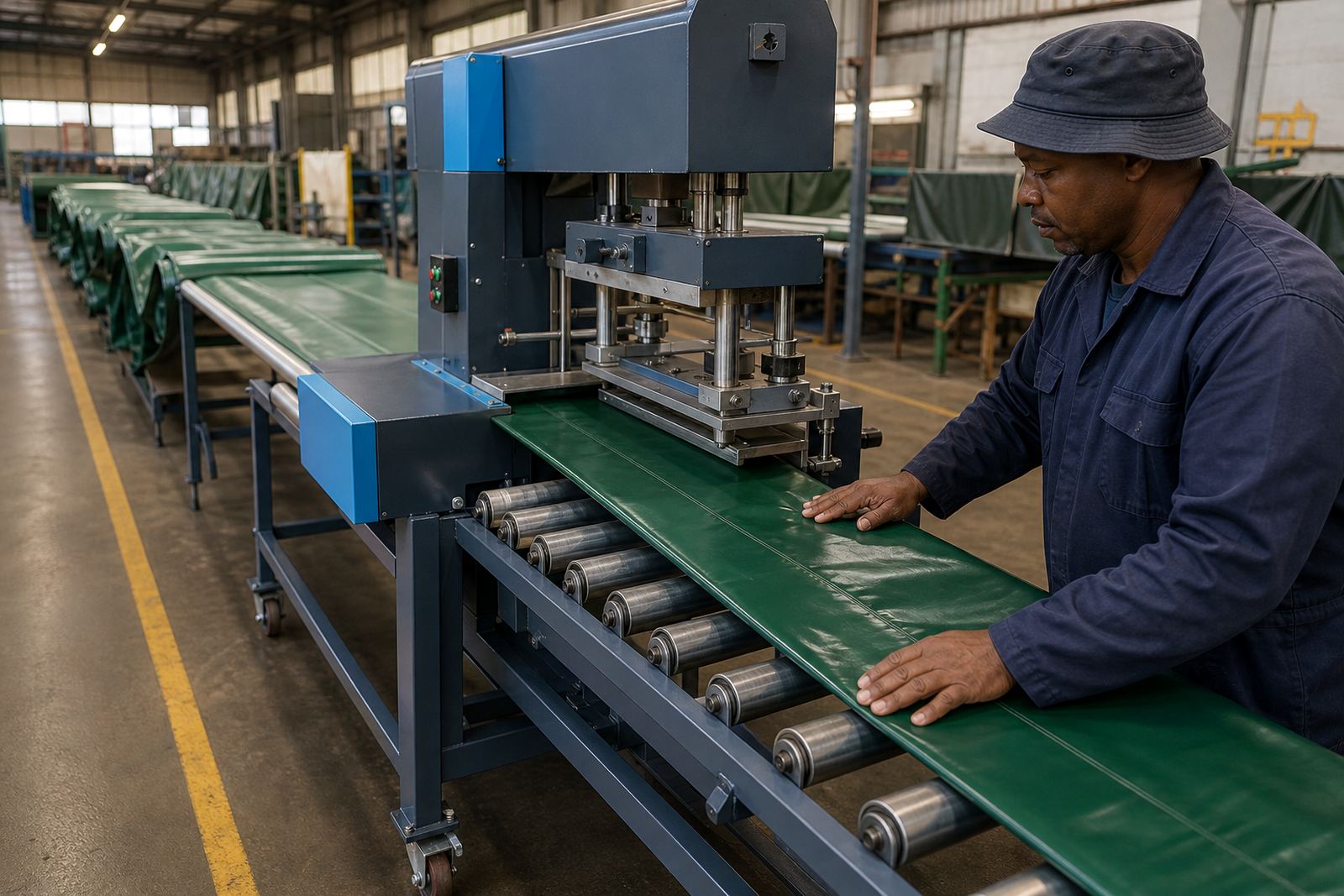
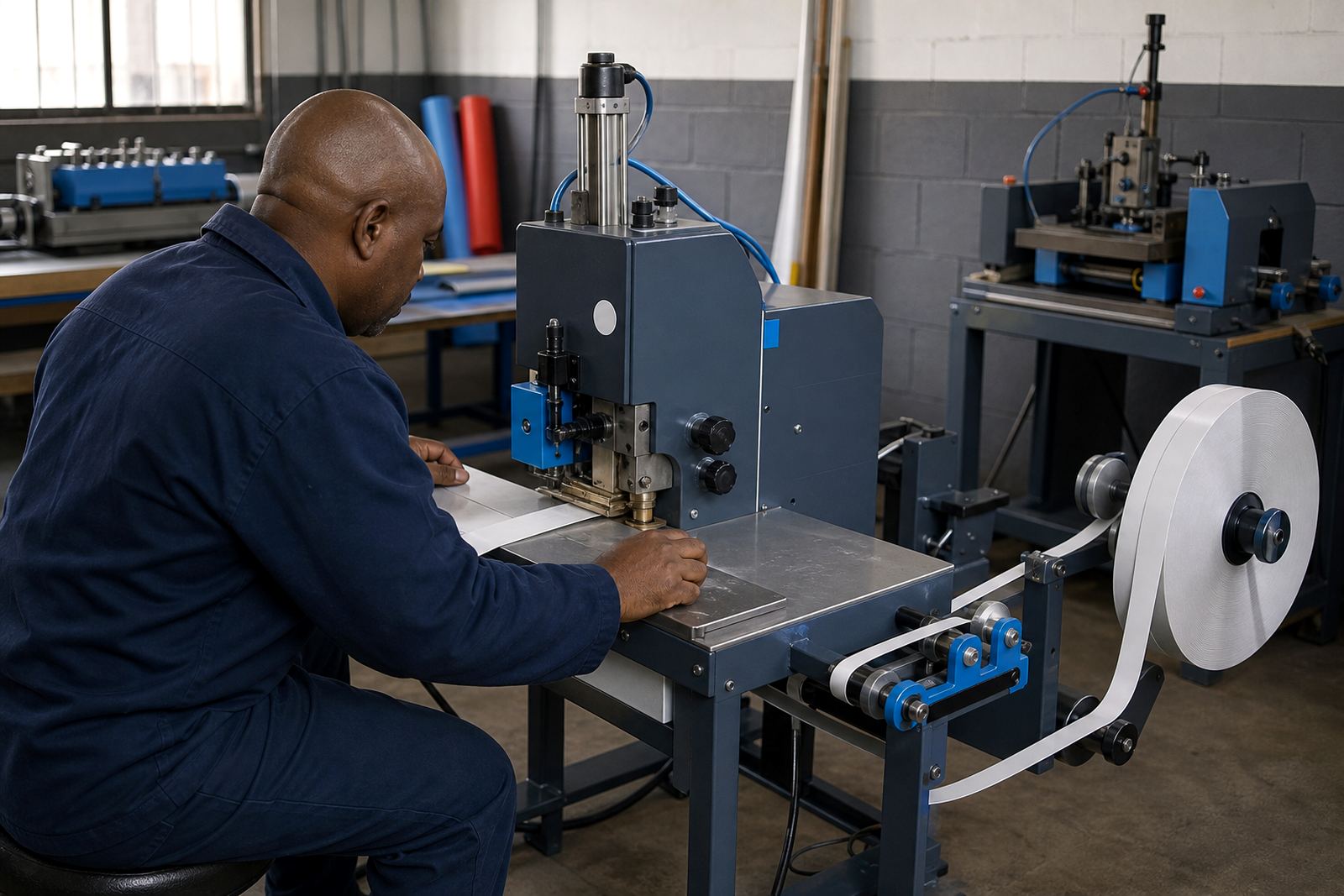
The narrow web welder is made for short runs, strip work and tight seam lines on PVC-coated fabric. In practice that means reinforcement tapes, edge binding, overlap seams, pocket work and detail joins where a full width welding head would be hard to manage. For tarpaulin, banner and tent production, it is often the machine that handles the finishing work that makes the whole job look right.
Depending on the build, the machine may use high-frequency welding for clean, fast bonding on compatible PVC coated fabrics, or hot-air and hot-wedge methods for seam work on lighter assemblies and site-fitted jobs. The right choice depends on the material thickness, the seam profile needed and the pace of production in the workshop.
- Suitable for narrow strips, reinforcement bands and edging work
- Used on PVC-coated fabrics, tarpaulin offcuts and banner assemblies
- Helps with detail seams where accuracy matters more than width
- Available in workshop and production line formats
Where this machine fits in the workshop
This type of welder suits shops that produce signage panels, tent components, truck tarps, gazebo side walls, valance strips and small repair sections. In Durban and other coastal areas, many operators want tidy seams that hold up under humidity and salt air, especially where eyelets, hems and folds are worked close together. In Johannesburg, Pretoria and the other inland centres, the same machine is often used for higher output on repetitive strip welding and small-format assembly.
It is also useful where a job needs mixed seam construction. A workshop may weld a narrow hem first, then add a keder strip or a doubled reinforcement on the same panel. That is why the width of the weld head, the guide setup and the pressure control matter so much on this machine.
- Banner edge finishing and pocket seams
- Keder strips for tent and track applications
- Reinforcement bands on stress points and corner areas
- Eyelet backing strips and tab work
Sizes, controls and working options
Most narrow web welders are selected by working width, material thickness and the style of feed control required. A smaller head gives better visibility on fine work, while a longer narrow head helps on repeat strip welding. Some units are manual feed, while others use guided rollers or powered advance systems to keep the seam line steady. For high-frequency machines, matching electrode width and pressure is important for a clean bond and even heat distribution. For hot-air or hot-wedge machines, temperature, airflow and travel speed must be set to suit the fabric and the seam profile.
When specifying the machine, it helps to confirm the following:
- Narrow welding width required, such as 20 mm, 30 mm or another set size
- Material type and thickness, including PVC-coated tarpaulin or banner stock
- Preferred seam style, such as overlap, hem, pocket or reinforcement strip
- Whether the work is workshop based or for on-site fitting
- Power supply available in the workshop or at the installation point
- Need for guides, stops, rollers or interchangeable tooling
Seam types, hems and detail finishing
A narrow web welder is especially useful where the seam itself is part of the finished product. Many tarpaulin and display jobs need straight hems, folded edges, narrow overlaps and clean internal reinforcement. The same machine can also help with keder insertions and edge strips, where the fold has to stay even from end to end. On eyelet jobs, it is commonly used to build up the backing area before punching, so the fabric does not tear under tension.
Good seam work depends on clean material preparation. Edges should be free of dust, release residue and damp patches, and the operator must keep the feed line straight to avoid wandering seams. On hot-air and hot-wedge work, a small change in temperature or pressure can affect the bond, so test pieces are worth doing before production starts. In high-frequency work, tooling condition and electrode alignment are just as important as the set-up itself.
- Overlap seams for tarpaulin panels and banner joins
- Double folded hems on exposed edges
- Keder strip attachment for tracks and tent profiles
- Reinforcement around corners, tension points and eyelet zones
Installation, fitting and operator safety
Fitting a narrow web welder needs proper positioning, level support and the correct electrical supply where the model uses mains power. The machine should be installed with enough working space around the feed area and enough room for material handling on both sides. If a workshop uses compressed air for clamping or specific controls, the line must be clean and stable. For site callouts, the setup must be planned around access, floor space and the material path so that panels can move smoothly through the machine.
Operator safety matters on every shift. Guards, foot controls, heat zones and pinch points must be understood before work starts. Hands should stay clear of the welding line, and loose clothing or straps should be kept away from the feed path. Where high-frequency equipment is used, the operator should follow the machine settings closely and avoid using worn tooling. Hot-air and hot-wedge units also need attention to airflow, nozzle condition and heat shields.
- Set the machine on a level, stable floor area
- Check supply requirements before installation day
- Keep feed rollers, guides and clamping faces clean
- Train operators on seam control and safe handling
Servicing that keeps the weld line even
A narrow web welder stays dependable when the working parts are checked before problems show up in the seam. Preventive servicing usually includes roller checks, guide alignment, cleaning of contact areas, fastener inspection and control verification. On high-frequency units, electrode condition and alignment are key. On hot-air and hot-wedge machines, the heating element, nozzle, wedge, rollers and pressure settings need regular attention. If a workshop runs in dusty conditions or near the coast, grime and moisture can work their way into moving parts faster than expected.
When a seam starts to look uneven, common causes include worn rollers, misaligned tooling, loose guides, dirty surfaces or heat settings that no longer match the fabric. Fault finding should look at the whole path of the material, not only the visible weld line. Replacement parts and refurbishment work are often quicker and more cost-effective than pushing damaged tooling through another shift.
- Preventive servicing for workshops in Germiston and across South Africa
- Electrode refurbishment and roller replacement where required
- Tooling alignment to keep the seam line straight
- Seam testing after service or set-up changes
Confirm these details before placing the order
To match the narrow web welder to the job, confirm the fabric type, the seam width, the intended seam style and whether the work is for tarpaulins, banners, tents or repair sections. It also helps to know if the machine will be used for regular production, occasional detail work or mixed workshop jobs. Some operators need a compact unit for smaller strips, while others need a heavier build with steadier pressure for repeated seam work.
When requesting supply or servicing, it is useful to note the site area, the machine condition and whether the work is in Germiston, Johannesburg, Pretoria, Durban, Cape Town, Bloemfontein, Boksburg or Benoni. That helps with parts planning, installation support and the correct tooling selection. Mandla Mnisi leads the team, with support from sales, service, installation, training and parts staff who handle this trade every day.
- Machine type required, high-frequency or hot-air or hot-wedge
- Seam width and product format
- Fabric thickness and coating type
- Power details and workshop layout
- Need for installation, training, servicing or parts supply
Key facts
| Machine type | Narrow-format welder for PVC-coated fabric detail work |
|---|---|
| Working method | High-frequency or hot-air or hot-wedge, depending on build |
| Typical seam use | Hems, overlap seams, reinforcement strips, keder and eyelet backing |
| Material range | PVC-coated tarpaulins, banner stock and tent components |
| Control features | Adjustable guides, pressure control and repeatable feed alignment |
| Service support | Installation, commissioning, training, servicing, fault finding and parts supply |