Straight Seam Production for Heavy PVC Sheet Work
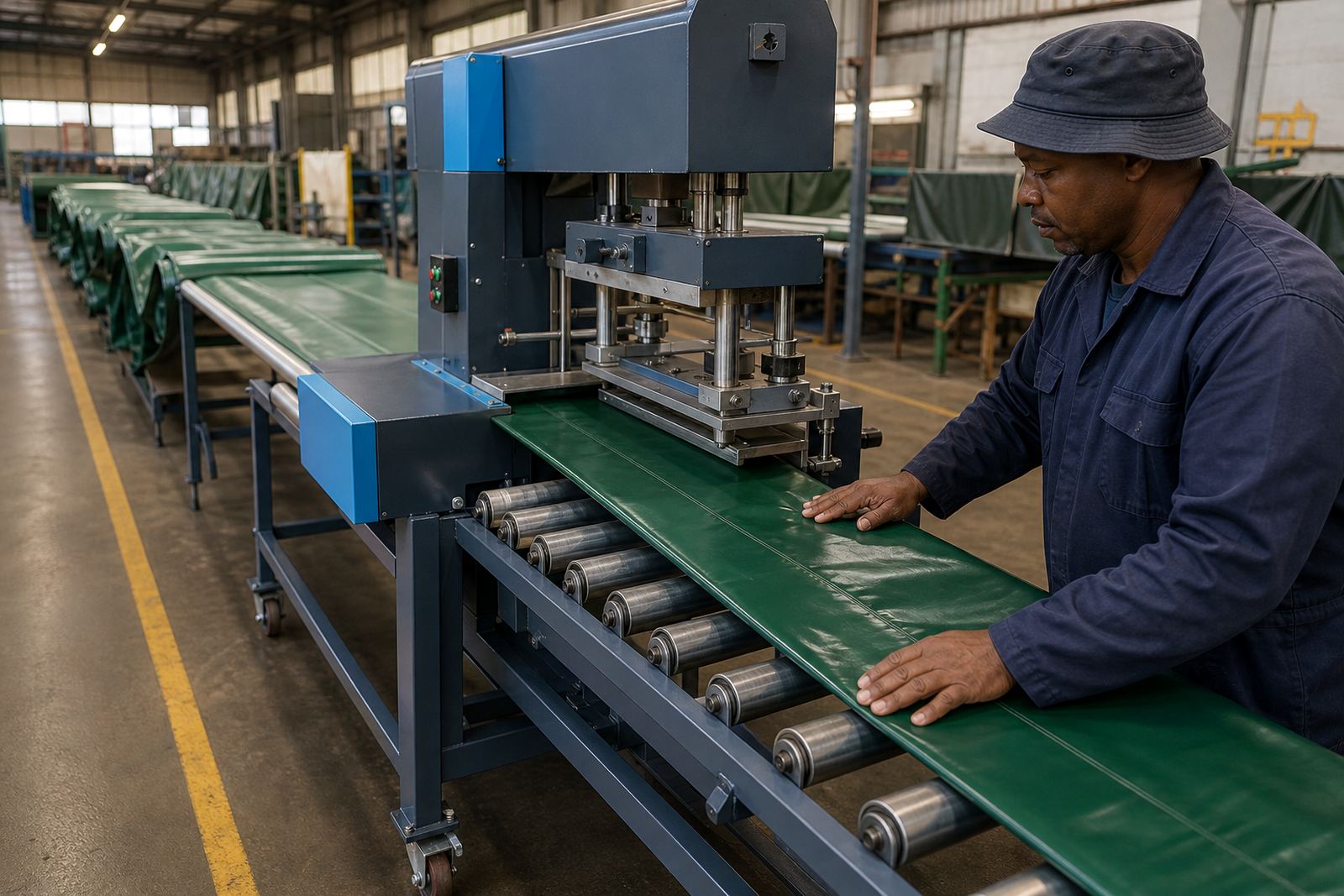
This machine is used for joining wide tarpaulin panels into longer runs, roof sections, side walls and cover assemblies. On PVC-coated fabric, the weld line forms a bonded seam that is neater than stitched joins and better suited to outdoor work where wind, rain and handling put strain on the edge. For shops handling truck covers, marquee walls, banner panels or industrial sheeting, it gives a controlled line for long seams that need to stay true across the full length.
Depending on the build, the machine is set up for high-frequency welding or for hot-air and hot-wedge work. High-frequency welding is often chosen for PVC-coated fabrics where a clean, pressed bond is needed across matched layers. Hot-air and hot-wedge methods are used where the operator needs heat at the seam edge, especially on heavier panels and formed sections. The right choice depends on fabric thickness, coating type, seam width and the finish required on site or in the workshop.
Panel Sizes, Seam Widths and Working Options
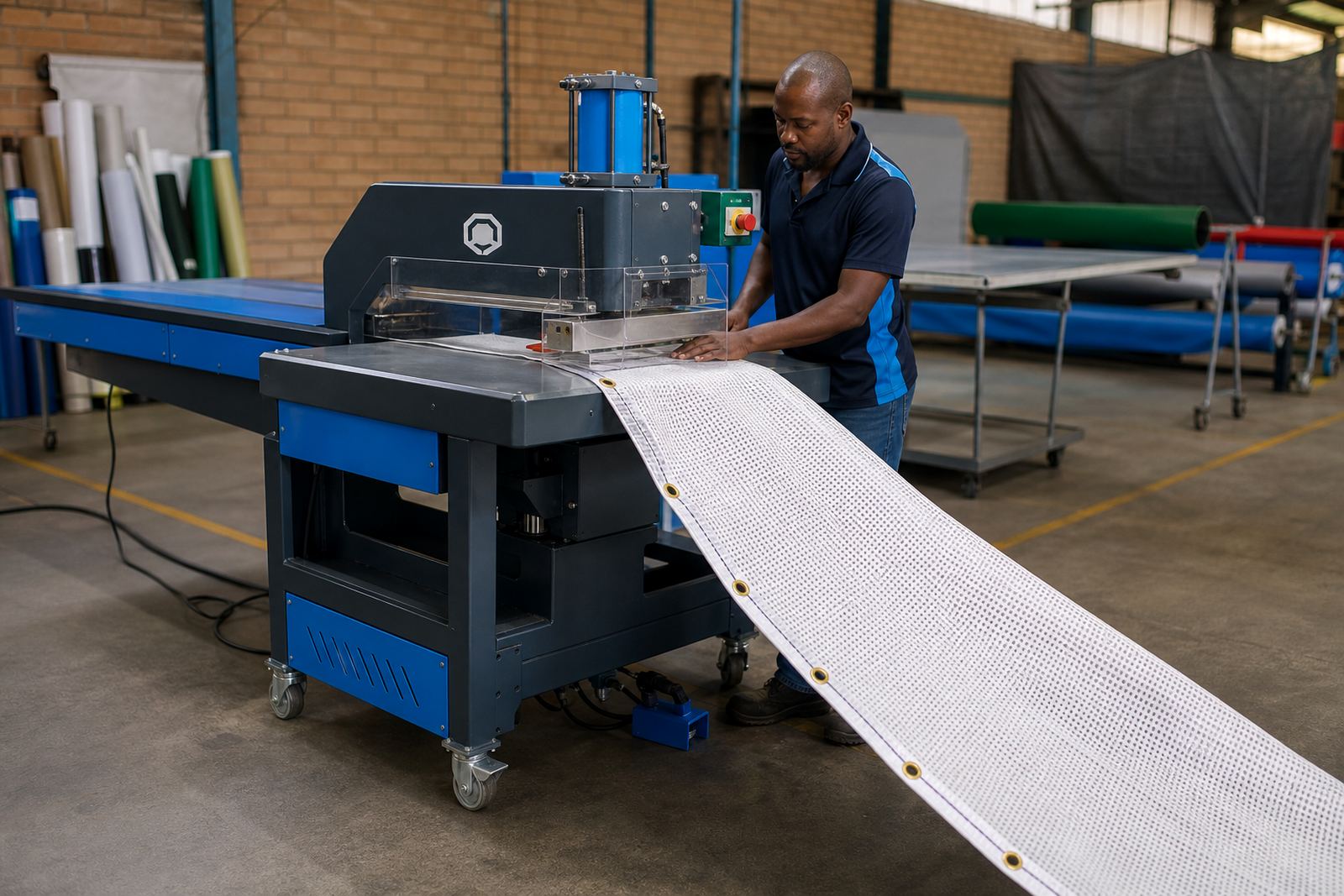
Tarpaulin panel welders are normally specified by table length, throat depth and the welding head arrangement. A longer table helps when handling broad sheets for freight covers or large event walls, while a wider working area gives room to align layered panels before the weld starts. On some jobs a single straight seam is enough, on others the machine has to support hems, overlap joins and accessory strips in the same production flow.
- Working width for standard panel runs and long straight joins
- Adjustable seam width for overlap, edge finishing or reinforcement
- Heat and pressure settings matched to PVC-coated tarpaulin grades
- Guides for repeated panel spacing and cleaner alignment
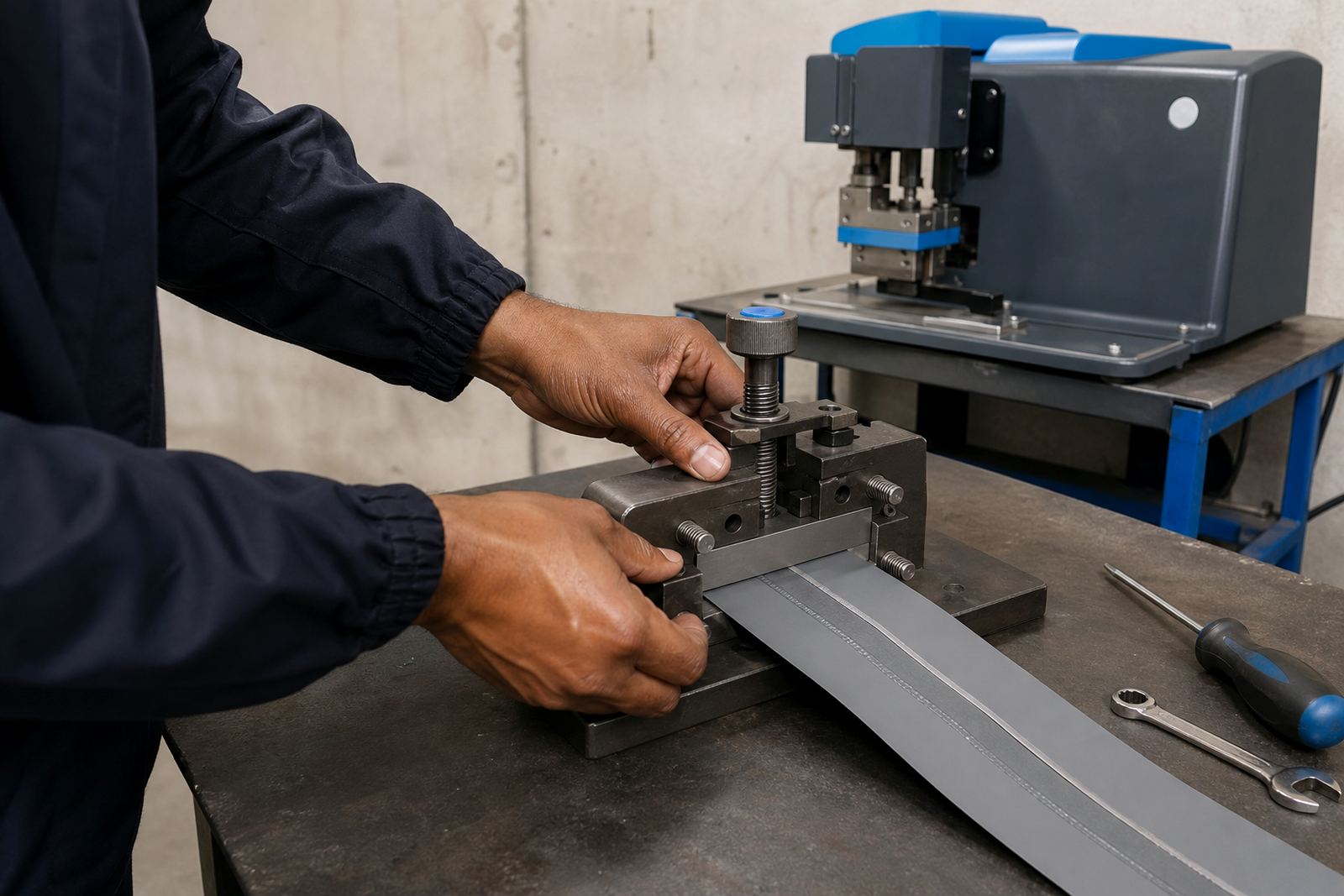
- Optional fixtures for keder, webbing, eyelet zones and corner reinforcements
For Cape Town and Durban work, where coastal humidity can affect fabric handling and storage, a stable setup is useful for keeping panels flat and positioned before welding. In Johannesburg, Pretoria and Germiston workshop spaces, the same machine is often used for larger batch runs where consistency matters from the first panel to the last.
Where the Machine Fits in Tarpaulin, Banner and Tent Shops
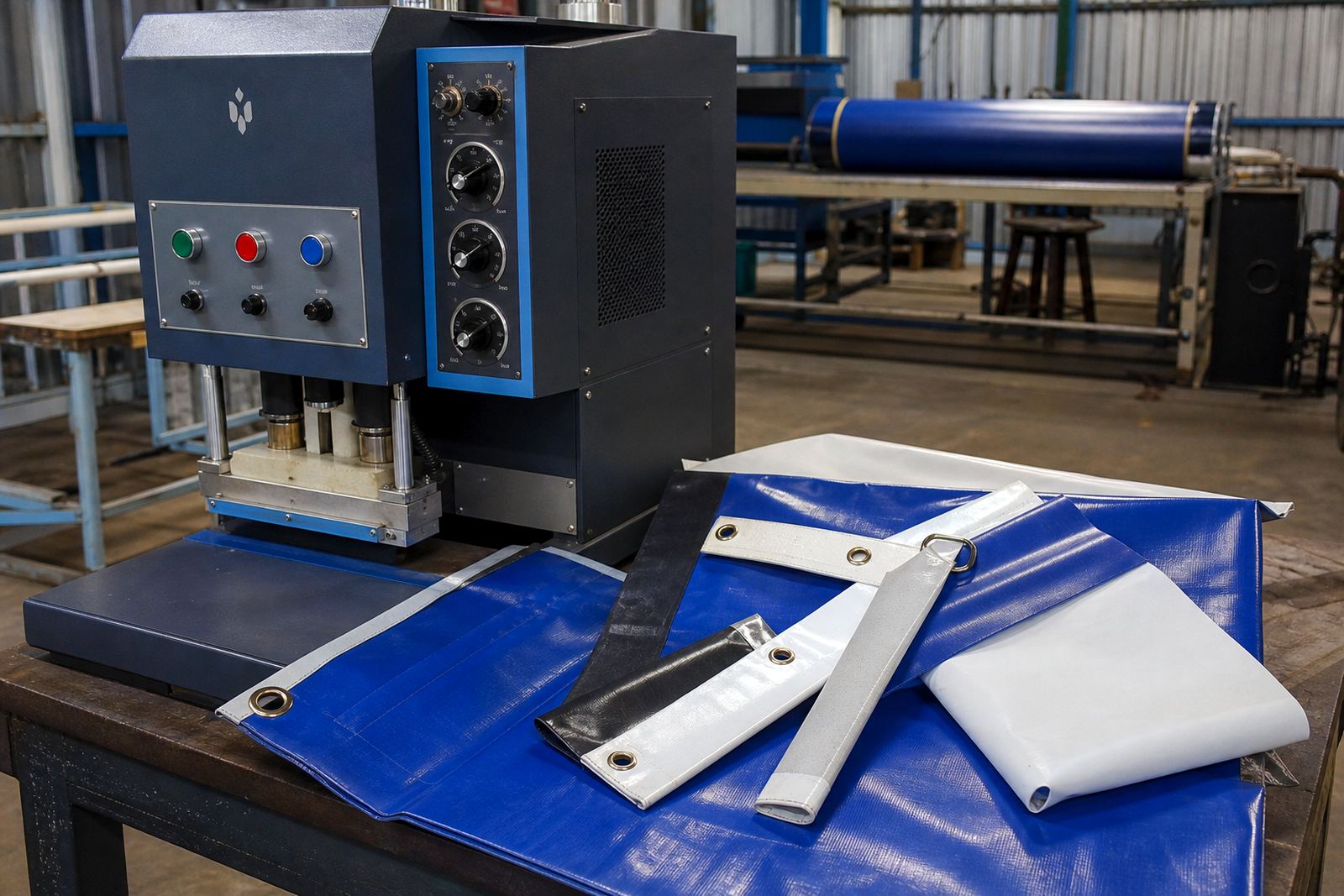
This type of welder suits producers making tarpaulins, billboard skins, banner assemblies, shade structures, tent panels and industrial covers. It also works well where the same workshop handles straight seam joining and finishing tasks such as hems, keder pockets and reinforced eyelet zones. For event work and signage production, it is common to use it on large format PVC-coated sheets that must stay flat and accurate once installed.
Typical uses include:
- Long panel seams for truck and trailer covers
- Banner joins for large printed sections
- Hems on exposed edges for added strength
- Keder strips for track-fed tent or awning systems
- Reinforcement patches and eyelet areas
Because the work is often handled in batches, the machine should match the shop’s usual sheet size and output pace. A Germiston-based production floor supplying across South Africa may need a different layout from a smaller Pretoria or Bloemfontein shop. The point is to match the machine to the material flow, not force the material around the machine.
Installation, Fitting and Site Readiness
Installing a tarpaulin panel welder takes more than setting it on the floor and switching it on. The machine needs level placement, operator space, safe loading room and access for routine servicing. High-frequency units need proper electrical provision and earthing arrangements that suit workshop conditions. Hot-air and hot-wedge systems need a layout that keeps the operator clear of heated parts and moving guides while panels are being positioned.
When fitting out a workshop, check the ceiling height, table clearance, floor loading and access for moving large rolls or cut sheets. If the unit will be used for straight runs on oversized tarpaulins, allow enough space at both ends for feed and take-off. In many South African shops the machine is put into a mixed production line, so the position should support welding, trimming, marking and eyelet work without constant lifting and turning of heavy fabric.
- Power supply suited to the machine specification and workshop layout
- Level floor space for accurate seam tracking
- Clear operator access around the weld zone
- Space for handling full sheets and finished panels
- Safe placement for tools, dies, guides and offcuts
Operator Safety and Day-to-Day Care
Operators should be trained to keep hands clear of the weld point, follow correct start-up checks and use the machine’s guides and controls as intended. On high-frequency equipment, guards and control settings help manage the work area, while hot-air and hot-wedge machines need careful handling around heated zones. Good practice also means stable material feeding, correct overlap and clean surfaces before each weld. Dust, release agents and damaged coatings can spoil a seam fast.
Daily care keeps production steady. Wipe down the table and guides, inspect the weld surfaces, and check rollers, electrodes or heat elements for wear. A machine that works with tarpaulin panels all day sees pressure, heat and fabric residue, so small faults can turn into poor seam quality if left alone. In humid coastal conditions, and in workshops where fabric dust builds up quickly, it pays to keep covers, guides and contact areas clean and dry.
- Check seam quality at the start of each shift
- Remove fabric dust and PVC residue from contact surfaces
- Inspect rollers, guides and electrodes for damage or uneven wear
- Keep spare tooling and consumables listed for the machine model
- Schedule servicing before pressure or alignment problems spread
Ordering Details That Must Be Confirmed First
Before ordering, confirm the fabric type, sheet thickness, seam width and the exact jobs the machine will handle. A tarpaulin line for truck covers may need different tooling from a banner shop producing long straight joins and keder edges. It also helps to confirm the panel lengths, preferred welding method, workshop power setup and whether the machine must handle hems, eyelet reinforcement or guided edge finishing in the same line.
Useful details to send with an enquiry include the material sample, intended seam type and the widest panel size to be handled. If the work includes service or aftersales support, note whether the machine will be used in Germiston, Johannesburg, Pretoria, Durban, Cape Town or Bloemfontein, since that affects fitting logistics and local support planning. For service shops and production houses, it is also worth confirming spare tooling, consumable parts and the expected maintenance routine from the start.
The tarpaulin trade runs on accuracy. A machine that suits the material and the shop layout will give straighter joins, cleaner hems and fewer reworks across the board.
Key facts
| Welding methods | High-frequency, hot-air or hot-wedge depending on build |
|---|---|
| Material suit | PVC-coated tarpaulins, banners, tent panels and cover fabrics |
| Seam types | Straight seams, overlap joins, hems and reinforced edge work |
| Accessory work | Keder strips, eyelet zones and reinforcement patches |
| Working setup | Long-panel handling with adjustable guides and pressure control |
| Support | Installation, operator training, servicing and parts support from Germiston |