Foot control for short-run PVC welding
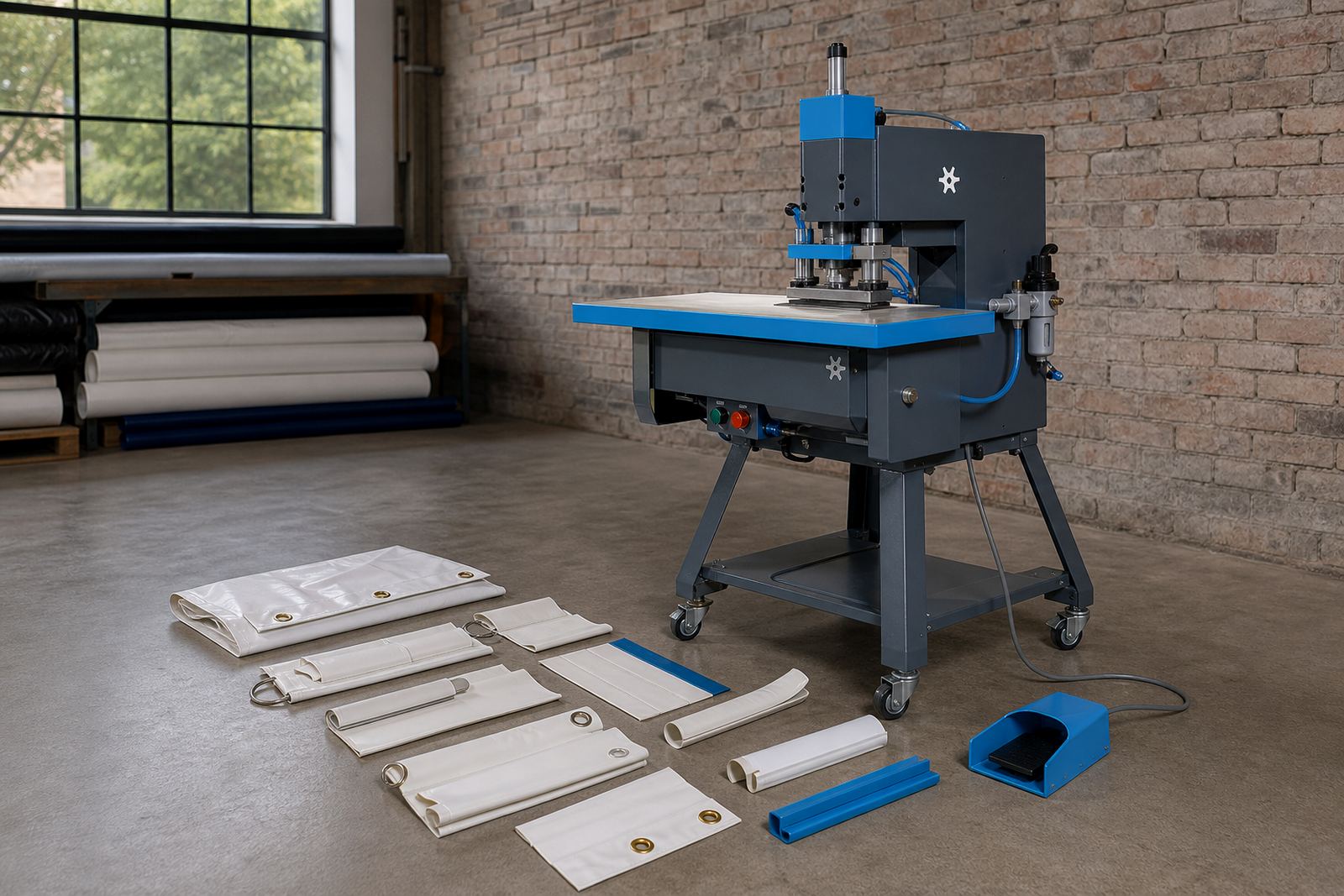
The Pedal HF Unit is a high-frequency, foot-operated welding setup used on PVC-coated fabrics where the operator needs both hands on the work and a clean, repeatable cycle. The foot pedal starts and holds the weld cycle while the material sits correctly in the tooling, which helps on smaller panels, pockets, flaps, labels and repair work where alignment has to be exact.
This type of machine is commonly used for radio frequency welding on coated textiles, though some workshops also pair a similar footprint with hot-air or hot-wedge preparation on compatible assemblies. For PVC banner and tarpaulin work, the better result usually comes from controlled pressure, correct electrode profile and a stable table surface. On light fabric jobs, a foot-operated cycle can save time where the operator would otherwise be reaching for controls with every seam.
- Suitable for straight seams, corner pieces and short weld runs
- Useful for hems, tabs, reinforcement strips and pocket work
- Helps maintain position on narrow or awkward assemblies
- Works well in small batch production and repair benches
What the unit is built to handle
The Pedal HF Unit is typically chosen for PVC-coated polyester and similar thermoplastic coated fabrics used in signage, shelter covers and outdoor display work. It is often set up for seam types that need a neat sealed edge, including lap seams, overlap welds and welded hems. With the right tooling, it can also support keder insertion areas, eyelet reinforcement zones and shaped sections that need consistent repeat placement.
In practical terms, the machine suits work where the seam line is fairly short and the operator needs direct control over each cycle. That makes it a sound fit for workshop teams doing tarpaulin repairs, banner finishing, tent accessory parts, small flaps and custom display components. On coastal jobs in Durban or Cape Town, good seam formation matters even more because humidity and outdoor exposure can expose a weak weld quickly.
- Welding for PVC-coated fabrics and coated technical textiles
- Seam work for hems, overlap joints and reinforcement patches
- Keder and eyelet area preparation with suitable tooling
- Clean cycle control for small assemblies and repair items
Sizes, tooling and common options
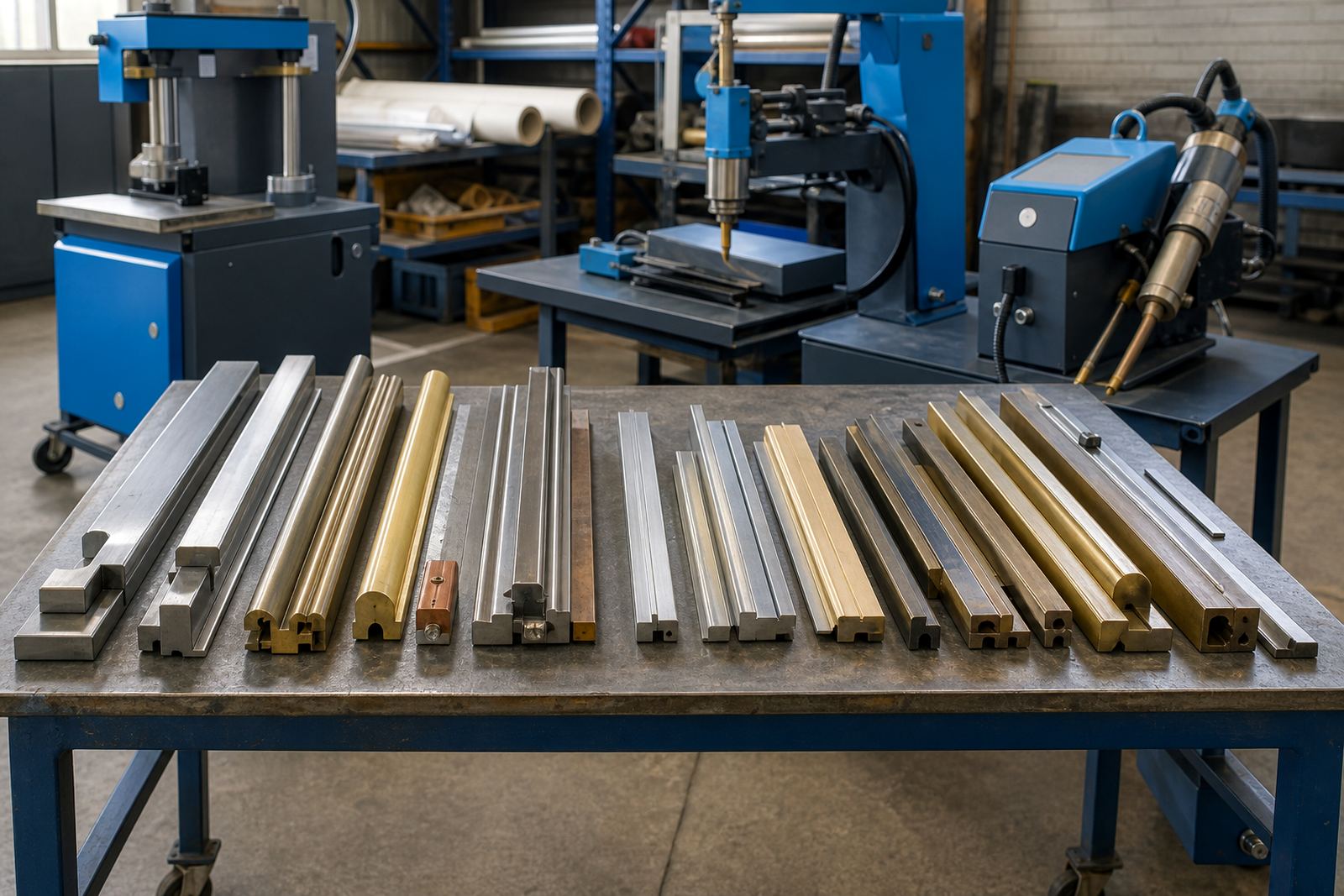
Pedal HF units are usually specified by platen size, throat clearance, output level and tooling arrangement. A smaller platen is better for compact parts, while a wider working area helps with banner panels, tent accessories and longer edge sections. The tooling can be set for flat seam work, raised seam detail, pocket forming or shaped inserts, depending on the product line and the kind of finish the workshop supplies.
Operators should confirm the working area needed for their biggest common job, not only the smallest one. A shop doing repair work in Germiston may want a compact machine for fast turnaround, while a team handling larger batches for Johannesburg, Pretoria or Bloemfontein may need more table space and better work support around the unit.
- Platen size and working area
- Output level matched to fabric thickness
- Fixed or changeable tooling
- Foot pedal travel and control feel
- Single-station or production bench layout
Fitting it into a workshop line
A foot-operated HF unit needs a stable bench or frame, correct power supply and enough room for the operator to position fabric without strain. Where the unit is used for high-frequency welding, proper earthing, operator guarding and trained use are important. If the workshop also uses hot-air or hot-wedge machines for prep or separate seam work, the flow between machines should allow easy handling of larger sheets without dragging or folding at the weld line.
For new fitting or relocation, the machine should be levelled, checked for tooling alignment and tested on the exact material used in production. That includes the same PVC weight, coating type and reinforcement detail the customer will weld day to day. On site callouts across Ekurhuleni, Johannesburg and Pretoria often uncover small issues like uneven pressure, loose tooling or poor table height rather than a fault in the machine itself.
- Electrical supply should match the unit specification
- Machine must sit level for even pressure across the seam
- Earthing and safety checks are part of commissioning
- Worktable height should suit the operator and material size
Care, safety and regular servicing
Like any production welder, the Pedal HF Unit needs routine servicing to keep seam quality steady. Electrodes, pressure faces, guides and moving parts should be checked for wear, scoring and build-up from adhesive residue or dirt. In many workshops, the first signs of trouble are a weak edge, a burn mark, or a seam that looks fine on one side and thin on the other.
Operator safety matters just as much as output. Guards, correct hand placement and clear pedal action help prevent poor handling and accidental cycle starts. If the machine has been moved or has been in storage, a service check is wise before returning it to full production. In humid coastal areas, keep an eye on corrosion on exposed fittings and make sure the machine is covered when not in use.
- Clean tooling and work surfaces before each shift
- Check pedal action and cable condition regularly
- Inspect electrodes, rollers and pressure faces for wear
- Book preventive servicing before seam faults start repeating
Details to confirm before ordering
When ordering a Pedal HF Unit, confirm the fabric types, seam style and workshop output needed, because those details shape the machine choice more than a general product name does. A banner shop in Cape Town may need a different setup from a tarpaulin repair team in Germiston, and a tent maker handling heavier coated cloth will often need different tooling again. If eyelet work, keder sections or reinforced hems are part of the job, that should be named upfront.
It helps to note the widest part you weld, the seam length you handle most often and whether the unit is for production, repair or both. If you need installation, operator training, tooling alignment or preventive servicing, those points can be set out with the order so the machine lands in the workshop ready for the actual workload.
- Fabric type and coating thickness
- Seam style: lap, hem, reinforcement or pocket
- Working width and part size
- Need for keder, eyelet or special tooling
- Site location for delivery, fitting or service support
Key facts
| Machine type | Foot-operated high-frequency welding unit |
|---|---|
| Primary use | PVC-coated fabric welding for tarpaulins, banners and tent work |
| Control method | Foot pedal cycle control |
| Typical seam work | Lap seams, hems, reinforcement strips, pocket and tab work |
| Support services | Installation, commissioning, training, servicing and fault finding |
| Coverage | Germiston and support areas across South Africa |