Forming tools that match the seam you are making
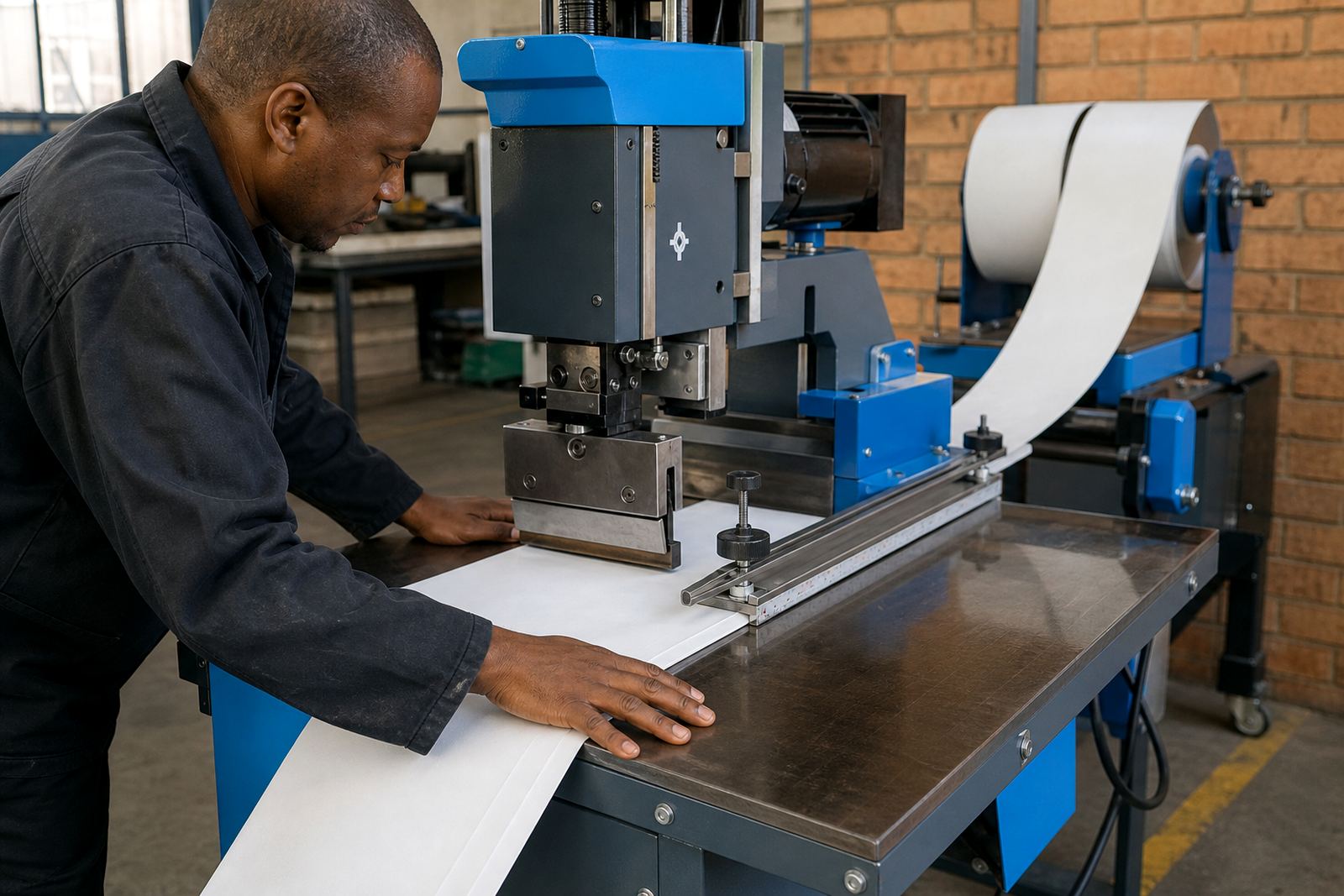
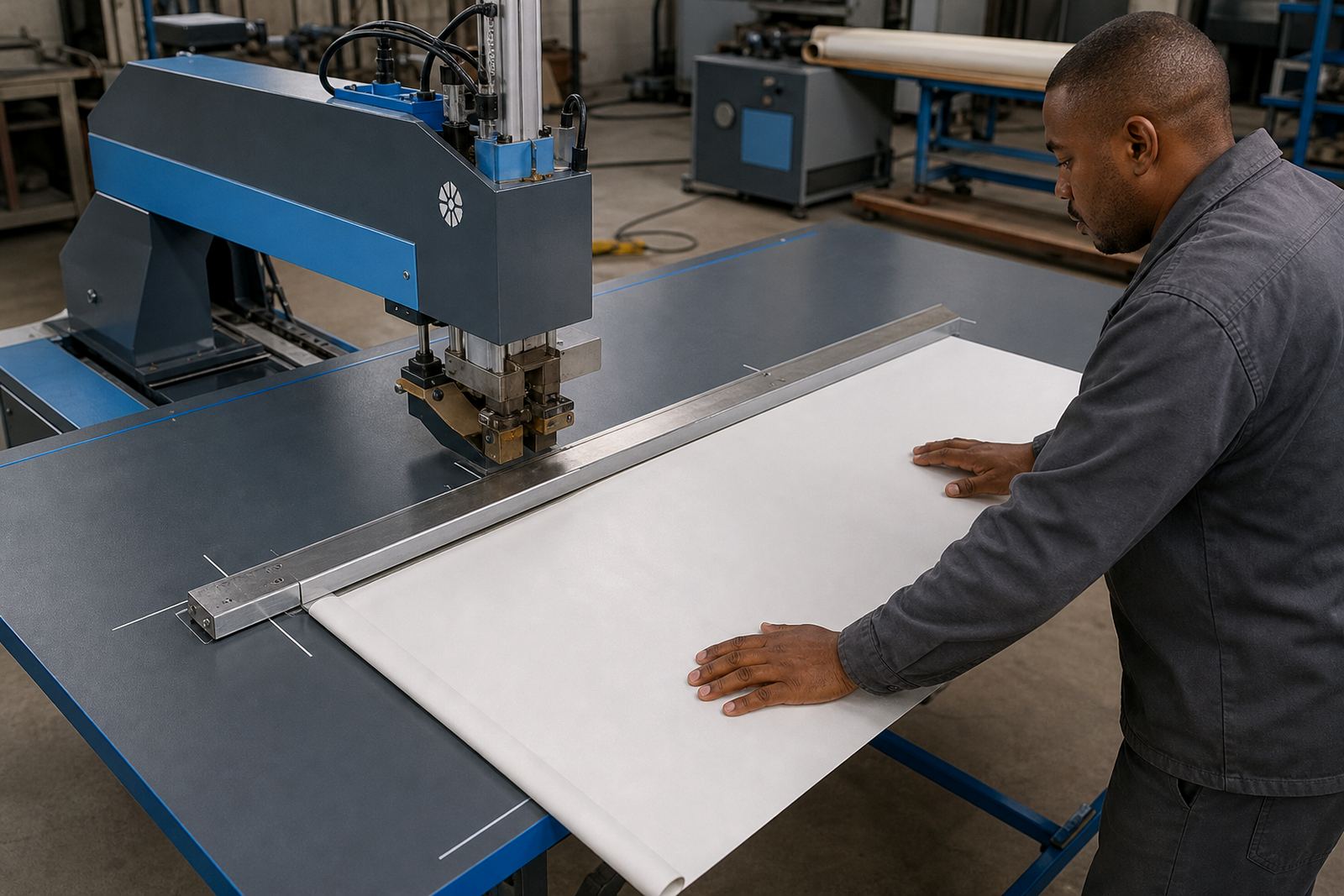
A tooling set is the working interface between the machine and the fabric. It shapes the PVC-coated material before pressure is applied, so the finished seam lands where it should and the fold stays consistent across the full length of the weld. On radio frequency machines, the tooling helps concentrate the weld area and keep the press line straight. On hot-air and hot-wedge machines, the right guide and pressure shoe support a neat fold with steady heat transfer.
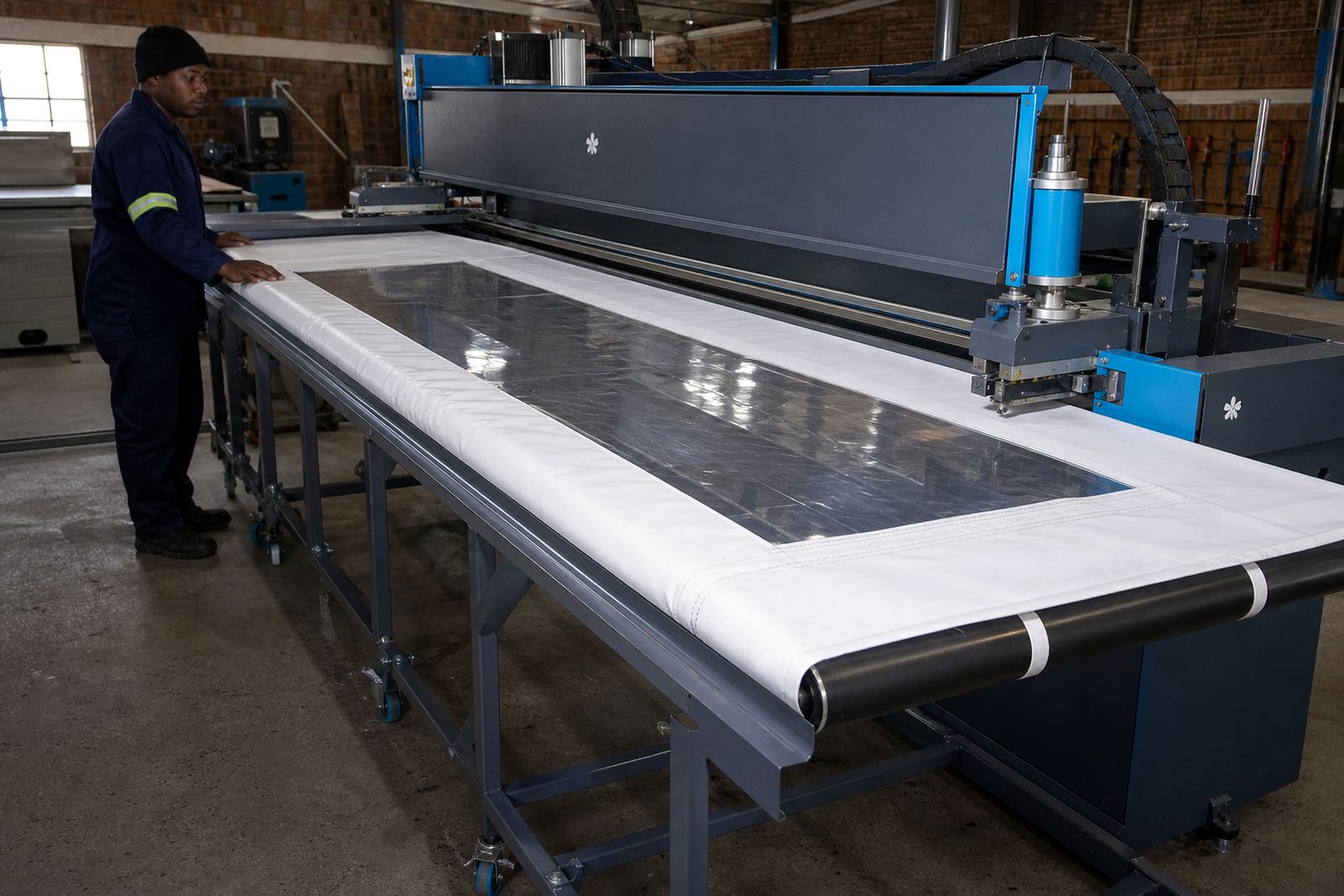
For tarpaulin makers in Johannesburg, Durban and Cape Town, the most useful tooling usually covers hem folds, pocket folds, overlap seams and reinforcement strips. Some sets also include profiles for keder insertion, edge binding and eyelet work. The exact shape depends on the machine throat, the fabric thickness and the way the job is finished. If a shop makes both short runs and long panels, a mixed set saves time because the operator can switch between common fold types without hunting for loose parts.
The main point is fit. A tooling set that suits 0.3 mm banner material may not suit heavier truck curtain stock or tent wall material. Matching the tooling to the material weight and the seam style gives cleaner edges and fewer rejects, especially on long welds where any drift becomes visible.
Common layouts used on tarpaulins, banners and tent panels
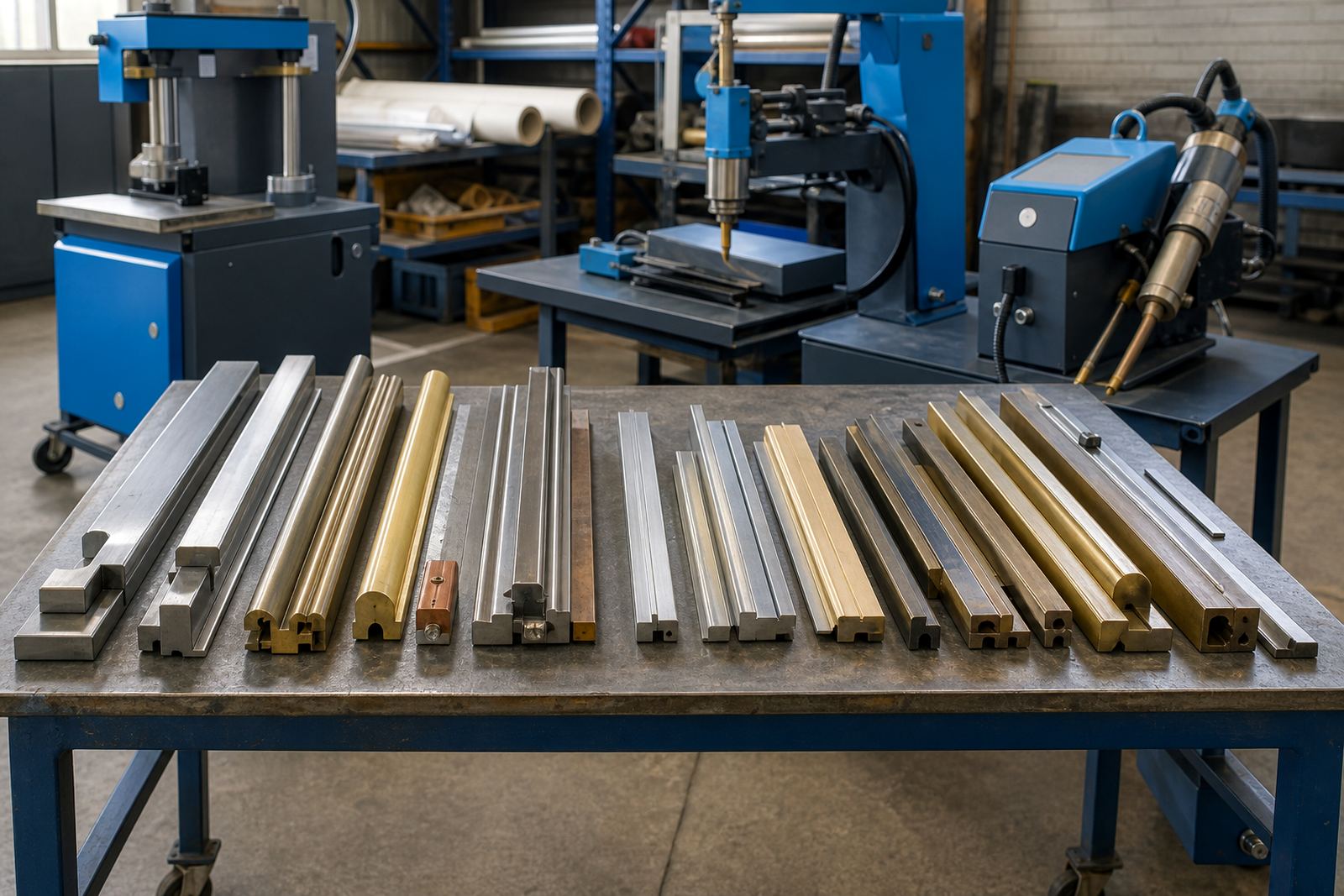
Most PVC welding shops use the same families of tooling, then choose the profile that suits the job. For banner work, a narrow hem tool is often used where a slim return is needed for neat finishing and edge strength. On tarpaulins, broader hem and pocket tools are common because the material must hold ropes, webbing or pipe pockets. On tents and shade structures, the tooling may need to form thicker edge build-ups so the panel can take clips, ropes or keder track fitment.
- Hem tooling for single and double folds
- Pocket tooling for pipe sleeves and rope channels
- Overlap tooling for joining two sheets with a controlled seam width
- Reinforcement tooling for corner patches and stress areas
- Keder tooling for corded bead edges used in frames and track systems
- Eyelet and punch support tooling for fixing points after welding
In coastal areas such as Durban and the Cape, operators often prefer tooling that keeps the edge flat and the fold tightly controlled, since humidity and handling can make some fabrics behave differently during production. A clean fold also reduces the chance of puckering when the finished panel is tensioned on site.
Sizes, profiles and machine fit
Tooling sets are selected to suit the machine bed, the pressure format and the seam width required on the finished product. Some sets are narrow and made for small format work, while others are built for wider industrial panels used in truck tarps, event structures and billboard skins. The important details are not only the overall length, but also the working face width, the shoulder height, the guide angle and the fixing method.
Typical options include straight forming shoes, stepped folders, keder guides and pressure bars for repeat work. Where a shop does mixed production, a set may include more than one width so that a 20 mm hem, a 40 mm pocket and a broader reinforcement fold can all be handled on the same machine. If the tooling sits too high or too low, the weld line can shift and the fabric edge may curl, which means more trimming later.
- Working width: narrow, medium or wide profiles
- Fold style: single hem, double hem, pocket, reinforcement or keder
- Mounting type: clamp fit, bolt fit or machine-specific holder
- Material contact face: polished or coated contact surface
- Use case: short runs, repeated batches or continuous panel work
For sites in Pretoria, Germiston and Bloemfontein, tooling selection also needs to match the machines already on the floor. A well matched set reduces setup time and helps operators keep the seam line straight from the first panel to the last.
Fitting the tooling and setting pressure correctly
Correct fitting is as important as the tooling itself. The forming piece must sit square, with no twist in the guide line or looseness in the mounting points. If the set is being used on a radio frequency welder, the electrodes and pressure face must be aligned so the weld lands evenly across the seam area. On hot-air and hot-wedge machines, the guide, roller and shoe must track the fold without dragging the fabric or pressing too hard into the melt zone.
Installation usually starts with checking the machine throat, the bed level and the clearance around the fold path. After that the operator checks sample cuts and test folds to confirm the seam width, the pocket depth and the edge finish. This is where small differences matter. A millimetre off on a narrow hem is one thing, but on a long tarpaulin panel that same error can throw the whole finish out by several metres.
For workshops that produce the same work more than once, we suggest marking each tooling set for its intended seam type. That makes changeovers neater and helps the operator avoid mixing a keder guide with a standard hem profile. If the machine moves between day and night shifts, a tidy storage rack and clear part labels also help reduce handling damage.
Care, cleaning and safe handling on the shop floor
Tooling lasts longer when it is kept free of PVC residue, dust and adhesive build-up. Wipe the working faces after use while the machine is still in a safe condition, then inspect for burrs, dents or heat marks. A rough edge can mark the fabric, especially on glossy banner stock where every line shows. In humid coastal conditions, stored tooling should be kept dry and lightly protected against surface corrosion if the workshop is near the sea.
Operators should handle hot parts with care and use the correct protective gear when working around heated equipment. During servicing, the machine must be isolated before the tooling is removed or adjusted. A loose fitting or misaligned roller can affect the seam and may also create pinch points during operation. This matters on busy production floors where a few workers are moving between cutting, welding and finishing stations.
- Clean the tooling after every shift where residue builds up
- Check fixing screws, guides and clamps for looseness
- Keep polished faces free of nicks and scratches
- Store matched sets together so parts do not get mixed
- Inspect wear on pressure faces before long production runs
For service teams working across South Africa, regular checks are usually easier than waiting for a seam fault to show on a full production batch. A small issue at the tooling face can become a costly rework problem later.
Details to confirm before ordering a tooling set
To supply the correct set, the following details should be confirmed for the machine and the job. This avoids sending a profile that almost fits but does not sit correctly under pressure.
- Machine type: radio frequency, hot-air or hot-wedge
- Machine model and fitting style
- Fabric type and thickness
- Seam type required: hem, pocket, overlap, keder or reinforcement
- Working width and finished fold size
- Any eyelet spacing or reinforcement layout linked to the weld
It also helps to note whether the work is for banners, truck tarpaulins, tent walls or awnings, because each product line handles differently once tensioned. A banner edge that only needs a slim fold is not the same as a load-carrying tarp pocket or a keder edge for a frame system. When the full specification is clear, the tooling can be matched to the way the panel is cut, welded and finished on site.
Where a workshop services customers across Germiston, Johannesburg, Pretoria, Durban, Cape Town or Bloemfontein, keeping a standard record of machine and tooling details makes support work easier too. It helps with future servicing, spare part identification and repeat seam testing on the same equipment.
Key facts
| Product type | Forming and pressure tooling set for PVC welding machines |
|---|---|
| Compatible processes | High-frequency welding, hot-air welding and hot-wedge welding |
| Common seam types | Single hem, double hem, overlap seam, pocket fold, keder edge, reinforcement fold |
| Typical materials | PVC-coated tarpaulin, banner and tent fabrics |
| Fitment details | Machine-specific mounting, pressure alignment and guide setup |
| Care points | Clean contact faces, check wear, keep dry in storage and inspect fixing points |