Start With the Seam You Need to Hold
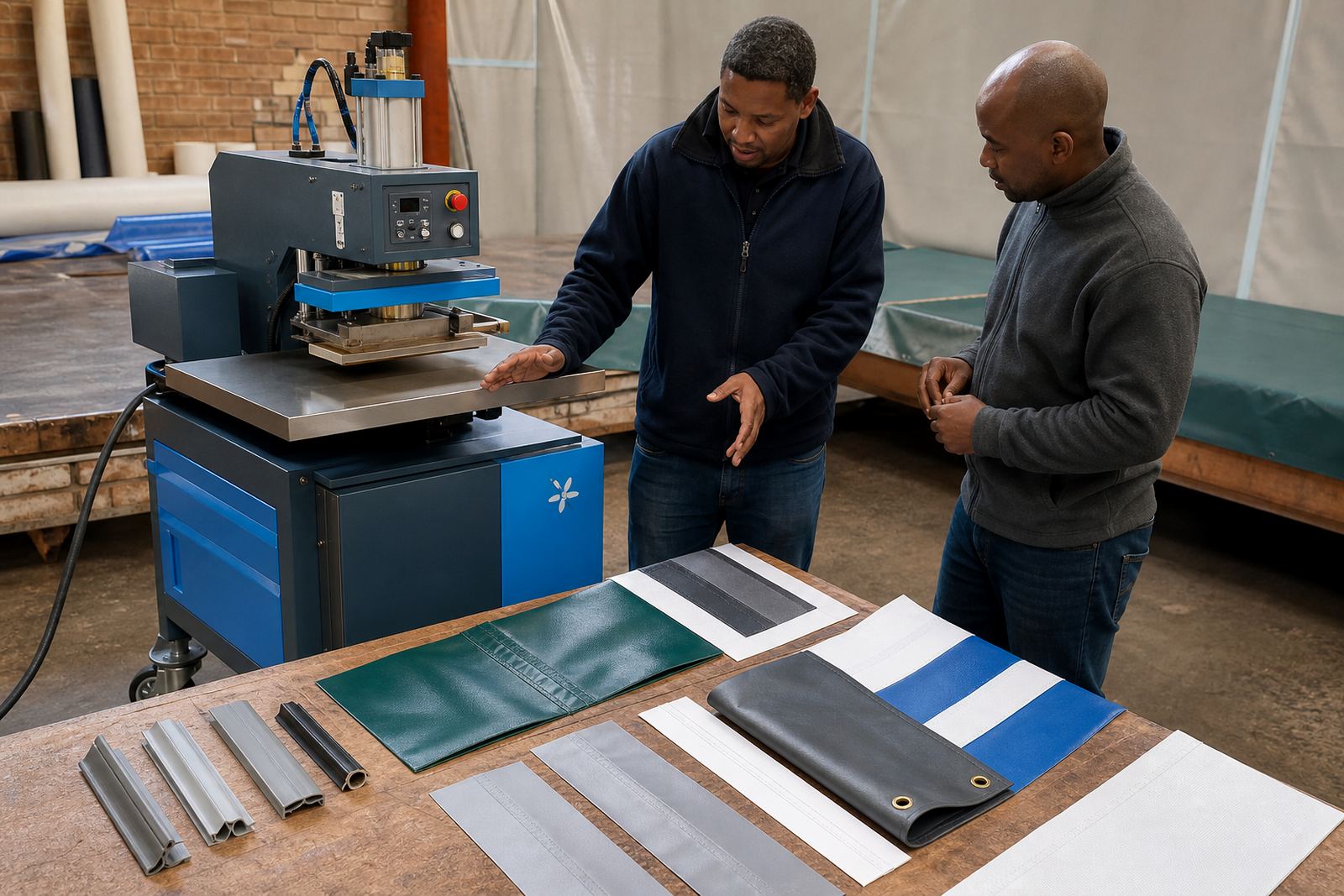
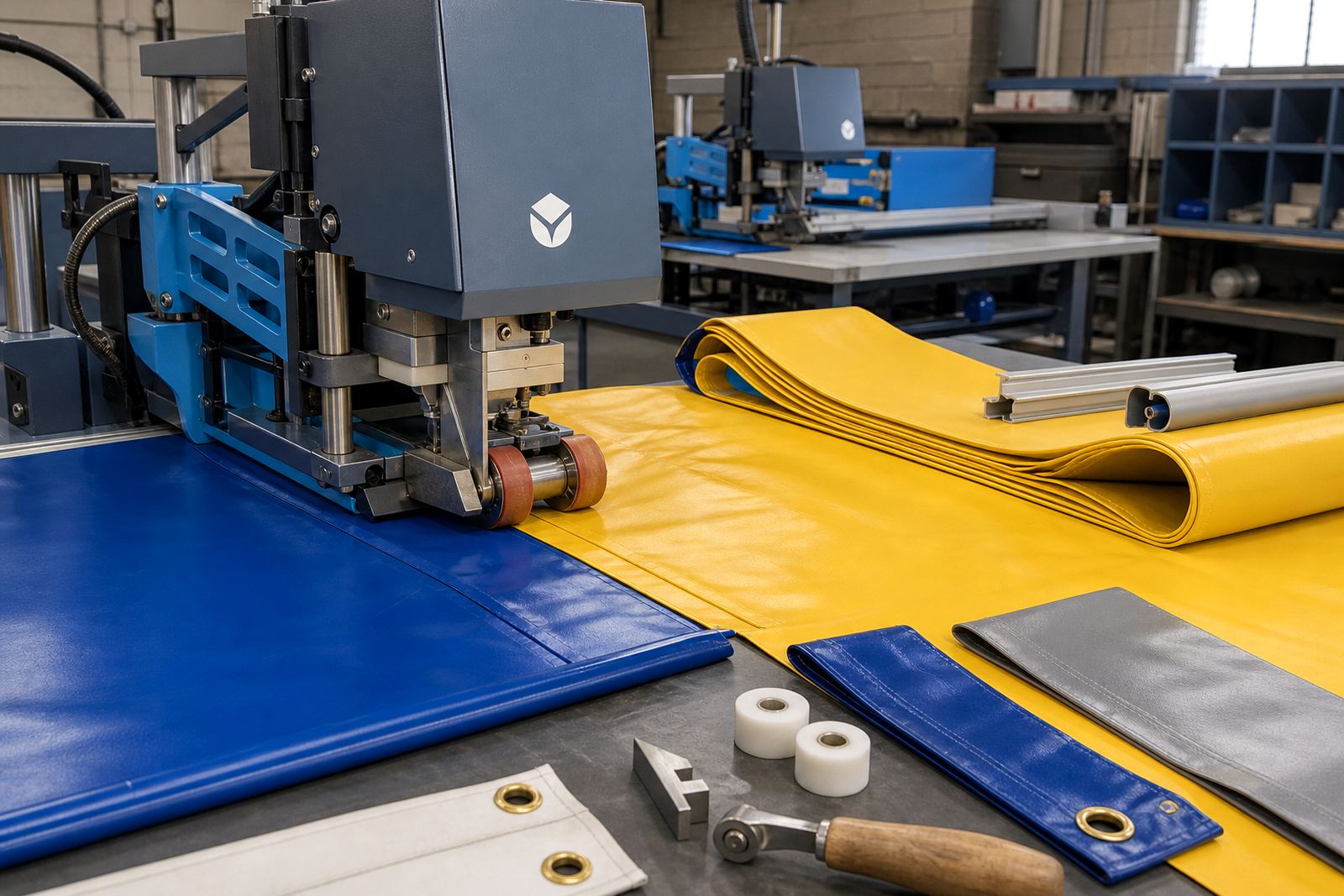
Before comparing machines, match the welding method to the products you make every week. High-frequency, also called radio frequency welding, suits many PVC-coated fabrics where clean seam control matters for tarpaulins, banners, tent panels and shaped covers. Hot-air and hot-wedge welding are often used where the fabric, seam width or production method calls for continuous feeding and controlled heat along the joint.
Ask what seam types the machine must handle in your workshop. A supplier should be able to talk through lap seams, hems, keder pockets, reinforced edges and eyelet preparation, not only the machine frame and power rating. If you make goods for outdoor use in Durban humidity or coastal Cape Town air, you also need a setup that holds alignment and heat consistency through long shifts, not just on paper.
What Service Access Looks Like in Real Use
Service access is not a paperwork detail. If a weld head drifts, a roller wears unevenly or an electrode needs refurbishing, your output can drop fast and scrap piles up. Buying without a practical service plan can leave a workshop waiting while orders sit half-finished.
- Machine installation and commissioning at your site
- Operator training on setup, seam control and daily checks
- Preventive servicing for moving parts, heating elements and alignment
- Fault finding for weak seams, scorch marks and inconsistent pressure
- Tooling alignment, electrode refurbishment and roller replacement
- Site callouts and service plans for busy production periods
For a buyer in Germiston or Boksburg, it helps if the service team understands local production pressure and can work on the same class of equipment you will use every day. That support matters most when a machine is running hard and a small fault turns into lost metres of work.
Parts Support That Keeps the Line Moving
Before you sign off on a purchase, ask what parts are commonly kept for the machine family you are considering. A good parts setup covers wear items, electrical components, rollers, electrodes and tooling pieces that need regular replacement. If those parts have to be chased from far away, a short stoppage can become a full week of lost production.
In South Africa, especially for businesses supplying Johannesburg, Pretoria, Durban, Cape Town and Bloemfontein, the value of local parts support is easy to underestimate. When a machine is used for tarpaulins, banners or tent work, the difference between a stocked part and a delayed part is often the difference between finishing a job or pushing delivery back. Keep a written list of the parts you expect to need in the first 12 months, and ask how they are identified and fitted.
- Electrodes and matching tooling inserts
- Rollers and pressure components
- Heating and control parts for hot-air or hot-wedge systems
- Consumables linked to routine servicing
- Spare items for the seam widths you use most often
Training for Operators, Not Just Machine Buyers
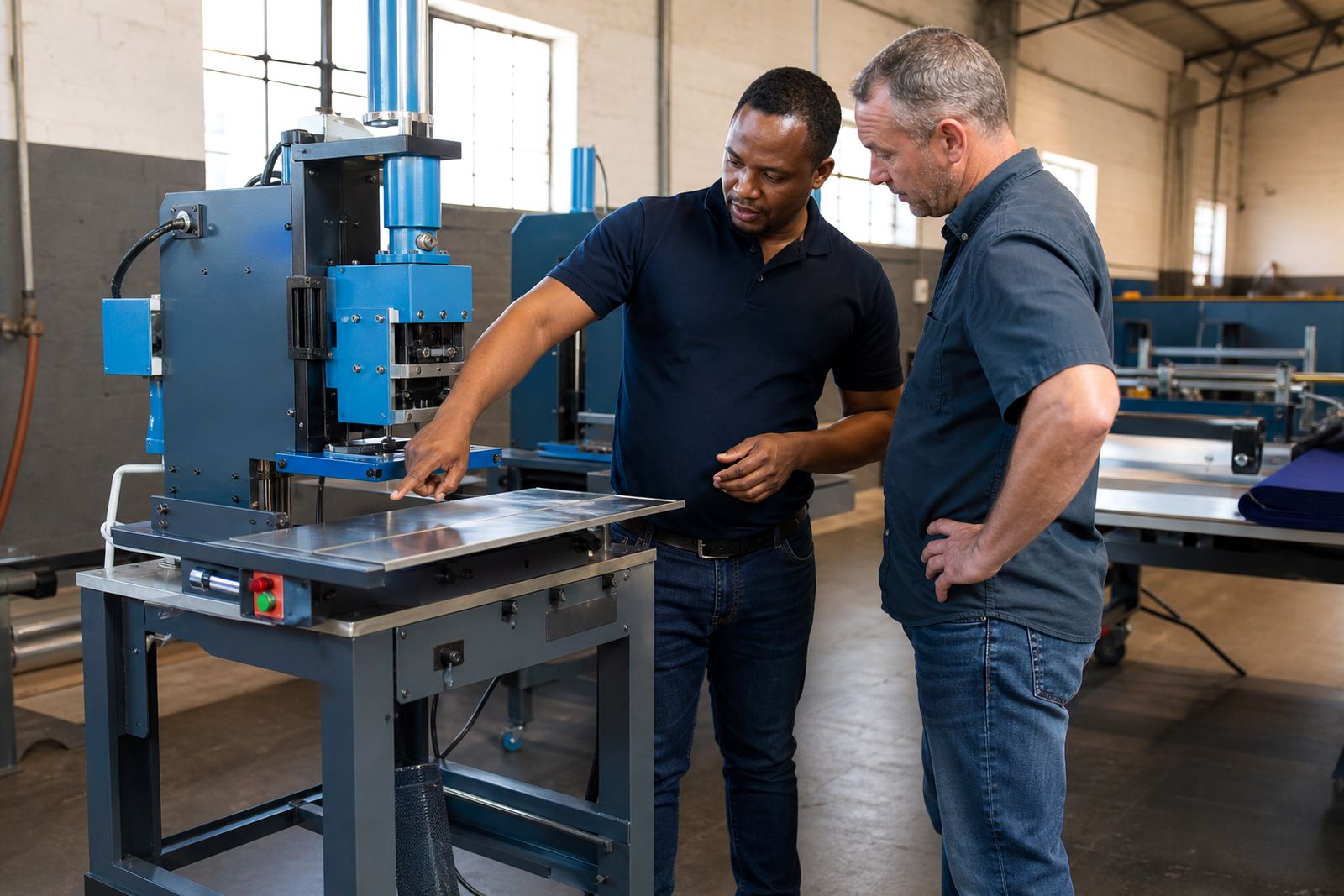
A machine can only perform as well as the person setting it up. Training should cover temperature control, pressure, dwell time, feed speed and the inspection of completed seams. For PVC-coated fabrics, a trained operator spots under-welded edges, overheating and poor overlap long before the job leaves the table.
When you ask about training, listen for practical detail. Your team should know how to set up hems, fit keder correctly, place eyelets without tearing the fabric and check seam strength before a large batch runs. A workshop in Pretoria or Bloemfontein may work with different fabric thicknesses and production runs than a signage shop in Durban, so the training should reflect the work you actually do.
A Buying Checklist for the Workshop Floor
Use a simple checklist before the purchase decision. It helps you compare machines on real operating needs instead of just brochure claims. The best choice is usually the one that suits your fabric, your output and the support available after installation.
- Does the machine suit PVC-coated fabric thickness and seam width requirements?
- Can it handle hems, keder work and eyelet reinforcement where needed?
- Is installation and commissioning part of the package?
- Will the team receive operator training on your actual products?
- Are parts, tooling and wear items available from local support?
- Is preventive servicing available for your production schedule?
- Can the supplier assist with seam testing and fault finding after setup?
If the answer is vague on any of those points, ask for more detail before buying. A lower purchase price can cost more later when the machine needs service and nobody nearby understands the settings or tooling.
What a Proper Support Conversation Should Cover
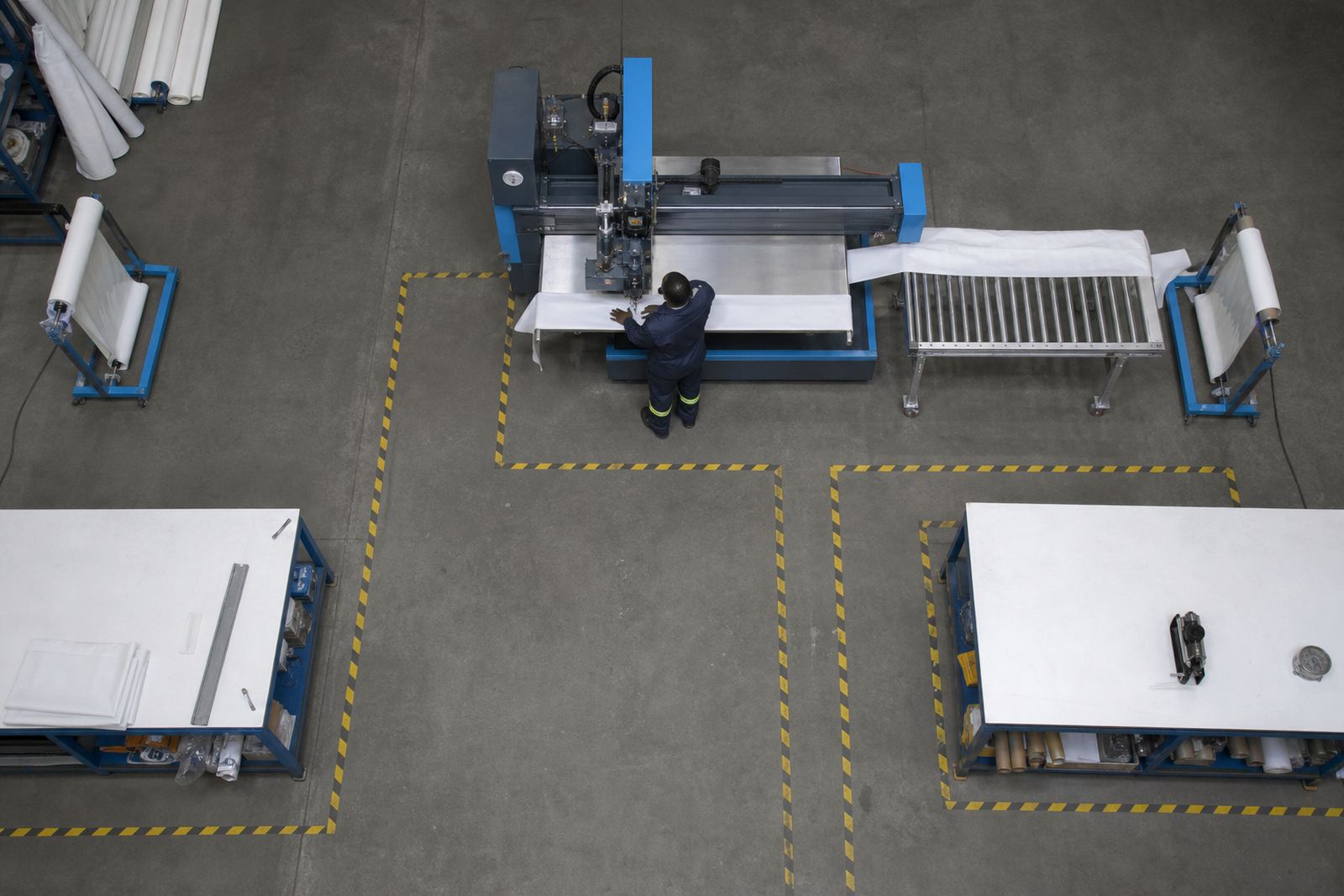
A serious supplier should be ready to discuss the whole working picture: the machine, the seam, the operator and the maintenance cycle. That means talking about workshop layout, safety around heat and moving parts, guarding, cleaning routines and the way different fabric weights behave on the same welder. A solid answer will sound practical, not vague.
At PVCWelder in Germiston, Ekurhuleni, the focus is on high-frequency and hot-air PVC welding equipment for tarpaulin, banner and tent makers across South Africa. The point is not only to supply a machine but to back it with installation, servicing and support that fit actual production, whether the workshop is in Johannesburg, Cape Town, Durban, Pretoria or Bloemfontein.