Durban Workshop Brief And Coastal Wear Points
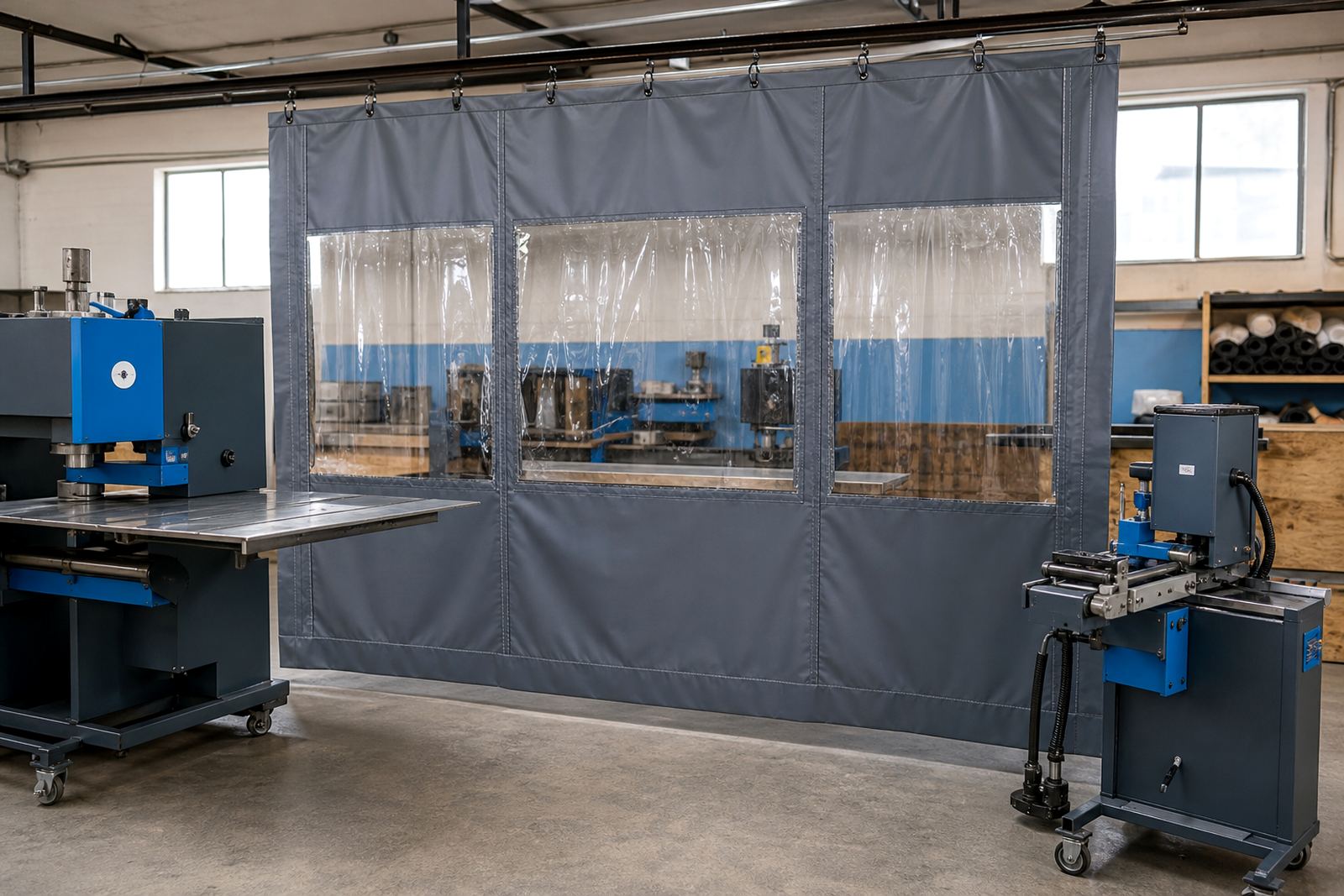
The job came from a transport workshop in Durban that repairs and finishes side curtains for vehicles moving around KwaZulu-Natal and beyond. Their team needed neater seam lines on clear and coloured curtain panels, plus a more controlled finish on hems, keder edges and eyelet positions so the curtains would sit properly once fitted.
The main concern was consistency. In a coastal city, PVC-coated fabrics can take on extra moisture, and if the welding settings drift the join can look uneven or pull open at the edges over time. The workshop wanted a cleaner result across repeated sections, not only on one sample piece. They also needed a setup that matched the pace of a working curtain bay, where panels are handled, repositioned and checked many times during a shift.
- Clear PVC window panels and coloured curtain sections
- Welds for straight seams, hems and overlap joins
- Edge detail for keder and eyelet work
- Practical handling for a busy Durban workshop
What Was Supplied To The Line
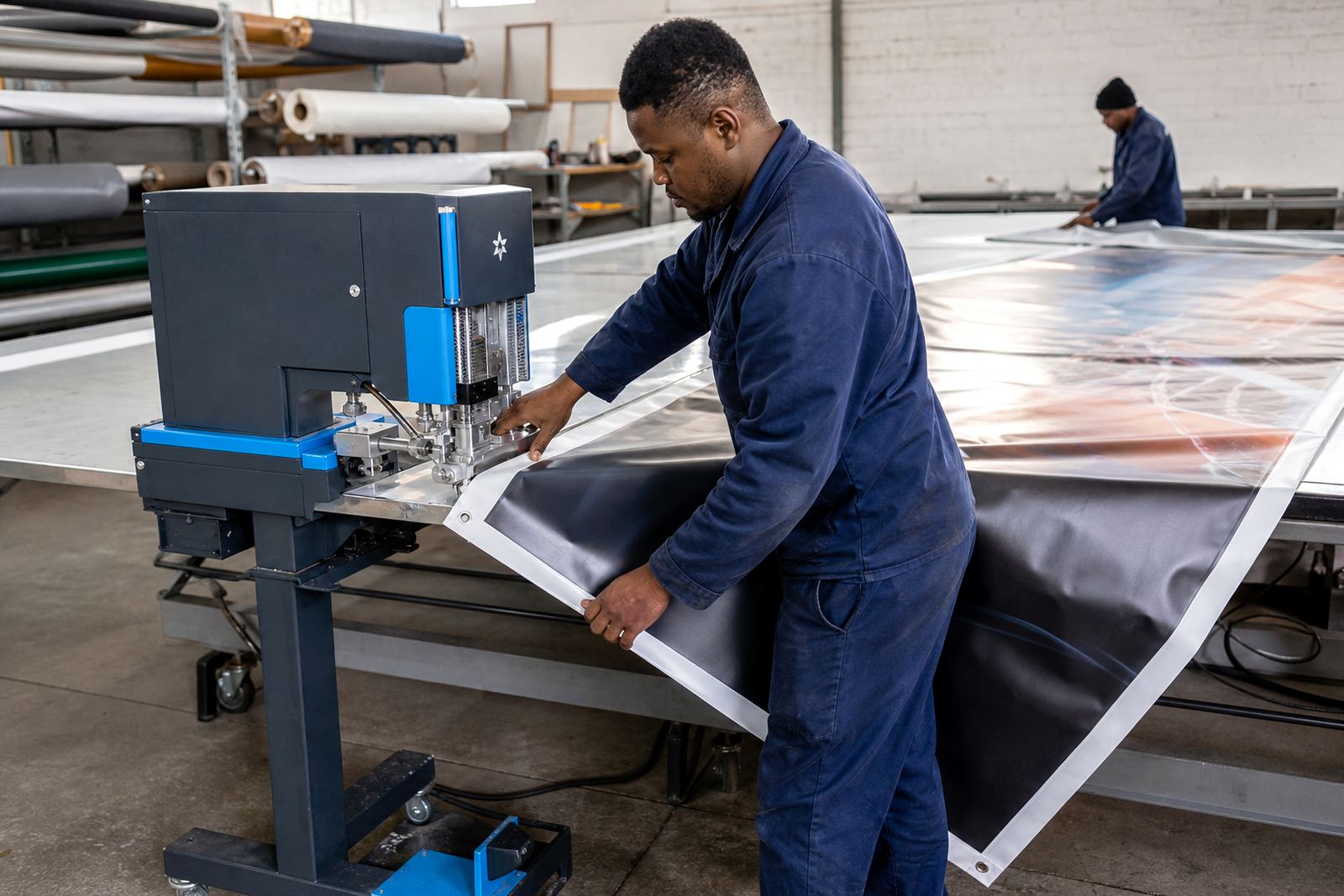
We supplied and set up a high-frequency welders for the PVC-coated curtain work, alongside hot-air finishing where a flexible join was needed on selected sections. The machine set was matched to the thickness and stiffness of the material on hand, including transparent window pieces and heavier coloured curtain fabric. The goal was not a flashy finish, only a more reliable one that the workshop could repeat on the next curtain set without fighting the material.
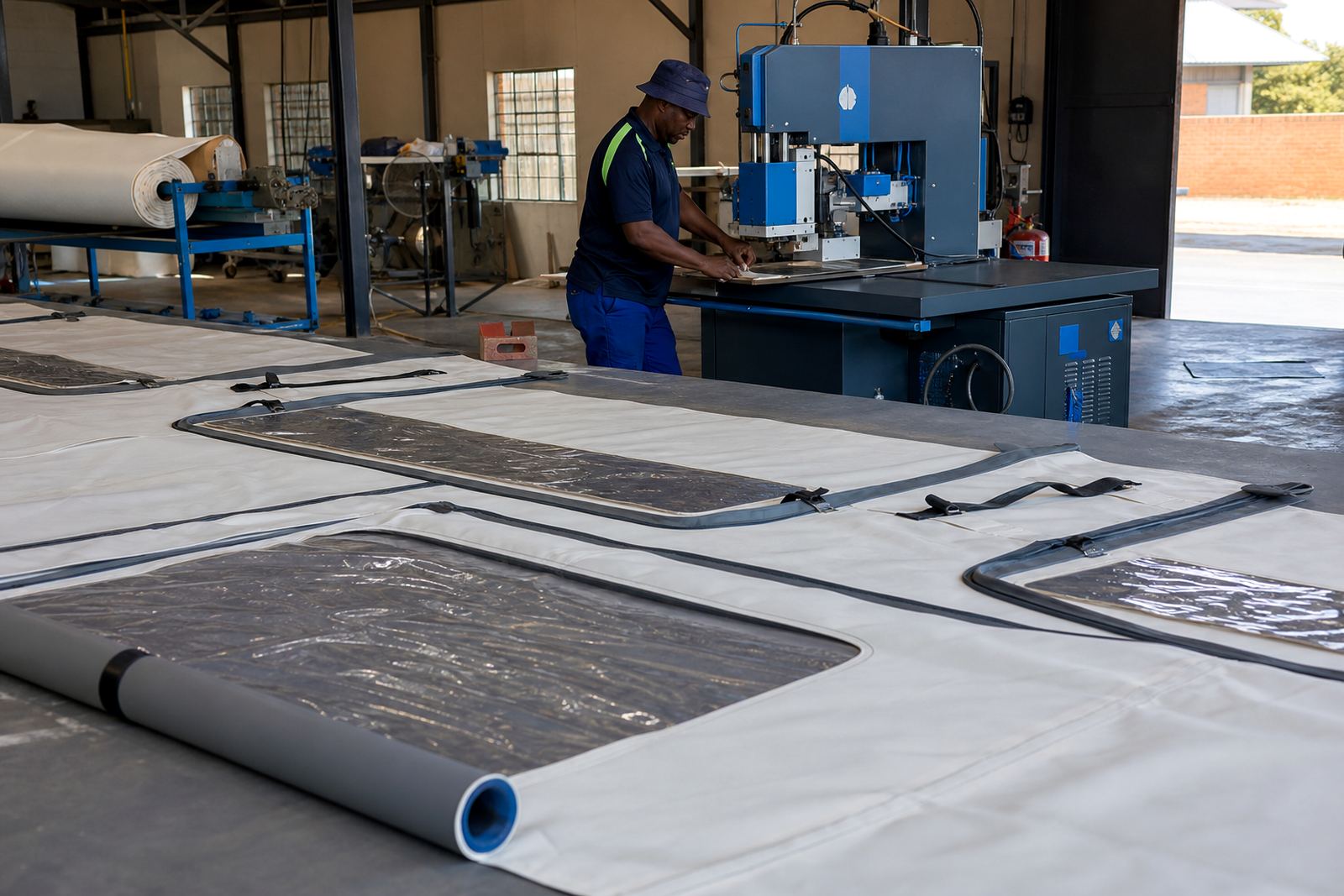
For the curtain edges, we covered the common shop-floor details: straight lap seams, folded hems, reinforced corners, keder attachment points and eyelet-ready areas. Where the workshop needed a wider, flatter bond, we used HF welding. Where a shaped or localised join suited the work better, hot-air methods were used to keep control over the edge and reduce puckering. The team could then move between panel types without changing the whole process every time.
- High-frequency welding for straight, repeatable joins
- Hot-air work for shaped sections and edge finishing
- Seam testing on sample pieces before full production
- Tooling alignment for cleaner pressure across the width
Operator Safety And Machine Setup On Site
During installation, the workshop floor was checked for practical placement, operator reach and safe movement around the weld station. With curtain work, the machine often sits in a working bay where fabric is lifted, aligned and fed through by hand, so clear space around the table and foot control matters. We also checked that the team had a sensible routine for heat, clamping pressure and material handling, especially when working with larger curtain lengths.
The setup included operator safety notes for hot surfaces, moving parts and pinch points, plus a basic servicing routine so the machine stays in shape under daily use. That meant checking the electrodes, confirming roller condition, keeping the guides clean and watching for uneven pressure marks on the seam. In a Durban workshop, humidity and dust from the road can both affect finish quality, so regular cleaning and inspection are part of the job, not an afterthought.
- Operator briefing on safe loading and seam control
- Pressure checks for even weld width
- Electrode and roller inspection points
- Routine cleaning for coastal workshop conditions
Timing From First Setup To Production Checks
The project ran over three weeks from first inspection to final production checks. The first week covered the brief, material samples and the machine layout. In week two we adjusted settings for clear and coloured PVC sections, then tested straight seams, hem folds and keder edges. The final week was used for seam testing, operator practice and a short service check to make sure the machine held its settings during repeated use.
The workshop did not need a long process. What it needed was a controlled changeover from old, uneven joins to a process that could be repeated on different curtain sizes. That was the main point of the exercise: fewer stop-start problems, cleaner seam lines and less rework at the end of the table.
- Week 1: survey, samples and layout
- Week 2: welding setup and seam trials
- Week 3: operator practice and final checks
Results On The Curtain Bay Floor
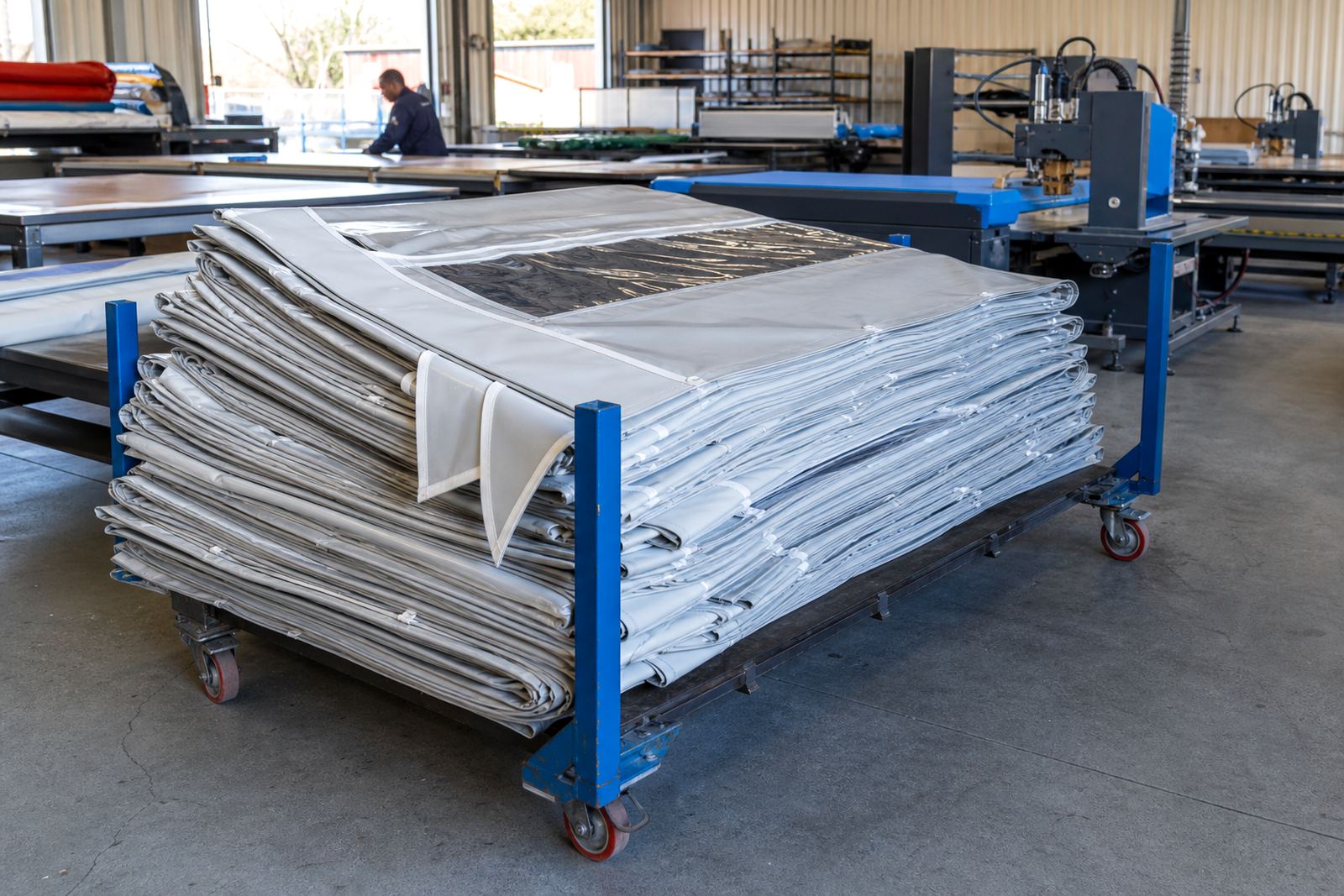
After the setup, the workshop had cleaner joins on both clear and coloured side curtain sections. The hems sat flatter, the keder detail was easier to control and the eyelet positions were more consistent from one panel to the next. The team also reported less time spent trimming rough edges and correcting joins that were wandering off line.
For a transport workshop, that sort of result matters because side curtains are not finished in a showroom. They are folded, moved, tensioned and put back into service in all sorts of weather. A neat weld is only useful if it keeps its shape and does not make the curtain harder to fit. This job gave the team a better working base for repeat curtain repairs and replacements.
- Cleaner seam lines on clear and coloured panels
- Flatter hems and more even edge finishing
- Better control on keder and eyelet work
- Less rework during final fitting
What We Would Do On A Similar Durban Job
On a similar Durban side curtain project, we would again start with sample pieces from the actual fabric in use, then set the machine around the seam type before moving into full panels. That makes a difference when the workshop handles mixed curtain stock, because clear sections and coloured sections do not always behave the same under heat and pressure. We would also keep seam testing in the process, not only at the end, so any drift in finish is caught early.
We would keep the same practical approach for servicing too, with attention to electrodes, rollers, alignment and operator checks. In a coastal town like Durban, equipment that is left unchecked can lose consistency faster than people expect. A short servicing routine and a proper training pass are usually enough to keep the line steady, provided they are done without skipping steps.
- Start with samples from the actual material batch
- Set seam type before full-length production
- Test during the job, not only after it
- Keep a simple servicing routine in place
Key facts
| Project type | Side curtain welding support for a transport workshop |
|---|---|
| Location | Durban, KwaZulu-Natal |
| Materials | PVC-coated clear and coloured curtain sections |
| Join types | Straight seams, hems, keder edges and eyelet work |
| Equipment | High-frequency welding with hot-air finishing where needed |
| Timeline | 3 weeks from inspection to final checks |