Where inflatable parts need cleaner seam control
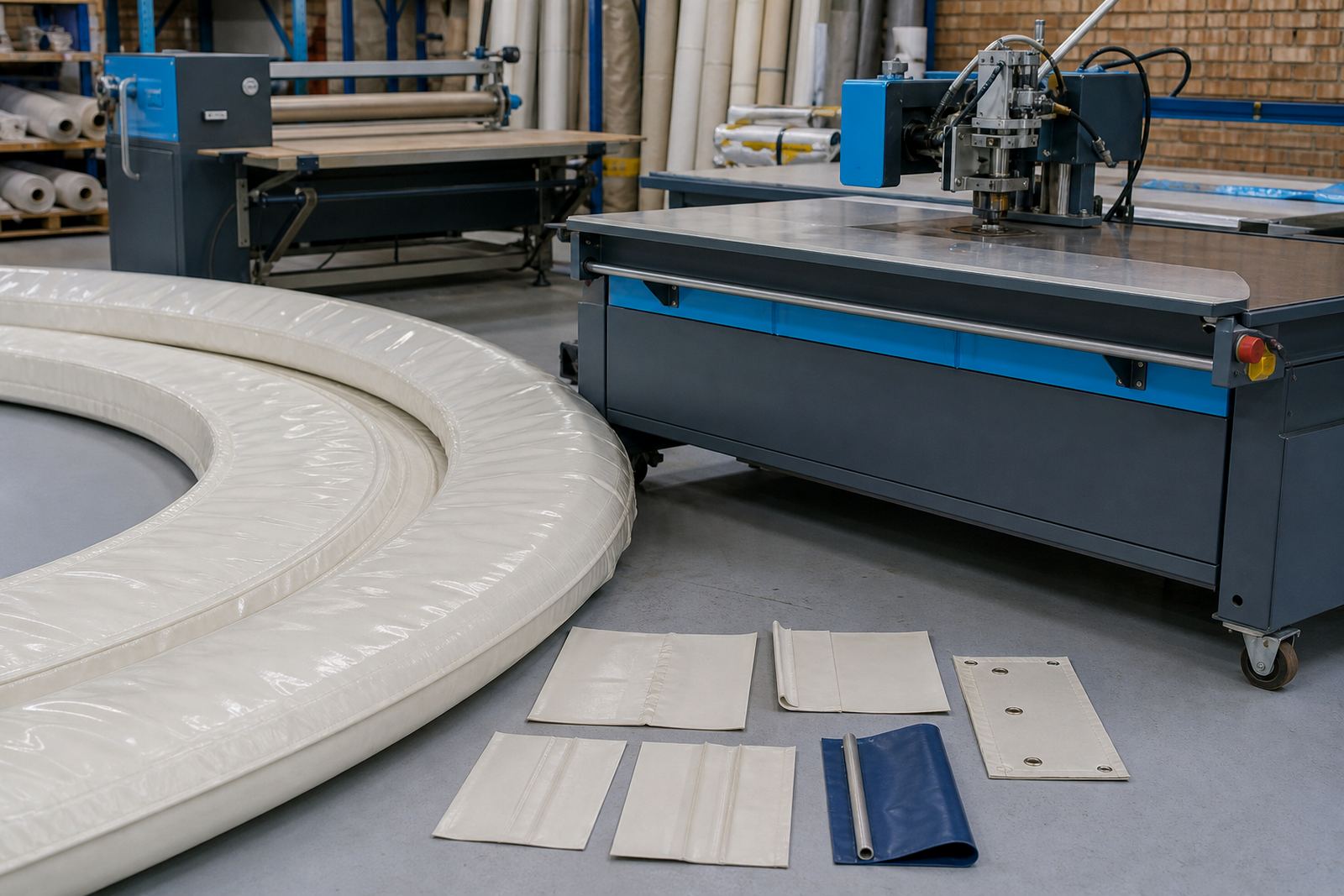
Inflatable components are unforgiving around corners, valve patches and overlaps because any poor seam layout shows up in use. On air chambers, floats, sealed covers and shaped sections, the welding method has to suit the panel size, the fabric weight and the access available on the table.
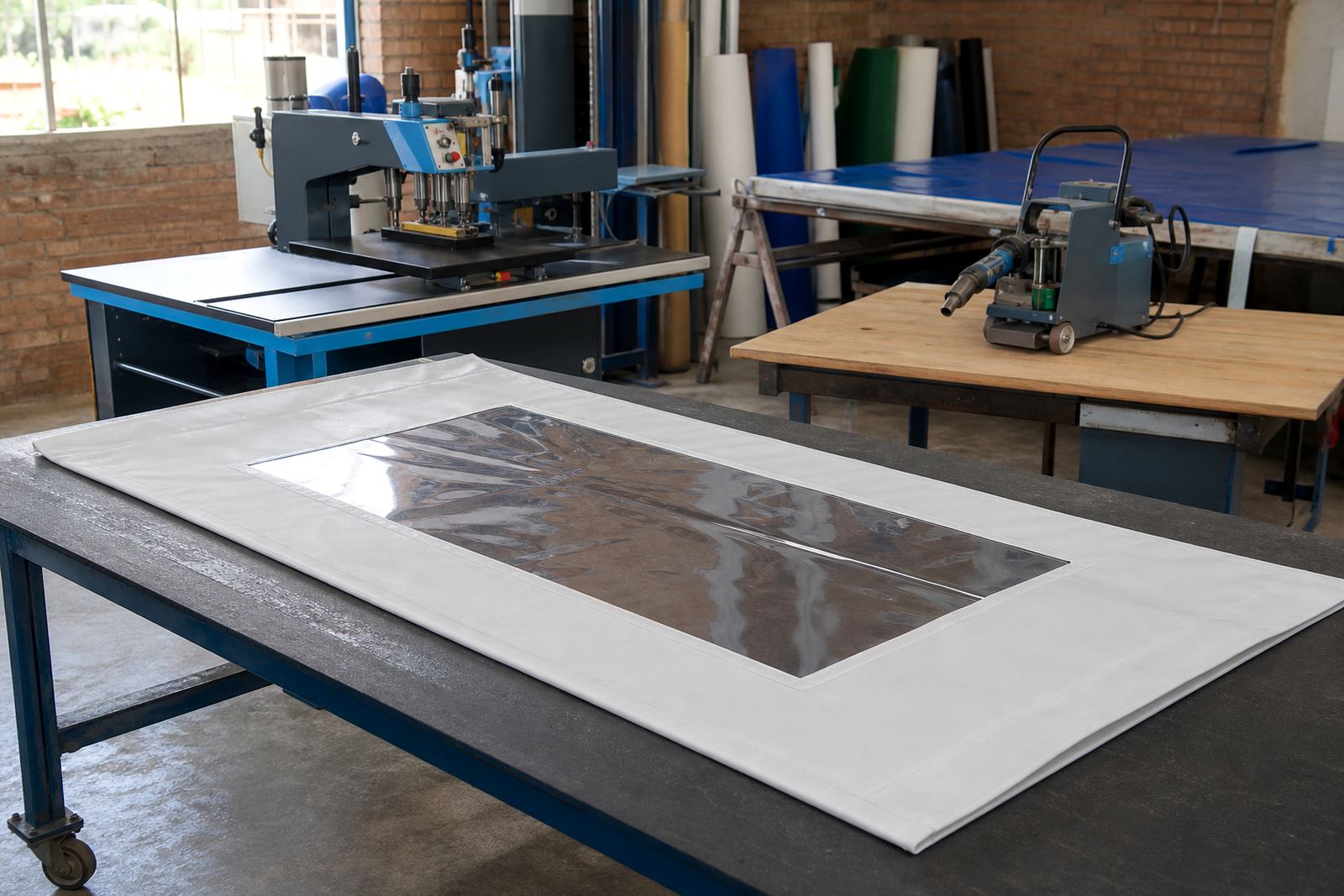
High-frequency welding is often used where a strong, neat seam is needed on compatible PVC-coated materials. Hot-air and hot-wedge welding are more common where wider panels, hems or repair seams must be joined with steady heat control. For inflatable parts, the real work is in keeping the overlap even and allowing enough material around stress points so the seam does not pull thin at the edges.
Machine set-up for valves, overlaps and tricky corners
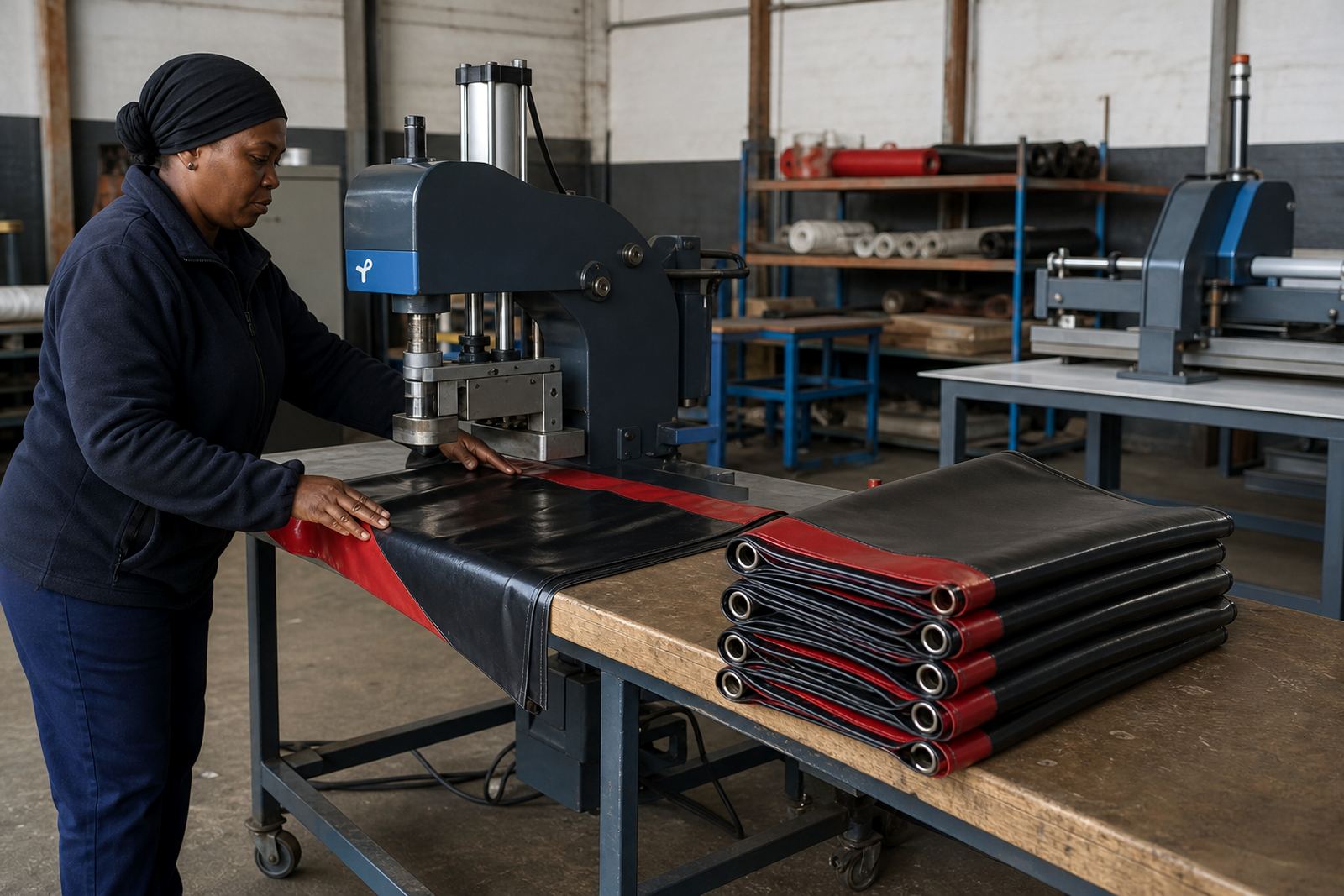
A typical set-up for inflatable parts includes a high-frequency press or a hot-air or hot-wedge welder, cutting and marking tools, jigs for repeated shapes, and basic test equipment for checking seam quality. Where valve zones are involved, operators need a clean layout so the weld path stays clear and the valve body sits flat without distortion. If the seam is too close to the fitting, the finished part can pucker and make sealing harder.
- High-frequency welding for shaped PVC joints and repeat panels
- Hot-air welding for repairs, hems and access-heavy sections
- Hot-wedge welding for longer straight seams and production runs
- Cutters, guides, electrodes and alignment tools for consistent overlap
- Testing items for checking seam hold before the part leaves the floor
In Durban, Cape Town and other coastal areas, humidity can affect storage and handling of PVC-coated material, so dry stacking and clean cutting surfaces matter. Dirt, moisture and surface dust are common causes of weak welds on inflatable work.
Layout advice before any welding starts
Good planning begins with the finished shape, not the first weld. Inflatable parts often need marked centre lines, valve positions, hem allowances and a clear path for seams that will carry repeated pressure. If the layout is rushed, the operator ends up forcing the material to fit instead of letting the weld follow the shape.
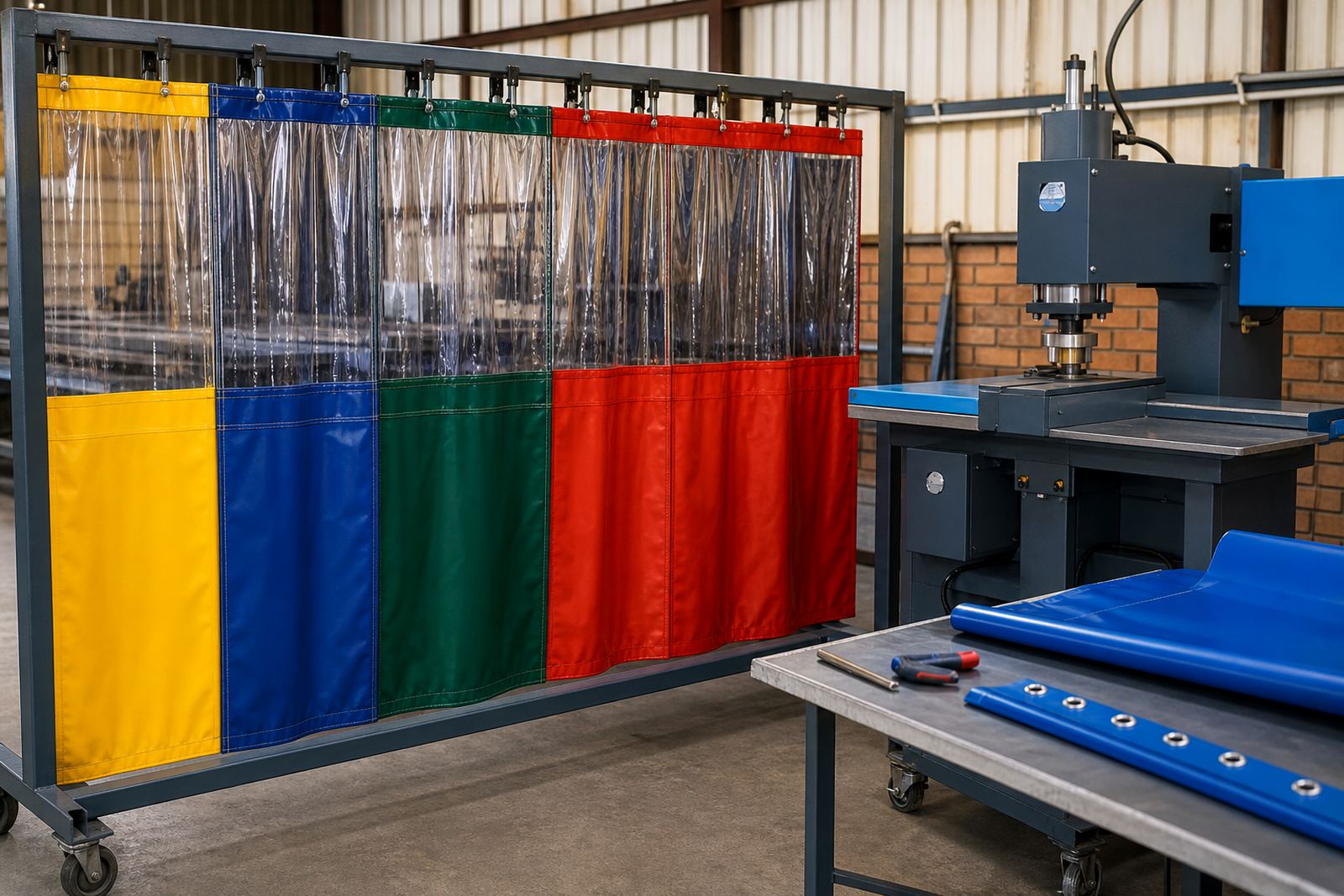
For banner and tarpaulin makers moving into inflatable components, it helps to work from a flat pattern and allow room for corner radii, reinforcements and access for sealing tools. Keder, eyelets and attachment points should be planned early, not added as an afterthought. A neat weld line is only useful if the part can also be fitted, hung or inflated without strain.
- Leave enough overlap for the chosen weld method
- Keep valve zones away from sharp fold points
- Plan reinforcement patches before final trimming
- Allow access for seam testing and later servicing
- Mark finished sizes with shrinkage and edge trim in mind
Common mistakes that show up on inflatable work
The most common faults are not dramatic, but they do cost time. Uneven overlap, trapped dust, incorrect temperature, and poor electrode or roller condition can all leave a weak seam. On hot-air and hot-wedge jobs, operators sometimes chase speed and lose control over bead formation. On high-frequency work, the material can scorch or shift if the tooling is not aligned properly.
Another issue is overloading the seam with fittings. Eyelets, webbing tabs and valve plates need proper spacing so the load is shared across the part. If the fitting sits too close to a corner or a weld intersection, the fabric tears before the seam gives. That is one of the reasons testing on a sample strip is worth the time on any production run.
Budget ranges for production and repair rooms
Costs depend on the size of the machine, the type of welding needed and whether the job is small repair work or a full production line. Small hot-air units for repair benches can start at a lower entry level, while larger hot-wedge or high-frequency systems for repeat production sit in a higher bracket. Tooling, spare parts and servicing should be included in the budget from the start.
As a working guide, a modest repair set-up may sit in the tens of thousands of Rand, while production-grade equipment with jigs, safety guarding and fit-for-purpose tooling can move into the hundreds of thousands. If the room needs installation, operator training, testing and service planning, that should also be budgeted so the machine is ready for real work, not just delivery.
For businesses in Johannesburg, Pretoria, Germiston, Boksburg and Benoni, site conditions often decide the final figure. Floor space, extractor needs, material handling and mains stability all affect what gets specified and what gets left out.
Servicing that keeps seams consistent
Inflatable production depends on repeatable settings. That means preventive servicing, roller replacement, electrode refurbishment, tooling alignment and seam testing all have a place in the maintenance plan. A machine that drifts out of alignment may still run, but the seam quality changes and the waste builds up quietly.
PVCWelder supports machine installation, commissioning, operator training, fault finding, site callouts, parts supply and service plans from Germiston, Ekurhuleni to workshops across South Africa. If a line is making inflatable parts for events, signage or industrial use, the aim is steady output and safe operation for the crew.
- Keep tooling clean and matched to the material thickness
- Check guards, heat paths and moving parts before each shift
- Replace worn rollers before they mark the seam edge
- Test sample welds after service or setup changes
- Train operators on handling, heat control and safe loading